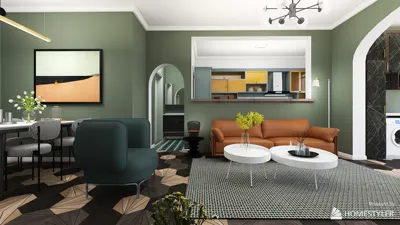


A client once requested that I install floating shelves "everywhere" in a small bathroom, and I almost ended up creating a chaotic shelf maze that obstructed the towel rail. This experience taught me quickly that floating shelves can be a game changer for compact bathrooms, as long as you carefully manage scale, materials, and placement. Here, I’m sharing five effective ideas that not only saved my projects but also preserved my clients’ towels. Plus, you'll find styling tips and common pitfalls to avoid. If you're looking for an instant mock-up, explore this example of floating shelf styling to visualize how things come together seamlessly with the help of Homestyler.
1. Narrow staggered shelves for eye-catching heights
I utilize narrow, staggered floating shelves when the bathroom is taller but not very wide. These shelves help draw the eye upwards, keep the floor clear, and promote visual interest—ideal for housing plants, small jars, or that scented candle you intend to use. However, precise spacing is crucial to prevent a cluttered look; using a tape measure along with a simple mock-up can save hours.
save pin
2. Combining shelf and towel rail
Integrating a shelf with a towel rail beneath is my go-to solution for clients who desire functionality without the hassle of additional hardware. This method is efficient for hand towels and ensures counters remain tidy. Installation requires thoughtful planning as the rail must manage weight in a specific way, but this two-in-one solution feels custom-made without breaking the bank.
save pin
3. Recessed floating shelf niches for the shower area
Where shower walls allow, I advise using recessed floating niches. They protect your items from moisture while maintaining a sleek appearance. These recesses look clean when tiled and cleverly display shampoo bottles. When planning the layout, consider using a virtual design tool like Homestyler to assess reach and sightlines; a thoughtful shelf arrangement can reveal if a niche placement conflicts with existing fixtures.
save pin
4. Warm wood with a waterproof finish for a spa feel
I frequently select warm, sealed wood for shelves because it adds a touch of coziness to tile-heavy bathrooms. Wood creates a soothing, spa-like vibe and pairs beautifully with matte black or brass brackets. However, remember that maintenance is key: well-sealed wood can resist moisture, but it will require re-sealing every few years in high-humidity environments.
save pin
5. Establish a cohesive styling approach
My final piece of advice is to focus on curation: choose two materials and three objects for each shelf. Overloading shelves can create a messy appearance; carefully grouped items give off a boutique-like feeling. To avoid surprises when drilling, I recommend using rendering previews with Homestyler, allowing clients to visualize shelf placements accurately and eliminating unexpected holes in the wall.
save pin
Tips 1:
Budget wise, floating shelves can be economical if you opt for MDF with veneer, while solid wood options with custom brackets can be pricier. A practical tip is to mount heavier items closer to the studs and keep decor lightweight. If you’re in a rental, consider tension-mounted or adhesive-backed short ledges to prevent permanent wall damage.
save pin
FAQ
Q1: Are floating shelves suitable for wet bathrooms?
Absolutely, as long as you utilize moisture-resistant materials and secure them properly either into studs or with adequate anchors. Steer clear of untreated wood and ensure exposed surfaces are sealed.
Q2: What is the ideal depth for bathroom floating shelves?
Typically, a depth of 8–10 inches works best for most toiletries and small decorative items without protruding excessively. Narrower shelves (around 6 inches) are practical above toilets or sinks for housing smaller items.
Q3: What weight can floating shelves support?
The load capacity is determined by the type of brackets and anchors used; many reliable wall-mounted systems can safely hold between 20-50 lbs if anchored into studs. For heavier items, stick with stud mounting or robust metal brackets.
Q4: Can I install floating shelves on my own?
Yes, if you are comfortable using a stud finder, level, and drill. For tile walls or complex installations, I recommend hiring a professional to avoid damaging tiles or missing studs.
Q5: Which materials tolerate bathroom humidity best?
Marine plywood, sealed hardwoods, and powder-coated metals yield excellent performance. For budget-friendly choices, moisture-resistant MDF with a good sealing can suffice in well-ventilated bathrooms.
Q6: Are there any guidelines for arranging items on shelving?
Aim for varying heights, repeat one key material, and limit shelves to three types of objects. Ensure there's enough negative space; it’s just as crucial as the objects displayed.
Q7: How high should shelves be positioned above a sink?
Position them so that the lowest shelf is 12-15 inches above the sink backsplash to avoid splashes and to enhance usability. Don’t forget to measure your mirror and light fixtures before finalizing the location.
Q8: Are there professional benchmarks for bathroom shelf placement?
Indeed, organizations such as the National Kitchen & Bath Association (NKBA) provide guidelines for recommended clearances and ergonomic standards; refer to NKBA recommendations for precise measurements (source: https://www.nkba.org).
save pin
Discover the joy of home design with Homestyler! This user-friendly online platform offers a robust design tool, stunning 3D renderings, and a wealth of design projects and video tutorials. Transform your ideas into reality, whether you're a beginner or a seasoned designer!
지금 무료로 디자인하세요
































