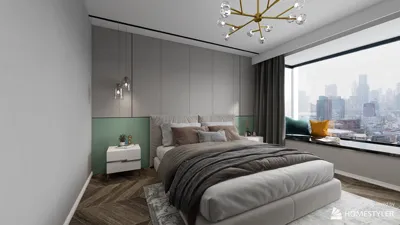


In recent years, the trend toward open floor plans and minimalistic designs has surged, yet long and narrow living rooms continue to be a challenge for many homeowners. However, I firmly believe that even small or awkward spaces can ignite profound creativity. This article presents 10 design strategies for long and narrow living rooms, drawing from my renovation experiences and expert insights—helping you utilize every inch efficiently, with the assistance of tools like Homestyler.
1. Furniture Arrangement with a Twist
My Perspective: During one of my client projects, repositioning the sofa away from the wall created an immediate sense of intimacy and harmony in the room. This unexpected shift can be incredibly effective.
Advantages: Floating furniture arrangements delineate pathways and enhance spatial zoning in elongated living rooms. The American Society of Interior Designers (ASID) notes that effective zoning can amplify perceived spaciousness by as much as 20%.
Disadvantages: Sufficient visual space is essential; over-furnishing the center may result in a cramped feel.
Suggestion: Incorporate a narrow console table behind the sofa to provide additional storage or decorative space.
2. Zoned Layouts for Functionality
My Insight: In my past apartment, I transformed one side of my long living room into a cozy reading nook and the other into a TV lounge, effectively creating the atmosphere of two distinct areas in one.
Pros: Zoning enhances versatility—ideal for entertaining as well as quiet relaxation. This is where a dual-purpose seating arrangement proves beneficial in visualizing balance.
Cons: Without clear visual dividers, zones may overlap excessively and appear cluttered.
Tip: Consider using a large area rug to visually anchor each zone.
3. Creating Balanced Focal Points
My Experience: A client once had a fireplace at one end and desired equal weight on the opposite side. We incorporated built-in bookshelves, which significantly altered the room's perception.
Benefits: Symmetry delivers a sense of visual calm, particularly in narrow layouts. It guides the eye evenly, avoiding the typical ‘corridor’ effect.
Drawback: Excessive symmetry can impart a too formal or rigid atmosphere.
Cost Consideration: Customized cabinetry can be costly; however, freestanding shelves provide a sound alternative.
4. Utilizing Light-Reflective Materials
My Experience: In a loft renovation, using mirrors and glossy finishes reflected light beautifully, creating an airy feeling within the narrow space.
Advantages: Reflective materials amplify natural light, which is crucial in compact or elongated areas. A Houzz survey indicated that 64% of homeowners found mirrors effective for brightening spaces.
Disadvantages: A surplus of glossy surfaces can create a cold or sterile ambiance.
Tip: Balance reflective pieces with warm textures for a comforting atmosphere.
5. Embracing L-Shaped Sectionals
My Recommendation: I frequently suggest L-shaped sectionals, as they can effectively define seating areas without obstructing walkways. In a recent project, they transformed a narrow room into a cozy retreat.
Pros: An L-shaped layout establishes natural boundaries and optimizes seating capacity, akin to the benefits of an L-shaped kitchen design in terms of functionality.
Cons: Accurate measurement is vital; an oversized sectional can consume the room's space.
Tip: Opt for low-profile designs to prevent overwhelming the vertical dimensions of the room.
6. Focusing on Vertical Space
My Insights: Incorporating tall shelves and vertical artwork invites the eye upward and mitigates the ‘bowling alley’ effect in long spaces.
Benefits: This approach enhances the sense of volume beyond just the floor area and works especially well in older homes with height distinction.
Disadvantages: In spaces with very low ceilings, vertical elements may create an oppressive environment.
Tip: Use high shelves for displaying plants, adding life and texture to the space.
7. Uniform Flooring Solutions
My Experience: In a renovation last year, replacing a mismatched array of rugs with a seamless wooden floor achieved an impressive unification of the area.
Pros: Consistent flooring fosters visual cohesion in long rooms, minimizing segmentation. Light-colored flooring can contribute to a perception of width.
Cons: The process of replacing existing flooring can be disruptive and expensive.
Tip: If new flooring is not feasible, a large rug can bridge both seating areas effectively.
8. Layered Lighting Designs
My Take: I once installed wall sconces along the length of a client's long living room, diminishing the ‘tunnel’ effect and enhancing the space's warmth.
Advantages: Implementing ambient, task, and accent lighting allows for mood and function control, a factor identified by ASID as critical in perceived comfort.
Disadvantages: An increased number of fixtures can lead to more wiring and potentially elevated installation costs.
Tip: Consider plug-in sconces if hardwiring poses challenges.
9. The Impact of Color Blocking
My Experience: Painting the far wall in a striking color can visually shorten the room while injecting depth. I applied this technique in a family’s home, and it significantly enhanced the space's balance.
Pros: Color blocking imbues personality and can redefine spatial proportions, particularly in modern settings.
Cons: Bold shades may dominate if not artfully counterbalanced with neutral tones.
Tip: Before committing to a paint job, use 3D visual planning methods like Homestyler to test your color choices and ensure compatibility with your space.
10. Installing Custom Storage Solutions
My Experience: Strategically placing custom storage along one wall can transform a challenging narrow space into both a functional and stylish area. I designed floor-to-ceiling cabinets capable of accommodating a TV, books, and decorative items.
Benefits: This maximizes storage while conserving floor space, ideal for elongated settings. Minimizing clutter helps the room feel airier.
Disadvantages: Permanent installations limit future modifications to the layout.
Cost Insight: While built-in units can be an investment, flat-pack alternatives can be customized for a more budget-friendly solution.
Conclusion
Designing a long and narrow living room is not about facing limitations—it’s about employing intelligent solutions to enhance functionality. As interior expert Nate Berkus aptly stated, "Your home should tell the story of who you are." Which of these 10 strategies would you be keen to implement in your own space?
FAQ
1. What’s the best way to arrange furniture in a long narrow living room?
Implement zoning strategies, floating arrangements, and area rugs to establish distinct sections without obstructing natural pathways.
2. What colors best suit a long narrow living room?
Light neutral colors promote visual expansion, while an accent wall featuring a deeper hue can add depth and balance visual proportions.
3. Can mirrors enhance the appearance of a narrow living room?
Absolutely—mirrors and glossy finishes reflect light, making small rooms seem up to 30% larger, based on Houzz research.
4. How can I create a cozy atmosphere in my long living room?
Incorporate layered lighting, apply warm textures, and break the space into smaller functional zones with rugs or thoughtful furniture placement.
5. Is an L-shaped sofa suitable for a narrow space?
Yes, provided it’s appropriately sized; an L-shape effectively delineates seating areas and boosts capacity without cluttering the room.
6. Is color blocking a viable option in small areas?
It can be an effective strategy—testing color choices with a 3D floor planning tool like Homestyler beforehand ensures harmony with light and layout.
7. How can I increase storage in a narrow living room?
Consider built-in wall units, vertical shelving, and sofa-back consoles as excellent methods to maximize storage without compromising functional space.
8. What lighting arrangement is best for long rooms?
Employing layered lighting and strategically placing fixtures along the room’s length mitigates the tunnel effect, enhancing overall comfort, as suggested by ASID guidelines.
Homestyler is your go-to online home design platform, perfect for transforming your creative ideas into reality. With its user-friendly design tool, stunning 3D renderings, and a wealth of design projects and video tutorials, you can effortlessly create and visualize your dream spaces!
立即免费设计
































