

I once worked with a client who envisioned their studio as a Parisian wine bar — a 300-square-foot space that also housed a golden retriever with a penchant for chewing on anything charcoal. Through some late-night touch-ups and plenty of experimentation, I discovered how to utilize depth without overwhelming the space. To visualize the wall I suggested, consider sketching or using a basic planner to observe how light interacts with darker shades: picture the wall.
1. Matte charcoal accent — cozy yet contemporary
A single matte charcoal wall behind a bed or sofa can add an element of drama without the need for excessive decorations. This look immediately enhances warmth and serves as a perfect backdrop for brass or light wood accents. However, the downside is that matte finishes are prone to displaying scuffs, so it's wise to incorporate protective measures in areas with high foot traffic.
save pin
2. Two-tone split — achieving light and depth simultaneously
By painting the lower third of a wall charcoal and the upper two-thirds a warm off-white, you can create striking contrast and a sense of height in one go. This approach is economical since it focuses on a part of the room rather than the whole, making small spaces feel intentionally crafted. Just ensure your tape lines are precise to avoid visible mistakes.
save pin
3. Enhance with textures — incorporating panels, plaster, and fabrics
Charcoal is visually captivating when mixed with various textures: consider wood slats, plaster finishes, or woven wall hangings. These textures help break up the depth and prevent the charcoal from appearing too flat; clients frequently express concerns that it may feel oppressive, but textured surfaces reflect light differently, adding inviting warmth.
save pin
4. Charcoal in the kitchen — moody cabinets paired with smart contrasts
Employing charcoal for lower kitchen cabinets or a singular island can anchor an open-concept kitchen and conceal wear more effectively than lighter colors. It harmonizes beautifully with marble or warm brass elements. If you intend to design a kitchen layout featuring charcoal, it's best to accurately map out cabinet placements and sightlines in advance to avoid overspending later: plan a charcoal kitchen.
save pin
5. Dramatic small bathrooms — harmonizing tile and paint
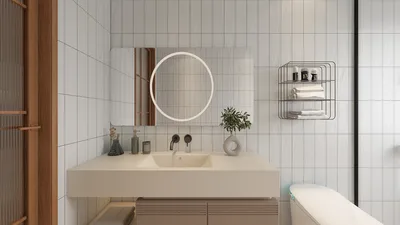
Small bathrooms provide a great opportunity to experiment with bold charcoal tones: consider a feature wall in charcoal above the vanity or using charcoal grout between bright tiles for a striking effect. This approach is cost-effective since it focuses on a single wall. However, lighting is crucial — add warm task lighting to ensure faces don’t appear washed out.
save pin
Final tips from my toolbox
Always test paint swatches at various times throughout the day and on different walls; a swatch that appears charcoal in the afternoon sun might seem nearly black under evening light. For trims, I usually recommend a slightly lighter or glossier finish so moldings stand out distinctively against the wall. If unsure, create a 3D view to assess proportions and reflections before finalizing your choices: try using a 3D render of your layout, as tools like Homestyler can help visualize furniture placement against darker paint.
save pin
FAQ
Q1: Will using charcoal wall paint cause my small room to feel smaller?
A: When applied correctly, dark paint can give the illusion of depth rather than shrinkage. By strategically employing lighting coupled with one or two lighter surfaces, you can achieve a balanced aesthetic in the room.
Q2: What is the best finish for charcoal walls?
A: Matte or low-sheen finishes offer a modern, soft appearance, while satin finishes are more practical for kitchens and bathrooms due to ease of cleaning. Choose a more durable finish for areas prone to splashes or fingerprints.
Q3: How can I identify the ideal shade of charcoal?
A: It's best to try several swatches on different walls, observing them at both morning and night; the undertones can widely range — some may appear blue, others brown. I generally select three options and live with each for a week before making my final choice.
Q4: Is it possible to combine charcoal with bright colors?
A: Definitely — charcoal serves as a neutral backdrop that can make vibrant colors stand out. Small accents like cushions or artwork can introduce color without overwhelming the serene foundation.
Q5: Is it difficult to maintain charcoal paint?
A: Charcoal tends to conceal marks better than lighter paints but can be more visible in terms of dust and lint. Opt for a wipeable finish in kitchens and high-traffic areas, and ensure regular light maintenance.
Q6: What type of lighting complements charcoal walls?
A: Warm, layered lighting (including ambient, task, and accent) prevents charcoal walls from appearing flat. Utilizing dimmers allows adjustment of the mood — my clients often appreciate the versatile ambiance.
Q7: Are there health or VOC concerns linked to dark paints?
A: The presence of VOCs is contingent upon the paint brand rather than the hue. To ensure better air quality indoors, especially in smaller spaces, opt for low-VOC or zero-VOC formulas.
Q8: Where can I find more information about color psychology and painting options?
A: For reliable insights on pigments and finishes, refer to Benjamin Moore’s extensive color resources, which provide practical guidance (see: https://www.benjaminmoore.com/).
save pin
If you're looking to transform your home effortlessly, Homestyler is the ideal platform for you. With its user-friendly online design tool, stunning 3D renderings, and a wealth of inspiring design projects and video tutorials, you'll unleash your creativity and realize your vision in no time!
Progetta ora GRATIS
































