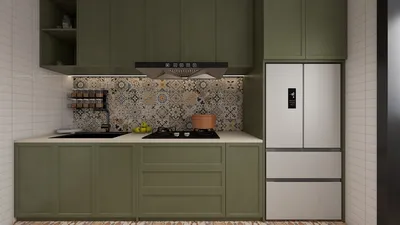


I once had a client requesting neon coral brick to perfectly match their tulips. However, after utilizing 3D renders, we opted for a softer coral, making the decision clear and ensuring a stress-free moving day without any embarrassment.
Experiencing small homes and older bricks showcases how a limited space can inspire grand ideas. I’ve come to view brick as a textural element rather than something to conceal.
Here, I present five paint and finish ideas I’ve implemented on actual homes, detailing what I appreciate about each method and potential pitfalls to be aware of. These are quick, actionable suggestions you can experiment with using samples as soon as tomorrow.
1. Subtle Whitewash for an Enduring Aesthetic
I frequently recommend a diluted whitewash when homeowners seek brightness without compromising the brick's character. This technique lightens the exterior while allowing mortar lines to show, creating a fresh but historically respectful facade.
It's cost-effective and forgiving for uneven surfaces but necessitates thorough cleaning and one or two topcoats for longevity. I always suggest testing a 2x2-foot sample in both sun and shade before committing to the final choice.
save pin
2. Two-Tone Trim for Visual Contrast
Applying a subdued neutral to the brick while using a striking contrasting color on the trim adds modern depth. For a small bungalow, I painted the brick warm gray and the trim deep charcoal, framing the windows beautifully.
This method highlights architectural features, but precise tape lines and quality brushes are critical; careless edges can ruin the overall effect.
save pin
3. Bold Monochrome for a Contemporary Look
In cases when clients desire a dramatic appearance, I’ve painted entire facades in a single bold hue, like deep navy or charcoal black. This approach simplifies intricate exteriors and offers a clean look from the street.
While monochrome can be striking, it requires careful surface preparation due to its unforgiving nature in sunlight and on textured brick. If the proportions seem off, I often sketch elevations or create quick floor plans to visualize balance before proceeding with paint.
save pin
4. Natural Stain and Seal for Texture Preservation
Not all bricks need to be covered with opaque paint — using mineral stains and transparent sealers can enhance the natural color and protect the surface without concealing its texture. Many clients with historic properties prefer this method to maintain their home's authenticity.
Stains require less visual maintenance but remember that color choices are less reversible than paint. Expect varying absorption across different bricks, making test patches essential.
save pin
5. Accent Features for a Burst of Character
If you’re not ready to repaint the entire house, consider small changes: a vibrant door, eye-catching shutters, or painted window sills can significantly alter the ambiance. I once matched heritage red shingles with a teal door, resulting in a cheerful, welcoming appearance without being overwhelming.
This inexpensive approach is impactful and reversible. For clients seeking inspiration, I sometimes turn to Homestyler to suggest vibrant color combinations, streamlining decision-making when time or patience is limited.
save pin
FAQ
Q: Is painting brick advisable?
A: Yes, it's possible to paint many bricks, but preparation is crucial—cleaning, repairs, and priming are essential. Using breathable paints for masonry is recommended to avoid moisture entrapment.
Q: What steps should I take to prepare brick for painting?
A: Remove efflorescence, power-wash gently, fix any crumbling mortar, and apply a masonry primer. Skipping these steps can significantly shorten the lifespan of the paint.
Q: What paint type is best suited for brick?
A: Use acrylic latex or masonry paint specifically designed for exterior brick; these types manage temperature fluctuations well and adhere effectively to the porous surface.
Q: How long does exterior brick paint generally last?
A: With proper preparation and quality paint, expect a lifespan of 8 to 15 years before a major refresh, influenced by weather exposure and surface porosity.
Q: Can I safely remove paint from brick later on?
A: Removal is possible using chemical strippers or gentle abrasives, but this may damage some historic bricks and can become quite expensive.
Q: Are there lead paint risks in older homes?
A: For homes built before 1978, it's vital to test for lead-based paint and follow EPA lead-safe work practices. Refer to the U.S. EPA guidance at https://www.epa.gov/lead for testing and safety measures.
Q: Will painting brick lead to moisture issues?
A: Utilizing appropriate breathable masonry paints and proper surface preparation can minimize moisture concerns. Avoid using impermeable coatings on historic, moisture-sensitive walls.
Q: What is the typical cost of painting brick?
A: Costs vary based on size, necessary preparation, and paint quality; small accent projects may cost a few hundred dollars, while full facades can run into the thousands. Always allocate extra for potential repairs and testing patches.
save pin
Discover your dream home with Homestyler! This user-friendly online design platform features a powerful design tool, stunning 3D renderings, and a wealth of inspiring design projects and DIY video tutorials. Whether you're a beginner or an expert, Homestyler makes home design effortless and enjoyable!
지금 무료로 디자인하세요
































