

Ventilating a spacious hall encompasses more than just circulating air; it involves effectively eliminating heat, moisture, carbon dioxide (CO₂), and pollutants without causing drafts or temperature fluctuations. In areas with significant volume such as assembly halls, performance centers, dining venues, and gymnasiums, a thoughtful exhaust fan strategy must be tailored to the hall's cubic footage, the density of occupants, and the existing equipment loads. The WELL v2 guidelines suggest keeping CO₂ levels within an acceptable range of 800–1000 ppm in typical indoor settings, which is crucial for determining the necessary air changes per hour (ACH) when hosting larger groups. Furthermore, research by Steelcase establishes a direct connection between fresh air and thermal comfort with enhanced cognitive function and reduced fatigue symptoms—an essential factor for venues utilized for events, lectures, or extended activities.
The interplay between lighting, acoustics, and ventilation significantly affects performance. The Illuminating Engineering Society (IES) advises maintaining a light level of 300–500 lux in many multipurpose environments; thus, the placement of exhaust systems should not hinder the effectiveness of lighting or cause glare due to dust accumulation on light fixtures. When it comes to acoustics, the selection of fans is crucial: frequencies exceeding 500 Hz can be more jarring and distracting in reflective spaces. Opting for fans rated for low sound levels (ideally ≤35–45 dBA in seating areas) alleviates listener fatigue and ensures clear communication. In settings like workplace halls or training facilities, Herman Miller's studies indicate that noise levels surpassing 45–50 dBA can impair concentration—emphasizing the importance of quiet, well-balanced systems.
Essential Performance Criteria for Exhaust Fans in Large Halls
I assess fans using five fundamental criteria: airflow capacity (CFM), ability to handle static pressure, acoustic performance (dBA), energy efficiency, and ease of control.
Determining the Optimal Size
To find the quickest solution, compute the volume and desired ACH, then convert this data into CFM. Volume (ft³) is calculated as length multiplied by width multiplied by height. CFM can be derived from the formula: (ACH × volume) / 60. For example, in a hall measuring 120 ft × 80 ft with a ceiling height of 25 ft (totaling 240,000 ft³), aiming for 5 ACH translates to a requirement of 20,000 CFM. Instead of relying on one oversized unit, I recommend using multiple zoned fans, as this enhances air extraction, minimizes noise concentration, and provides system redundancy. In the presence of heat-emitting equipment or kitchens, consider increasing the ACH by 1–2 or incorporate localized exhaust points.
Strategizing Placement and Airflow Path
Effective exhaust hinges greatly on the positioning of fans. Exhaust systems should be strategically placed to align with incoming make-up air to avoid drawing air from less desirable sources (such as dusty storage areas). It's best to situate exhaust vents high up to capture rising heat and CO₂, and to complement this with low-velocity supply air at the occupancy level. In rectangular halls, I typically position exhaust outlets near the upper perimeter or clerestory regions, allowing air from fresh supply grills to smoothly flow toward exit points without creating stagnant zones. For testing various layout options, a simulation tool like Homestyler can provide visual insights into airflow dynamics and capture zones.
Suitable Fan Types for Large Halls
Strategies for Noise Control
Halls often amplify sound; therefore, I consider ventilation an integral part of acoustic planning. Employ lined ductwork near fan discharge, mount fans with vibration isolators, and avoid sharp bends right at the outlet. Place fans away from areas occupied by the audience, and consider using plenums to diffuse airflow. In venues for speeches or performances, aim for NC 30–35 sound levels during events; position large upblast units above backstage or service spaces whenever feasible.
Energy Efficiency and Control Systems
Combine electronically commutated (EC) motors with demand-based operational systems, utilizing CO₂ sensors to increase ACH during full occupancy and temperature sensors to boost extraction rates during peak cooling periods. Zoning with distinct controllers facilitates the balancing of east/west exposures. Schedule baseline ventilation to sustain indoor air quality (IAQ) even when spaces are unoccupied, keeping CO₂ levels closer to ambient standards (approximately 400–500 ppm) to prevent odor accumulation.
Lighting and Thermal Stratification Integration
High ceilings often trap heat. Implement destratification fans to circulate warm air downward during winter months, while exhaust systems manage contaminant levels without entirely purging heat. Synchronize your strategies with lighting grids to prevent glare from airflow disrupting dusty light fixtures; adhere to the IES guideline of maintaining 300–500 lux in multipurpose halls. Proper placement of diffusers and supply vents is crucial to keep lighting pathways clear of dust.
Durability of Materials and Maintenance Considerations
Specify corrosion-resistant enclosures for roof-mounted units, ensure easy access for cleaning, and utilize washable metal filters where particle loads are moderate. Implement quarterly maintenance checks for belts, bearings, dampers, and vibration levels. Keep alert for fan performance; if CFM measurements fall below standards due to filter buildup, clean or replace components to restore desired ACH. I prefer units equipped with sealed bearings and comprehensive warranties for regions prone to dust or humidity.
Exhaust Fan Selection Checklist
Insights and Standards from Authorities
The WELL Building Standard v2 underscores the importance of constant monitoring to uphold healthy thresholds for CO₂ and other pollutants, promoting demand-controlled ventilation strategies. Research from Steelcase regarding workplace efficiency highlights the vital relationship between ample fresh air, moderate sound levels, and sustained focus—elements that play a significant role in large halls designated for educational or presentation purposes. When it comes to establishing lighting targets and glare management that coincide with airflow dynamics, consult IES recommendations to ensure visual comfort while maintaining well-ventilated environments.
Frequently Asked Questions
Begin with an ACH range of 4–8 depending on occupancy levels, internal heat sources, and pollutant loads. Venues that are densely occupied or generate considerable heat may necessitate a higher ACH or the inclusion of localized exhaust.
At 5 ACH, you will require approximately 20,000 CFM. Distributing this need among several fans helps to minimize noise hotspots and enhances resilience across the system.
Absolutely for achieving high CFM with shorter duct runs. However, for longer duct configurations or under higher pressures, mixed-flow or centrifugal inline fans may provide enhanced performance and quieter operation.
Implement lined ducts, vibration isolation mounts, gradual transitions, and avoid sharp bends at the fan outlets. Aim for sound levels ≤45 dBA in occupied areas and contemplate distant fan placement.
Yes. CO₂ sensors facilitate demand control, maintaining levels around 800–1000 ppm during events, while also minimizing energy usage in times of lower occupancy.
Integrate destratification fans to intermingle warm air and exhaust systems to eliminate impurities. Ensure that supply air is introduced low while exhaust is balanced high to create a clear path for airflow.
Maintain lighting levels of 300–500 lux in accordance with IES recommendations for versatile halls; avoid placing exhaust systems in configurations that could lead to dust accumulation or interference with lighting.
Utilizing multiple zoned fans typically offers better airflow balance, noise reduction, and redundancy for maintenance requirements.
In larger facilities equipped with ducting, expect to see static pressures in the range of 0.5–1.5 inches w.g. Collaborate with fan and duct system designers, ensuring the fan operates optimally according to manufacturer specifications.
Conduct quarterly maintenance checks for belts, bearings, dampers, and filters as standard practice. Increase the frequency for environments that are dusty or humid.
Indeed, employing roof exhaust systems can deter infiltration when fans are inactive and defend against wind-driven reverse airflow.
Improved ventilation contributes to lower CO₂ levels and enhanced thermal comfort, a relationship that Steelcase's research correlates with improved concentration and diminished fatigue among users.

Modern Black Fabric Sectional Sofa with Decorative Throw Pillows and Blankets 3D Model
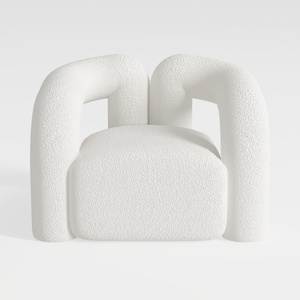
Minimalist Boucle Fabric Armchair Modern Unique Design 3D Model
Discover the joy of home design with Homestyler! This user-friendly platform offers a powerful online design tool, stunning 3D renderings, an array of inspiring design projects, and helpful DIY video tutorials. Bring your design dreams to life effortlessly, no experience needed!
Projete agora para LIVRE
































