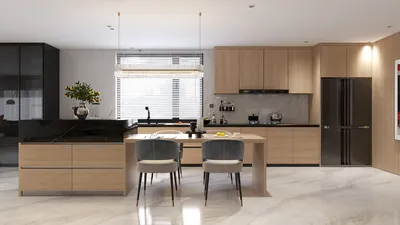


As we look towards the future, the concept of home is evolving. Today's residences are grappling with issues like noise, storage, and flexibility, often resembling inefficient software. Recent surveys by AIA reveal that Americans now favor adaptable layouts instead of merely larger square footage, a trend I observe in how clients discuss their living spaces. In this context, the floor plan of the Tate Modern serves as an innovative blueprint for modern living—where space functions as an interface rather than mere decoration. A toolkit for spatial reasoning underlies the decisions we make in design.
Industrial Loft Grid Inspired by the Turbine Hall
Design Logic: The central void acts as a communal living area, with mezzanine levels functioning like adaptable bands designed for various purposes. This grid not only accommodates large gatherings but also compresses for focused solitary tasks—precisely what a hybrid lifestyle necessitates.
Flow: Entry → gallery-like spine → sunken lounge (echoing the Turbine Hall) → raised work area → peaceful sleeping bay; this sequenced pathway resembles an instruction set that never interferes with itself.
Sightlines: Extended axial views provide orientation, while cross-sections highlight different areas like layered user interface panes, showcasing active spaces alongside serene backgrounds in harmony.
Storage: The ribbed perimeter walls act as cache arrays, with deep drawers and high bins neatly organizing gear, folding chairs, and seasonal clothing without cluttering the visual space.
Furniture Fit: All furniture adheres to the grid design protocol: a 96-inch sofa, modular plinth tables, and mobile task islands; everything aligns seamlessly along the datum lines.
Verdict: This layout is built with the future in mind, prepared for several years of flexible living—be it social events, remote work, or quiet evenings—remaining functional even as needs shift.
save pinOpen in 3D Planner Processing...
Riverfront Gallery Plan with Lateral Bays
Design Logic: The lateral bays emulate the enfilade galleries of Tate, offering rooms curated with density and designated focus points. Modern lifestyles favor well-defined micro-zones over chaotic open spaces.
Flow: Threshold → display bay → living bay → culinary bay → studio bay → sleeping bay; each bay serves a distinct function, with boundaries clearly defined for a calm atmosphere.
Sightlines: Layered frames direct the gaze like captions: art wall → window → workspace; visual cues are arranged to guide attention without overwhelming.
Storage: The bays incorporate concealed rails and shallow vitrines for quick access; pantries and linen closets become efficiently organized interfaces at each bay.
Furniture Fit: The standardized widths of the bays accommodate modular furnishings: a 60-inch dining table, 30-inch deep consoles, and wall-mounted benches ensuring space efficiency without excess.
Verdict: Through a gallery-inspired layout, daily life remains curated yet operational, adaptable to the changing needs—craft projects today and a casual neighborhood gathering tomorrow.
save pinOpen in 3D Planner Processing...
Adaptive Bridge Plan over a Public Core
Design Logic: Similar to the bridges at Tate, private pods hover above a communal core, with future-proofing derived from separating pathways for movement from areas meant for use.
Flow: Entry → shared core (kitchen/lounge) → bridge corridor → first pod (sleeping) → second pod (studio); commands operate seamlessly without interruptions.
Sightlines: Bridges provide diagonal perspectives into the core, with indicators showing home activity; transparency is adjusted to convey information without revealing too much.
Storage: The core features tall vertical pantry units, while pods accommodate slim wardrobes and drawers beneath the bridge—dividing storage based on frequency of use.
Furniture Fit: Pods are designed for compact efficiencies: a 54-inch bed platform, a wall desk at 24-inch depth, and stackable seating; the core supports a spacious island of 84 by 36.
Verdict: This split layout adapts to dynamic schedules—late night calls, early breakfasts—ensuring smooth transitions as daily routines evolve.
save pinOpen in 3D Planner Processing...
Final Takeaway
While the Tate Modern floor plan is not conventional housing, it serves as a forward-looking guide for creating adaptable domestic environments. By transforming museum-level clarity into practical apartments and townhomes, we empower two-dimensional plans to support evolving lifestyles without unnecessary distractions. In my view, the most intelligent homes of the future will not necessarily be larger, but rather more purposeful, demonstrating how organized sightlines and effective storage solutions can enhance everyday living. Tools like Homestyler can further assist in visualizing these innovative layouts.
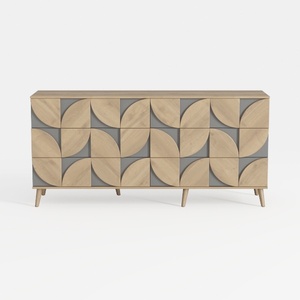
Modern Geometric Pattern Solid Wood Sideboard Cabinet 3D Model
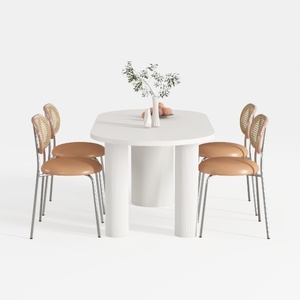
DUOMAY Modern Boucle Dining Chairs Set of 2,
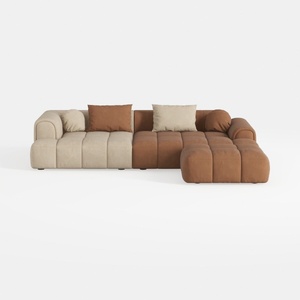
Modern Velvet Sectional Sofa, U Shape Minimalist M
Homestyler is your go-to online home design platform, offering an intuitive design tool, stunning 3D renderings, and a wealth of inspiring design projects. With easy-to-follow video tutorials, you'll transform your ideas into reality effortlessly. Discover creativity at your fingertips with Homestyler!
立即免费设计
































