

For over ten years, I have crafted and re-envisioned party venues for various formal events, including FPA gatherings, awards nights, and festive galas. The most effective locations successfully blend an inviting atmosphere with practical functionality, a balance that hinges on informed design choices. For instance, in adaptable party spaces, achieving optimal ambient lighting at 200–300 lux is essential, while task areas such as stages and food preparation zones should be elevated to over 500 lux, per the guidelines set by IES. Moreover, ensuring comfortable seating is vital; research from Herman Miller reveals that ergonomic seating significantly enhances attendee engagement during long events, thus affecting the overall perceived quality and satisfaction of the event experience.
Creating the Atmosphere with Homestyler's Layered Lighting
Lighting establishes the emotional atmosphere of an event long before guests engage with the menu or music. I adopt a layered lighting strategy—comprised of ambient, accent, and task lighting. Ambient fixtures need to provide a consistent and glare-free baseline of 200–300 lux; accent lighting enhances focal points such as floral arrangements and sponsor displays; task lighting ensures clarity at bars, stages, and catering areas, reaching between 500–750 lux for safety. Aligning these with IES standards guarantees visual comfort. For audiences sensitive to wellness, WELL v2 recommendations suggest tunable white lighting systems between 2700–3500K during evening events to minimize circadian disruption. Explore further lighting standards at ies.org/standards.
Understanding Color Psychology for FPA Branding and Mood
The selection of colors engages energy and influence behavior. Warm palettes featuring gold, amber, and rich reds enhance celebratory moods and create a sense of intimacy, while cool colors like teal, navy, and charcoal communicate sophistication and formality. According to research by Verywell Mind on color psychology, warm tones can boost social interactions, whereas blues promote trust and tranquility—ideal for fundraising events and awards. I often incorporate brand colors prominently at high-visibility areas, including entry portals, stage backgrounds, and donor recognition walls, softening the rest of the space with neutral textures to avoid visual fatigue.
Designing Flexible Layouts to Enhance Event Flow
The flow of an event should be seamless. I design distinct zones for greeting and coat-check, mingling lounges, main seating, performance stages, bars, and quiet areas for VIP networking. A good allocation of space follows the 60/30/10 ratio: 60% devoted to the main program, 30% for circulation and service, and 10% for intimate areas. For seated dinners, round tables optimize social interaction; high-top clusters encourage networking while minimizing obstruction. If you're interested in testing your layouts or sightlines, utilizing a room layout tool like Homestyler can help you visualize traffic patterns and table arrangements efficiently.
Incorporating Ergonomics and Human Factors
Comfort is key to event success. Chairs should accommodate lumbar support and feature a seat height ranging from 17 to 19 inches to suit mixed-height guests. Table heights should be approximately 29 to 30 inches, allowing 18 inches of elbow room per guest, with aisles measuring 36 to 48 inches to ensure smooth service routes. Bars should be set at around 42 inches high for standing events, with footrests to help minimize fatigue. Thoughtful ergonomic design reflects best practices seen in workplace seating, resulting in happier guests who engage more and tend to stay longer during key program segments.
Maintaining Acoustic Comfort While Preserving the Atmosphere
Exceptional sound quality is about more than just volume. I aim for a balanced RT60 (reverberation time) around 0.7 to 1.0 seconds in multi-functional spaces to ensure speeches are clear while maintaining musical warmth. Soft finishes like fabric panels, upholstered seating, carpets, and drapes absorb high-frequency sounds; wooden slats with acoustic backing help manage mid-range tones, whereas bass traps or tuned diffusers address low-end buildup from DJs or bands. Research from Steelcase highlights the importance of acoustic zoning; positioning the bar and dance floor away from the stage prevents noise spill and establishes semi-enclosed areas for better conversation.
Design and Stage Visuals for Optimal Sightlines
To ensure visibility, I elevate stages by 16 to 24 inches for medium-sized rooms and up to 30 inches for larger spaces. This height prevents neck strain for the front row and ensures clear sightlines for those seated in the back. Arranging tables in a chevron formation contributes to uninterrupted views. Key seating areas should remain within a 30 to 40-degree sighting angle to the stage, with visuals anchored through rhythmic symmetry—using paired floral arrangements, balanced truss lighting, and proportional backdrops enhances visual appeal. For LED screens, matching pixel pitch to the audience distance is important; a pitch of 2.6 to 3.9mm is ideal for closer viewers, while larger venues can tolerate pitches of 4.8mm and above.
Choosing Materials with Sustainability in Mind
FPA events often emphasize community values, prompting me to select materials that embody quality and sustainability. I prefer FSC-certified woods, recycled-content carpeting, and reusable modular décor. Low-VOC finishes are vital for improving air quality in enclosed venues. It is worthwhile to consider linen programs that track washing processes to conserve water and energy. Where feasible, I advocate replacing single-use signage with magnetic panels or digital displays that can be updated for various sponsors and segments, helping to reduce waste.
Adjusting Lighting Temperature and Mood as the Evening Progresses
As the night unfolds, I adjust the lighting from a warm 2700K upon guests' arrival to a neutral 3000–3500K during speeches and dining service, then transition back to warmer, dimmed settings for dancing. Accent beams can highlight key moments such as award presentations, while wall grazers enhance the architectural beauty of the space. It's crucial to avoid oversaturating colored uplights; layering colors in moderation ensures skin tones remain natural on camera.
Strategizing Bar, Buffet, and Circulation Flow
Bars must be positioned perpendicularly to main traffic pathways to reduce bottlenecks. For buffets, implementing two-sided stations with clear start and end indicators help minimize wait times, while creating separate dessert areas alleviates congestion at the main line. Service corridors should maintain a clearance of 48 to 60 inches to enable smooth movement of trays and carts without disturbing guests. Additionally, placing water stations close to seating clusters reduces the need for patrons to traverse the room unnecessarily.
Functional Décor That Enhances the Event Experience
Identify one standout piece for each zone—whether a signature floral canopy at the entrance, a branded backdrop on stage, or an artistic lighting design above the dance floor—while letting supplemental decor be understated. Visual rhythm is key; a consistent aesthetic through repeating table centerpieces, cohesive metallic finishes, and uniform linen palettes ties the venue together without overwhelming the guests. It's beneficial to maintain tabletop heights below eye level to foster conversations while ensuring visibility of the stage.
Enhancing Wayfinding and Guest Comfort
Effective signage, intuitive lighting cues, and well-staffed areas alleviate confusion for attendees. Ensure that restrooms are within a 90 to 120 seconds walking distance from main seating areas and provide micro-climate zones—quieter lounges, cooler spots near entrances, and warmer areas away from traffic flows—allowing guests to select their comfort levels.
Integrating Technology for a Seamless Experience
Early planning for audiovisual elements is crucial. Implementing distributed audio zones enables you to fine-tune sound levels throughout the venue; including wireless mic backups prevents awkward silence. For hybrid segments, position cameras on elevated platforms aligned with the central aisle, utilizing soft backlighting to eliminate harsh shadows. Install charging stations near lounges and conceal cable runs beneath ramps or rugs to prevent tripping hazards.
Planning and Testing the Layout in Advance
In preparation for the event, I create a detailed scale layout, assessing chair spacing, sightlines, and service pathways. A layout simulation tool, such as Homestyler, proves invaluable when navigating sponsor walls, stage dimensions, and traffic flows. Conducting a timed rehearsal ensures that walk-ons, award distributions, and lighting changes occur seamlessly for the audience.
Common Questions
Q1: What are the optimal lighting levels for a party hall?
A: Aim for an ambient lighting level of 200–300 lux for general areas and over 500 lux for task zones like bars and stages, following IES recommendations. For evening events, utilize tunable white lighting in the 2700–3500K range for comfort.
Q2: How should I organize seating for speeches and award ceremonies?
A: Tables should be arranged in a chevron pattern with priority seating located within a 30–40-degree view of the stage. Elevating the stage by 16 to 24 inches protects sightlines in medium-sized venues.
Q3: Which colors help guests feel both engaged and at ease?
A: Warm shades (amber, gold, soft reds) boost social energy levels, whereas cool tones (navy, charcoal) impart formality and calm. Striking a balance between bold accents and neutral bases prevents visual fatigue.
Q4: How can I maintain clarity in sound while keeping the atmosphere lively?
A: Aim for an RT60 value of approximately 0.7 to 1.0 seconds, incorporate fabric panels and carpets for sound absorption, and strategically zone louder areas (bar and dance floor) away from the stage to minimize noise interference.
Q5: What ergonomic dimensions should I adhere to?
A: Set seat heights to 17–19 inches, table heights to 29–30 inches, and maintain aisle widths of 36–48 inches. Provide lumbar support in seating and footrests at bars (about 42-inch counter height) to ease fatigue.
Q6: How can I better manage buffet queues?
A: Implement two-sided buffet setups with clear entry and exit points to improve service speed. Creating separate dessert areas and ensuring service corridors maintain widths of 48–60 inches prevents congested movements.
Q7: What are some materials that convey elegance while remaining sustainable?
A: Opt for FSC-certified wood, carpets made from recycled materials, low-VOC finishes, reusable modular décor, and digital displays to diminish waste while maintaining aesthetic appeal.
Q8: How should I modify lighting throughout the event?
A: Begin with a warm 2700K during arrivals, transition to a neutral 3000–3500K during speeches and dining for clarity, then dim and warm the lighting once again for dancing to recapture ambiance.
Q9: What steps should I take to support hybrid or recorded segments?
A: Utilize elevated camera platforms aligned with center aisles, soft backlighting to avoid harsh shadows, and ensure clean cable management, keeping audio zones for balanced sound.
Q10: How can I validate the layout before the actual event?
A: Employ a room design visualization tool to model table arrangements, stage placements, and service routes, while rehearsing timings for award presentations and audiovisual cues to ensure fluid transitions.
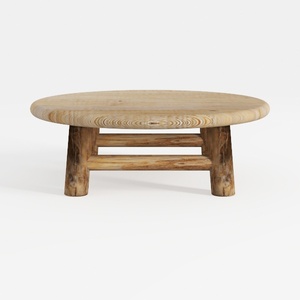

Rustic Solid Wood Round Coffee Table 3D Model
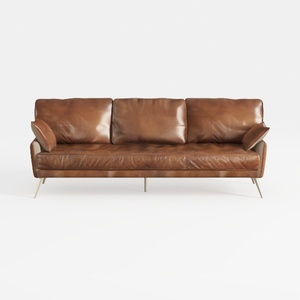
Modern Vintage Leather 3 Seater Sofa With Metal Legs 3D Model
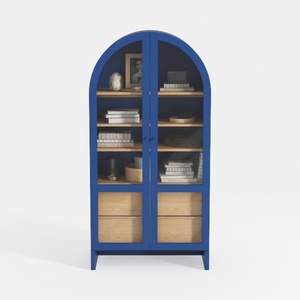
Arched Kitchen Pantry Cabinet with Glass Doors
Homestyler is your go-to platform for effortless home design. With its user-friendly online design tool, stunning 3D renderings, and a wealth of DIY video tutorials, you’ll transform your spaces into dream homes in no time. Bring your vision to life easily and creatively!
Diseño ahora GRATIS
































