

Selecting and designing an ideal venue encompasses much more than merely assessing capacity and visual elements. It is crucial for a well-crafted function hall to strike the right balance between flow, acoustics, lighting, and human comfort, especially under the demands of real events—be it weddings with elaborate traditions, conferences with audio-visual needs, or community events that require seamless accessibility. My experience spans planning and redesigning spaces for gatherings ranging from intimate luncheons of 80 guests to grand ceremonies accommodating 1,200 participants. The key factor that distinguishes an 'ordinary' event from an 'extraordinary' one often lies in the design choices made in the initial stages, and that's where tools like Homestyler can make a significant impact.
Effective capacity management should be built on validated seating and circulation ratios. Research from Steelcase highlights that adaptable spaces can enhance perceived options and guest engagement—principles I apply in creating event layouts by employing modular seating arrangements and flexible stage setups. The WELL v2 standards emphasize the importance of occupant comfort—thermal, acoustic, and visual—as fundamental to delivering positive experiences; this framework guides me in choosing suitable lighting temperatures and managing glare. My observations show that when guests enjoy clarity at light levels between 300 and 500 lux using warm-to-neutral color temperatures (2700–3500K), they tend to linger and engage more comfortably.
Lighting specifications are essential and cannot be overlooked. The Illuminating Engineering Society (IES) provides recommendations for illuminance levels suitable for various tasks; generally, ambient lighting in banquet and mixed-use halls remains around 150–300 lux, while focused areas such as stages may increase to 500–750 lux for better visibility. Even in smaller gatherings, controlling glare and ensuring uniform illumination are critical—using diffused lighting sources, layered setups, and adjustable control zones helps prevent harsh contrast that could tire guests' eyes and negatively influence photography. Additionally, I account for vertical lighting to ensure faces are well-lit, maintaining consistent Correlated Color Temperature (CCT) across fixtures to avoid discoloration in images.
Space Planning That Works Under Pressure
Comfort is largely dictated by spatial ratios. When it comes to seated dining, I allocate 10–12 sq ft per guest for round tables, increasing this to 14–16 sq ft when buffet lines or service stations are included. Aisle widths need to be between 1.2 and 1.5 meters for main pathways to facilitate two-way traffic—this is particularly important during peak service hours and ceremonial transitions. For ceremonies, I recommend a stage depth of at least 2.4–3 meters with side wings for equipment and quick access. If you're experimenting with different arrangements such as banquet, theater, or mixed lounge settings, utilizing a layout tool like Homestyler to visualize guest flow and sightlines before finalizing plans is invaluable. This proactive approach helps in avoiding choke points and awkward seating near structural obstructions.
Creating the Right Atmosphere: Lighting for Mood and Comfort
The interplay of color temperature and Color Rendering Index (CRI) can significantly influence memory formation and media quality. For weddings and social gatherings, warm lighting at 2700–3000K fosters intimacy; conversely, a range of 3500–4000K encourages alertness and accurate product representation during conferences or exhibitions. Utilizing high-CRI (90+) fixtures is essential for accurately portraying skin tones and fabric vibrancy, especially in event scenarios where photography plays a vital role. Combining ambient lighting with accent illumination on focal points, ensuring matte surfaces to reduce glare, and providing adjustable zones for speeches, dances, and transitions contributes to a dynamic environment. I also avoid mixing fluorescent and LED sources to minimize flicker and color inconsistencies in images.
Acoustic Strategy that Supports the Event
For multi-purpose halls, targeting a reverberation time (RT60) of approximately 0.8 to 1.2 seconds is advisable depending on the types of programs being hosted. Hard floors and glass surfaces can amplify reflections, so I address these by incorporating a mix of acoustic panels, plush seating, and ceiling baffles. Positioning sound-absorbing materials opposite prominent sound sources and near audience areas is crucial. To ensure clarity in speech, the public address (PA) system must deliver sound evenly without creating hot spots—it's vital to prevent overloading front-row guests to reach those seated at the back. Background music during receptions should be around 65–70 dB, while during meals and speeches, it should decrease to 50–55 dB to maintain a manageable cognitive load.
Human Factors: Accessibility and Comfort
Ensuring clear sightlines and intuitive wayfinding is essential for minimizing stress. I design entry workflows so that guests can easily spot check-in areas, main program boards, and the primary axis directing them into the hall. Micro-level ergonomics are important as well—seating height should be between 430–460 mm, table heights should range from 710–740 mm, and cocktail setups should feature ledges around 1050 mm. Accessible pathways must remain clear, featuring smooth transitions and ramps that comply with local code requirements. For longer events, ensuring thermal comfort and sufficient fresh air is a must; zoning heating, ventilation, and air conditioning (HVAC) based on occupancy helps avoid uncomfortable temperature variances, while vestibules serve to block outdoor air disruptions.
Color Psychology in Venue Design
The psychology of color can greatly impact attendee behavior. According to research from Verywell Mind, warmer hues tend to create inviting environments, while shades of blue and green enhance calmness and focus. In practice, I prefer neutrals for larger surfaces, introducing color through lighting gels, flowers, and textiles to remain versatile across various event types. It's advisable to avoid overly saturated colors on ceilings and significant walls, as they can strain the eyes and confine the venue's aesthetic to a single mood. For events that prioritize branding, I incorporate color washes that can be adjusted scene by scene without necessitating a repaint.
Stagecraft, AV, and Power Logistics
Ideal stage height typically ranges between 450 and 600 mm for mid-sized venues, with adjustments made only if visibility calls for it. Providing side access for performers and officiants is important, and back-of-house routes should be reserved for catering service to minimize crossings with guest pathways. Planning for power requirements in advance is vital—dedicated circuits for AV, separate ones for catering, and independent backup for emergency lighting must be prioritized. Effective cable management is crucial for aesthetics and safety, necessitating adequate concealment of cords under carpets and protective measures around intersection points. Before committing, it’s essential to test projection distances and screen sizes; for gatherings of 200–300, a screen in a 16:9 aspect ratio measuring 120–150 inches paired with controlled ambient light will enhance content readability.
Adapting Layouts for Various Event Types
For weddings, a combination of mixed seating arrangements—round tables for dining, lounge areas near the bar, and a direct path to the stage—facilitates energetic movement. A clear space of 6 to 8 meters for dancing is essential, and positioning the DJ or band off-axis helps to minimize sound interference in the dining space.
Conferences: Arrange theater seating with 900 mm row spacing and center aisles that align with stage sight lines. Designate perimeter areas for sponsors with clear pathways and acoustic separation from main speaking zones.
Community Events: Flexible seating options should include stackable chairs, foldable tables, and movable risers. Keep storage convenient to the hall for quick reconfigurations, and ensure there are accessible rest areas with soft, inviting lighting.
Material Choices and Sustainability in Design
Selecting durable, easy-to-clean materials is vital: solution-dyed upholstery resists staining, modular carpet tiles can quickly be replaced, and matte surfaces help mitigate glare. Whenever feasible, I opt for low-VOC materials and LED lighting to enhance energy efficiency. Utilizing resilient flooring with acoustic underlay serves to decrease noise from foot traffic, and I specify dimmable drivers that employ high-frequency modulation to alleviate flicker fatigue. For venues that host frequent events, investing in reusable scenic components—such as neutral backdrops, mobile plants, and adjustable lighting tracks—can significantly reduce waste.
Service Flow: Efficient Paths for Catering and Staff
Back-of-house traffic should match the flow experienced by guests without crossing into it. Position plating areas within 20 to 30 meters from dining zones, ensuring dish drop-off locations are out of view from guests, and include handwashing stations near service entries. Proximity storage to the hall minimizes turnover time; I allocate at least 10 to 15 sq ft per 100 guests intended for chairs, linens, and decor between events.
Evaluating the Plan Before Committing
Before finalizing your choice of venue, whether it's Dwaraka Function Hall or another location, it is essential to simulate the layout and conduct a program rehearsal. Utilize an interior layout planning tool, such as Homestyler, to assess aisles, capacities, and stage sightlines. Confirm the adequacy of acoustic treatments, check lighting requirements (lux levels and CCT), and review power circuits with the venue’s technical team. Take the time to walk through the guest experience pathway, from parking to seating to amenities like bars and restrooms. Making small adjustments at this stage—such as repositioning a buffet, widening an aisle, or altering lighting zones—has the potential to significantly enhance the overall experience.
Target lighting and comfort objectives take cues from IES illuminance recommendations and WELL v2 principles focused on occupant wellness. Insights from Steelcase regarding choice and engagement reflect the importance of flexible configurations and modular seating solutions.
Frequently Asked Questions (FAQ)
Q1: How much space per guest should I allocate for dining?
A: For round tables providing standard service, plan for approximately 10 to 12 sq ft per guest. Increase this by 2 to 4 sq ft when adding buffet lines, dance floors, or live service stations.
Q2: What are the optimal lighting levels for mixed-use events?
A: Aim for ambient lighting around 150 to 300 lux, with focal areas or stages set at 500 to 750 lux. It’s important to maintain consistent color temperature (2700 to 3500K) and a high CRI (90+) for effective photography.
Q3: How can I enhance speech clarity without overpowering background music?
A: Target an RT60 of around 0.8 to 1.2 seconds utilizing acoustic panels and soft finishes. Employ a balanced PA system to avoid localized sound saturation while lowering background music to 50 to 55 dB during speeches.
Q4: What seating arrangement works best for a wedding with 300 guests?
A: A combination of round tables for dining and lounge clusters works well, maintaining a clear zone of 6 to 8 meters for dancing, and aligning a central pathway to the stage for rituals and photography.
Q5: What color temperatures are suitable for weddings versus conferences?
A: For weddings, warmer temperatures at 2700–3000K are recommended, while conferences benefit from 3500–4000K to enhance alertness and accurate visuals.
Q6: How should I design accessible pathways?
A: Ensure aisles are wide and unobstructed (1.2 to 1.5 meters), with seamless floor transitions and direct sightlines to important areas. Plan for quieter seating sections with ready access.
Q7: What materials can maintain elegance while minimizing maintenance efforts?
A: Options like solution-dyed upholstery, modular carpet tiles, matte finishes, and resilient flooring that includes acoustic layers work well. Opt for low-VOC materials and LED lighting for eco-friendliness.
Q8: How much storage should a venue allocate for quick turnarounds?
A: Anticipate needing 10 to 15 sq ft of storage per 100 guests for items such as chairs, linens, decor, and AV equipment, ensuring this storage is conveniently located near the main hall for efficiency.
Q9: How can I effectively test a layout prior to making a booking?
A: Utilize a layout simulation tool to model seating arrangements, aisles, and stage sightlines, followed by a hands-on walkthrough with the venue team to verify acoustic considerations, lighting needs, and power availability.
Q10: What stage dimensions accommodate both ceremonies and performances?
A: A stage depth of 2.4 to 3 meters with accessible side wings and a height of 450 to 600 mm is typically adequate for most mid-sized events while ensuring visibility and smooth access.
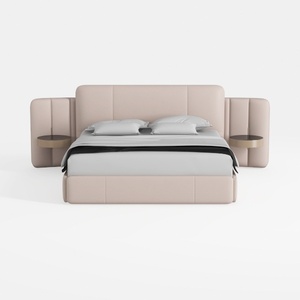
Minimalist Blush Fabric Upholstered King Bed with Attached Side Tables 3D Model
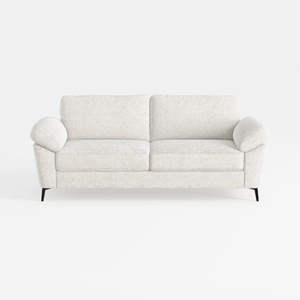
Minimalist Fabric Loveseat Sofa with Black Metal Legs 3D Model
Discover the ease of home design with Homestyler! This online tool offers stunning 3D renderings, a vast collection of design projects, and helpful DIY video tutorials. Whether you're a novice or a seasoned designer, Homestyler will inspire you to create your dream space effortlessly!
Design Now for FREE
































