


When organizing a wedding in Thiruverkadu, careful consideration of venue choice, guest comfort, and logistics is essential. With a decade of expertise in designing event and hospitality spaces, I've discovered that optimal results stem from harmonizing venue capacity, acoustics, lighting, and traffic flow to match the wedding's dynamics. In areas like Thiruverkadu, which are near metro locations, it's important to note that weekend demand surges and traffic can complicate arrival times. Thus, selecting a venue with efficient parking and streamlined scheduling can significantly ease planning challenges.
Guest comfort greatly impacts both satisfaction and the pacing of the ceremony. Factors such as seating arrangements, non-glare lighting, and sound clarity are often more important than decoration. Studies by Steelcase indicate that ergonomic design and quality environments can significantly enhance the experience and engagement at gatherings; therefore, comfortable seating and clear sightlines can minimize fatigue and reduce guests leaving early during lengthy ceremonies. The WELL Building Standard also underlines how appropriate lighting and sound management can lessen stress responses and boost cognitive comfort, applicable to wedding venues just as much as they are to office environments.
The influence of color and atmosphere is often understated. Insights from Verywell Mind reveal that warm colors can create an inviting and festive environment, but excessive color saturation may lead to overstimulation and visual exhaustion. In wedding contexts, it is beneficial to balance warm ambient light (around 2700–3000K) with neutral tones to ensure the couple is highlighted while keeping guests relaxed during extended events.
Essential Features to Consider in Venues
When assessing marriage halls in Thiruverkadu, I emphasize four critical elements: adaptability in capacity, parking options, sound performance, and dependable service. An ideal venue should provide tiered packages (venue-only, venue with catering, and décor add-ons), a requirement of at least 60–90 vehicles worth of parking for guest lists exceeding 500, and sound-proofing options (like acoustic wall treatments or drapes) to maintain clear communication during the event. It's wise to inquire about decibel levels during actual events or rehearsals; maintaining levels below 70–75 dB in guest areas creates a more pleasant conversation environment.
Lighting plays a crucial role in setting the atmosphere. Confirm the venue has adjustable warm lighting for ceremonies, brighter neutral lighting for dining, and focused lighting for important rituals. The WELL v2 guidance recommends a balanced lighting environment; for multipurpose event spaces, strive for approximately 200–300 lux in general seating areas, 500–750 lux on stage and buffet, along with glare control through diffusers or indirect sources. It’s advisable to conduct a demo with the chosen decorative palette to ensure materials avoid harsh lighting effects.
The acoustics of a space can enhance or detract from speeches and rituals. If a venue has hard surfaces such as tiles and concrete, I recommend incorporating softer elements like carpet runners, fabric drapes, and ceiling soundproofing options during the decoration planning phase to minimize sound reverberation. Test microphone quality and speaker positioning before confirming your booking, and avoid placing subwoofers in corners to prevent overpowering bass sounds that may interfere with important vocalizations.
Evaluating Capacity and Layout
Capacity goes beyond just counting heads; it directly relates to movement efficiency within the space. For a typical wedding with 400–600 guests, I aim for about 12–15 sq ft per guest in seating, making sure there are aisles of at least 1.5 m near the stage and 2.0 m around buffet lines. Whenever feasible, separate dining areas from ceremony spaces to minimize noise disruptions and overcrowding. If you wish to experiment with different seating arrangements, using a room layout tool like Homestyler can aid in visualizing sightlines to the stage, the placement of the mandap, and buffet areas.
room layout tool
For events that combine engagement and reception, consider incorporating movable partitions and an additional foyer for photo opportunities and gift tables. Additionally, design high-traffic processes—like catering preparations, service entry, and restroom access—to create a separate flow that does not interfere with the stage area.
Budget Expectations and Package Selection
Halls in Thiruverkadu usually provide several layered package options: venue-only, venue with catering, and premium décor services. I typically divide the budget between investments in sound and lighting upgrades and reliable catering services. Strive to negotiate inclusive packages for audio-visuals (including stage lighting, wireless microphones, and reliable backup systems) as opposed to itemized payments. Have clear discussions regarding GST, overtime costs, corkage fees (if relevant), and vendor coordination fees upfront. This transparency can prevent complications if events extend beyond planned durations.
For guest lists that are near capacity thresholds (e.g., fluctuating between 350 and 450), it is more prudent to book a larger package and reduce the density of décor instead of limiting seating. Ensuring comfort becomes essential, especially when the events last several hours.
Booking Timetable and High-Demand Dates
Given Thiruverkadu's accessibility to key Chennai routes, weekend availability can fill up rapidly. For highly sought-after dates, it's best to secure a venue at least 4–6 months ahead; for events held mid-week, a lead time of 2–3 months should suffice. Additionally, confirm morning versus evening slots early on—daytime events may require cooler settings and improved glare control, while evening receptions favor layered lighting and disciplined audio management to comply with neighborhood regulations.
Lighting Strategies for Ceremonies
Creating balanced, warm lighting enhances the mandap while ensuring that photography remains authentic. Aim for warm-white lighting (2700–3000K) at the stage, paired with neutral white (3500–4000K) in dining areas and corridors. Consistent vertical lighting on guests' faces is vital for photographers; avoiding strong backlighting can prevent silhouette issues. Following the IES guidelines on glare control—such as using diffusive fixtures, bouncing light off ceilings, and employing DMX control for different scenes—can help in transitioning between rituals and dancing sessions seamlessly.
Acoustic Management and Sound Control
Maintaining a reverberation time (RT60) of less than approximately 1.2 seconds in the main hall promotes clear audio transmission. Integrating portable acoustic panels, plush chairs, and linen table covers can enhance sound quality in venues featuring hard surfaces. Position DJs to direct sound towards dance areas instead of seating, and consider using sound limiters on the main outputs to ensure reasonable volume levels during key moments, as guests appreciate clarity over excessive loudness.
Color Preferences and Décor Selection
Warm color palettes—like gold, saffron, and marigold—create an uplifting atmosphere, while greens provide a sense of tranquility and balance. Although intense colors can invigorate, excessive use may result in visual fatigue during prolonged ceremonies. I prefer balancing vivid accents with neutral fabrics, matte textures, and natural floral arrangements to create visual harmony. For photography, steer clear of overly reflective metallic backdrops, as subtler sheens tend to perform better in images.
Enhancing Guest Experience and Navigation
Effective signage, attentive reception staff, and predictable spatial flow contribute to a relaxed experience for guests. Place hydration stations near dining areas and designate quiet spaces for elderly attendees. In venues with multiple levels, appoint ushers and label stair and elevator routes clearly. Providing a gift-drop table near the exit will also help to minimize congestion at the stage.
Vendor Management and Contingency Planning
Confirm load-in windows, available electrical capacity (it's essential to have a backup generator), and establish a single point of contact at the venue. Distribute your timeline to the venue staff, catering team, decoration crew, and photographer. Building in a buffer of 30–45 minutes before crucial ceremonies can accommodate any delays, like traffic or beauty preparations. It's also wise to keep an extra microphone and batteries on standby.
Accessibility and Safety Considerations
Ensure the venue provides ramp access, a reliable elevator, wide doorways, and accessible bathroom facilities. Fire exits should be clearly marked and unobstructed. I favor non-slip surfaces near buffet setups and ensure staging areas have threshold strips to mitigate the risk of tripping. If fireworks or sparklers are part of the celebration, it’s essential to coordinate with the venue regarding safety zones and available extinguishing equipment.
Sample Layout Ideas for Various Guest Counts
• For 250–350 guests: Two seating zones angled towards the stage, a central aisle of 1.8 m, with the buffet situated in a nearby hall and a dessert area close to the exit for an easier crowd flow.
• For 400–600 guests: Three seating banks with cross aisles every 8–10 rows, the stage positioned back further for expanded sightlines, and two buffet lines with staggered service times.
• For over 700 guests: Implement controlled entry zones, dining queuing rails, acoustic drapes along the side walls, and a satellite photo booth in the foyer to minimize congestion on stage.
Smart Reservation Strategies
• Attend a live event to assess temperatures, sound quality, and patron flow in the space.
• Request a lighting demonstration that incorporates your color scheme and fabric samples.
• Ensure a signed checklist is provided regarding AV equipment, backup systems, guest capacity, dining limits, parking logistics, and cleaning schedules.
• Secure a green room for the couple and their immediate families during the event.
• Clearly map service routes for vendors; ensure they do not intersect with guest movement paths.
• If planning a combined muhurtham and reception, arrange for a cleaning interval between events.
Reliable Research Sources
To ground your decisions in established principles of comfort and experience design, consider exploring resources like Steelcase research and the WELL v2 guidelines. Both offer valuable insights into aspects such as lighting quality, acoustics, and overall comfort, which can be effectively applied to any event setting.
Frequently Asked Questions
Q1: What is the ideal timeline for booking a marriage hall in Thiruverkadu?
A1: For weekends or auspicious dates, aim to reserve 4–6 months in advance. For mid-week events, securing a venue 2–3 months ahead is generally adequate.
Q2: How much space should I allocate per guest?
A2: Plan for about 12–15 sq ft per guest in seating areas, ensuring wider aisles (1.5–2.0 m) near the stage and buffet to enable smooth flow.
Q3: What are the best lighting specifications for ceremonies?
A3: Utilize warm 2700–3000K lighting at the mandap, neutral 3500–4000K in dining areas, 200–300 lux in general seating, and 500–750 lux on stages and buffet areas, employing glare control with diffusers.
Q4: How can I enhance the acoustics in a basic hall?
A4: Improve acoustics by adding fabric backdrops, carpet runners, table coverings, and portable sound-dampening panels. Aim to maintain an RT60 of around or below 1.2 seconds for optimal speech clarity and position speakers away from seating areas.
Q5: Is it advisable to opt for hall-only or bundled service packages?
A5: Bundled services can simplify coordination, especially concerning AV and décor elements. However, if you have trusted vendors, choosing hall-only might be advantageous—just clarify operational and service fees in advance.
Q6: What seating layout works best for simultaneous ritual and reception activities?
A6: For mixed formats, employ angled seating banks with a central aisle for rituals, then open cross aisles during receptions. Testing layout options with a tool like Homestyler ensures effective sightlines.
Q7: What colors work best for prolonged ceremonies?
A7: Warm tones (like gold and marigold) combined with neutral bases can help to prevent visual fatigue. Steer clear of overly reflective metallic surfaces that may cause glare in photographs.
Q8: How can I minimize congestion at the buffet?
A8: Implement two lines with staggered opening times, clear queuing rails, and a dessert station positioned near the exit to facilitate crowd dispersal.
Q9: What accessibility factors should I verify?
A9: Confirm that the venue has ramp access, functional elevators, wide doors, accessible restrooms, slip-resistant flooring near buffets, and well-marked fire exits.
Q10: How can I manage noise limitations for evening functions?
A10: Utilize limiters on audio systems, avoid corner placement for subwoofers, and direct speakers towards dance areas. Ensure that event end times comply with local regulations.
Q11: Is it beneficial to visit during an active event?
A11: Absolutely. This allows you to gauge real-world heat levels, sound dynamics, and crowd behaviors, enabling you to verify staff responsiveness and cleanliness protocols.
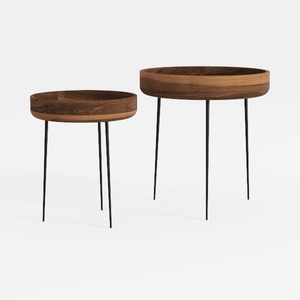

Modern Walnut Solid Wood Metal Leg Nesting Side Tables 3D Model
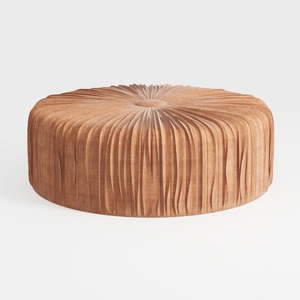
Minimalist Round Tufted Fabric Ottoman 3D Model
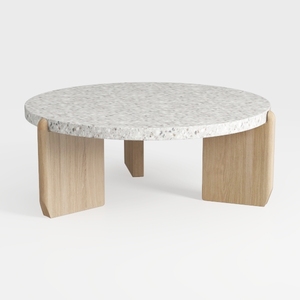
Minimalist Terrazzo Solid Oak Round Coffee Table 3D Model
Homestyler is a fantastic online platform for anyone looking to design their home effortlessly. With its user-friendly design tool, stunning 3D renderings, and a wealth of DIY video tutorials, you can transform your design ideas into reality and explore countless interior projects with ease!
Design Now for FREE
































