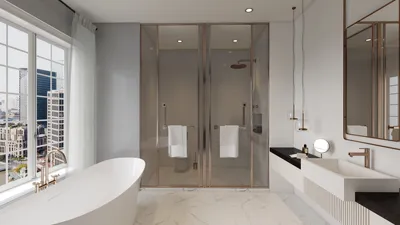


When I once installed a chandelier incorrectly, the result was my client's dining table under an intense spotlight—great for a laugh but not ideal for dinner interactions. That experience taught me a vital lesson: warm lighting greatly influences the atmosphere of a room. Especially in compact spaces, thoughtful lighting choices can turn a cramped area into a welcoming hideaway. In this article, I’ll share five lighting concepts that I’ve successfully implemented in various projects, along with practical tips and the insights I gained during the process, featuring suggestions from the Homestyler platform.
1. Combining ambient and task lighting
For apartment interiors, my favorite strategy is to start with a warm ambient pendant light and then incorporate focused task lights over work areas. The ambient light establishes a soothing foundation, while adjustable task lamps ensure that specific activities like reading or cooking remain functional without illuminating the entire space. The benefits of this approach include flexibility and comfort, but a common challenge is ensuring the color temperatures harmonize—making sure warm bulbs blend seamlessly with cooler task LEDs. In a recent kitchen makeover, I paired 2700K pendants with 3000K under-cabinet strips to achieve a cozy yet clear lighting effect, a technique easily visualized with Homestyler.
save pin
2. Dimmer switches and smart lighting scenes
I once witnessed a couple transition from bright light for morning preparation to a romantic ambiance for movie night using a single voice command. Dimmer switches and smart lighting presets can really enhance mood control, allowing adjustments in warmth and brightness throughout the day. The upside is significant mood flexibility, while the downside includes initial setup costs. For a truly warm glow, I recommend using dimmable LED bulbs in the 2200–2700K range.
save pin
3. Utilizing accent lighting for visual interest
By illuminating a textured wall or open shelving with warm spotlights, you can create a room that feels intentional and layered. I used small warm LED spots to accentuate the plaster details in a tiny living room; this added depth without requiring additional furniture. The advantage is enhanced visual interest without cluttering the space, though it’s essential to prevent glare and avoid over-illuminating artworks.
save pin
4. Subtle under-cabinet and toe-kick lighting
In narrow kitchens or hallways, employing discreet under-cabinet or toe-kick warm LEDs serves as both safety lights and soft ambiance. These low-profile options pack a punch in terms of atmosphere, while being economical. I suggest using low-lumen strips for nighttime navigation and selecting warmer color temperatures to maintain an inviting environment.
save pin
5. Combining floor and wall lamps
Using floor lamps equipped with warm bulbs alongside wall sconces can impart a cozy, hotel-like vibe in smaller rooms. My typical approach involves pairing a diffuse floor lamp for ambient illumination with a wall sconce focused on directional light. The benefits include adaptability in placement and immediate style enhancement; however, managing cords can be a consideration in very confined spaces.
save pin
Planning Tips:
To better visualize lighting placements and their shadows, I sometimes create layouts using a room planner. If you're keen on experimenting with fixture positioning, consider utilizing the Homestyler 3D floor planner to preview potential effects before making any purchases.
save pin
Frequently Asked Questions
Q: What color temperature is optimal for warm room lighting? A: Target 2200–3000K; lower temperatures provide a candle-like atmosphere, while 2700–3000K delivers a cozy yet bright light.
Q: How many layers of lighting should I incorporate in a small room? A: A minimum of two layers—ambient and task lighting is crucial. Adding an accent light can make the space feel more intentional and spacious.
Q: Are warm LEDs energy-efficient? A: Absolutely—modern warm LEDs are highly efficient and have a significantly longer lifespan than incandescent bulbs, leading to lower replacement and energy expenses.
Q: Is it advisable to use warm lighting in home offices? A: While warmer ambient lighting promotes comfort, incorporating cooler task lighting aids in color-critical work, preventing eye strain through balance.
Q: Can smart bulbs effectively replicate warm dimming? A: Many smart bulbs successfully simulate warm dimming; however, ensure they support both dimming capabilities and a warm-white spectrum.
Q: How can I minimize glare from accent lights? A: Use light shields, opt for lower-lumen fixtures, and aim lighting at textured surfaces rather than directly toward eye level to avoid stark glare.
Q: Any budget-friendly tips for creating cozy lighting? A: Begin using a dimmer switch on an existing fixture and add a warm floor lamp—this can create a beautiful atmosphere without significant costs.
Q: Where can I find effective planning tools? A: For evidence-based planning and visualizations, professional tools like Homestyler's room planner provide accurate layouts and insightful lighting representations (refer to CIE standards on lighting for guidance at https://cie.co.at/).
save pin
Looking to transform your space? Homestyler is your go-to online home design platform! With an easy-to-use design tool, stunning 3D renderings, a wealth of design projects, and helpful DIY video tutorials, you can effortlessly create your dream home, no matter your skill level!
Desain sekarang Gratis
































