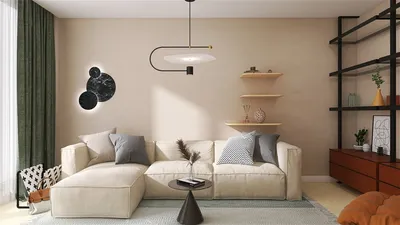


Searching for a standalone room in Bhopal can be a smooth experience if you prioritize aspects like layout clarity, ample natural light, effective sound insulation, and maintenance-friendly materials. My approach to renting mirrors my strategy for designing compact studios—focusing on human factors first, followed by the performance of the space. Research from Steelcase indicates that light quality and acoustic conditions significantly impact comfort and perceived productivity, particularly in smaller rooms where such factors become more pronounced. The WELL Building Standard v2 highlights the importance of daylight access and glare control as essential strategies for occupant health, which are critical when selecting a room with limited window space. I incorporate these guidelines into straightforward checklists, ensuring each shortlist considers budget, location, and overall livability.
Even when renting, the foundation of design plays a vital role. According to Gensler’s workplace studies, natural light stands out as the top amenity associated with well-being and productivity. The Illuminating Engineering Society (IES) advises maintaining around 300 to 500 lux for everyday tasks—achievable by blending natural light with layered LED lighting solutions. Introducing a basic task lamp (4000K–5000K) alongside a warm ambient light (2700K–3000K) helps maintain comfort without stark glare. These small adjustments can significantly enhance the quality of compact rooms, while remaining budget-friendly and reversible for tenants. To further enhance your living environment, I align with the WELL v2 principles regarding light, air, and acoustics, which can be found at wellcertified.com.
Neighborhood and Location Essentials
In Bhopal, being near key areas such as MP Nagar, Arera Colony, Kolar Road, BHEL, and locations adjacent to Ayodhya Bypass can lessen commute hassles and enrich your daily routine. I prefer neighborhoods offering walkable access to essential services like grocery stores, public transport, and healthcare facilities. It’s wise to visit at various times—morning, late evening, and on weekends—to evaluate noise levels, traffic flow, and safety. Look for good street lighting and mixed-use streets, as these usually remain lively and feel more secure. Inquire about the water supply schedules during peak summer months, and check for backup power sources for fans and lights to maintain comfort in the heat.
Overall Costs and Budget Considerations
Independent rooms show considerable variance in costs based on their furnishing level and exact location. Beyond just the rent, it’s essential to account for utilities such as electricity (flat rate or metered), water, maintenance fees, internet charges, gas deliveries, and any applicable society fees. I suggest setting a clear monthly budget and reserving 10-15% for unexpected expenses like repairs or seasonal appliances. Be clear about deposit requirements and notice periods; having flexible arrangements for compact rooms can lead to savings, particularly if your intended stay is within 6-12 months. Always retain receipts and capture the room's condition with photographs upon moving in.
Room Size, Layout, and Space Ratios
Most standalone rooms generally range from 90 to 180 square feet. Aim for a living-sleeping to storage-work ratio of approximately 60:40. In elongated rooms, position the bed along the shorter wall to facilitate easy movement. For square-shaped rooms, place the bed off-center to create a small workstation with a wall-mounted desk. If you need to experiment with various layouts before you settle, consider using a layout simulation tool like Homestyler for interior planning. This tool can help visualize circulation paths (ideally 750–900 mm) to prevent congestion and ease cleaning.
Light: Natural Daylight, Lux Levels, and Color Temperature
Assess the orientation of windows: east-facing ones provide gentle morning sunlight while west-facing ones may lead to afternoon glare and heat. It’s important to measure or estimate light levels—general tasks should achieve around 300–500 lux according to IES standards, with task lighting around 500–750 lux. Use a combination of warm ambient lighting (2700–3000K), neutral task lighting (4000–5000K), and low-glare fixtures. Matte finishes near desks can help minimize reflections. Simple roller blinds paired with sheer curtains can offer glare control while maintaining privacy.
Ventilation, Comfort, and Noise Control
Investigate the room's cross-ventilation capabilities and the condition of any fans or cooling units. In the hotter months, using a stabilizer for your cooler or air conditioning can enhance longevity and performance. Acoustic comfort is crucial: test the room for noise levels both with windows open and closed—listen for traffic, generators, or any loud neighbors. Incorporating soft furnishings—curtains, a thin rug, or an upholstered chair—can diminish echoes and improve your sense of privacy.
Color Psychology in Limited Spaces
Colors significantly influence mood and perception. According to guidance from Verywell Mind, blues and greens tend to evoke calmness, while warm neutral tones create a welcoming atmosphere. In smaller spaces, I opt for light neutral colors (like warm white, soft beige, or pale grey) combined with one subdued accent (such as sage green or dusty blue) to enrich depth without overwhelming visual space. Use vibrant colors in accessories that you can swap out with changing seasons or moods.
Furniture, Storage, and Ergonomics
Maximize vertical space by installing wall shelves above the desk and using slim wardrobes. For optimal ergonomic comfort, set desk height between 720 and 750 mm and use a chair that offers lumbar support. Store commonly used items at a height between your knees and shoulders to minimize strain. If you only cook occasionally, establish one area with a compact table, an induction cooktop, and proper ventilation; keep cookware organized in stackable bins to maintain clear countertops.
Safety, Contracts, and Utility Management
Ensure door and window locks are functioning correctly, verify fire safety measures in the building (such as the presence of extinguishers in common areas), and check that stairways are well-lit. Carefully review your rental agreement, noting the deposit terms, rent payment due dates, notice periods, and maintenance responsibilities. Request an electricity meter reading upon moving in. Additionally, test mobile network coverage and internet speed; stable connectivity can make compact settings feel more spacious and functional. Document the condition of utilities (meters, plumbing valves) and fixtures with photos.
Water Supply, Hygiene, and Material Choices
Inspect water pressure at taps and showers, and inquire about tank cleaning schedules. The choice of materials is essential—ceramic tile floors are durable and easy to clean, while glossy surfaces tend to reveal dust easily. Select washable paints and moisture-resistant materials in potentially wet areas. A compact shoe rack positioned at the entrance can help minimize dirt and enhance indoor air quality.
Furnished vs. Unfurnished Options
Furnished rooms can save you setup time initially but may include furniture pieces that don’t align with your ergonomic needs. Opting for unfurnished spaces allows you the freedom to choose exactly what you want: a bed that fits your size, a breathable mattress, and an ergonomic chair. If considering a furnished room, negotiate for the removal or replacement of bulkier items. Always measure doorways to ensure new furniture will fit through easily.
Connectivity, Work-from-Home, and Study Areas
Establish a distinct workspace by setting up a wall-mounted desk paired with effective cable management. Position your desk sideways to the window to prevent screen glare. Include a small task light and an extension cord with surge protection. If phone calls are frequent, think about soft wall panels or curtains to enhance acoustics. Keeping a tidy workstation can improve focus and lessen mental distractions.
How to Evaluate a Room: My On-Site Checklist
• Visit the property at various times to note noise levels and heat.
• Test the water pressure and inquire about supply timings.
• Verify the functionality of lights, power outlets, and fan speeds; confirm there is backup power.
• Assess window orientation and shading for glare management.
• Measure for the fit of bed and desk; sketch circulation paths.
• Check locks and hallway lighting; locate fire extinguishers.
• Read the contract thoroughly; confirm deposit and notice provisions.
• Conduct an internet speed test; evaluate mobile reception quality.
• Document the condition of the room with photographs for your records.
Design Advice for Compact Living
• Use layered lighting to create a harmonious atmosphere of brightness and ambiance.
• Keep wall colors light while introducing one muted accent for depth.
• Utilize vertical storage to maintain flow within the space.
• Select breathable bedding and ergonomic seating options.
• Incorporate soft furnishings such as thin rugs and curtains to soften sound.
• Adopt a regular cleaning routine to effectively manage dust.
• Utilize multifunctional furniture—like benches with built-in storage or nesting tables—for versatility.
Reference Materials
For further insights on light and acoustic quality, refer to WELL v2 guidelines at wellcertified.com and the IES standards on typical indoor task lighting at ies.org/standards.
Frequently Asked Questions (FAQ)
Q1: What lux levels should I target in a compact rental space?
A: Aim for a range of 300–500 lux for general lighting and between 500–750 lux at your desk area. Combining daylight with warm ambient fixtures (2700–3000K) and neutral task lighting (4000–5000K) will help minimize glare and reduce eye strain.
Q2: How can I manage glare if my window faces west?
A: Implement layered window treatments, using sheer materials alongside roller blinds, position your desk perpendicular to the window, and opt for a matte finish for your desk surface to limit reflections. A task lamp with a diffused shade can help maintain uniform brightness.
Q3: Which neighborhoods in Bhopal are the best for independent rooms?
A: Areas like MP Nagar, Arera Colony, Kolar Road, locations near BHEL, and along Ayodhya Bypass offer increased accessibility to transport, shopping, and other services. Make sure to visit at different times to check for noise and safety levels.
Q4: What strategies can I use to reduce noise in a small room?
A: Introduce soft furnishings such as curtains, a thin rug, and plush chairs to absorb sound. Ensure window seals are secure, and choose a room located away from noisy environments like generators or workshops. Bookshelves against shared walls can also help buffer noise.
Q5: Should I choose a furnished or an unfurnished room?
A: Furnished options are quicker to set up but may lack flexibility; unfurnished allows you to select ergonomic must-haves. If you choose a furnished space, negotiate for the removal of unwieldy objects and ensure mattress hygiene. Measure access points before moving in any furniture.
Q6: What ergonomic features should I consider?
A: Ensure your desk height is around 720–750 mm, use a chair equipped with lumbar support, and keep screens aligned with your eye level. Frequently used items should be stored at a height where they are easily accessible, between your knees and shoulders, to reduce physical strain.
Q7: How do I evaluate ventilation and maintaining thermal comfort?
A: Look for cross-ventilation, operational fans or air coolers, and shading options for west-facing windows during summer. Utilizing a stabilizer for your AC or cooler can optimize performance. Avoid rooms that display signs of stale air or dampness.
Q8: Which colors are ideal for smaller spaces?
A: Light neutral shades help create the illusion of a larger space. Including one subdued accent like sage or dusty blue adds depth. Color psychology underscores that cool tones like blue and green foster a peaceful ambiance, making them suitable for areas designated for studying or relaxation.
Q9: What should I lookout for in a rental agreement?
A: Review key details regarding the deposit amount, rent due dates, notice periods, responsibilities for maintenance, and payment methods for utilities. Always document the initial condition of the room through photos, and keep digital or hard copies of all transactions.
Q10: How can I design the layout before moving in?
A: Create a basic sketch of the room, noting door swings and window placements, then explore layout options digitally using room planning tools, such as Homestyler. Make sure to leave a circulation pathway of 750–900 mm for comfortable movement.


Storkcraft Next Santos Twin-Over-Twin 5-in-1 Conve

Edenbrook Platform Bed with Headboard – No Box Spr

47" White Frame Desk, Natural Laptop Table Compute
Homestyler is the ultimate online home design platform for creating stunning interiors with ease. Its user-friendly design tool, impressive 3D renderings, and an array of DIY tutorials make it perfect for everyone—turn your vision into reality today!
Design Now for FREE
































