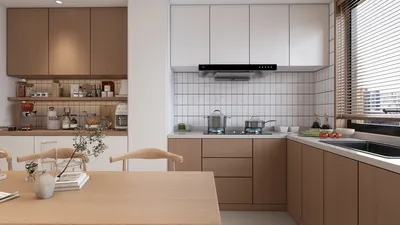


When designing kitchens, my approach emphasizes clarity through clean lines and a well-thought-out work triangle. I prioritize calm surfaces to create an inviting atmosphere, even during hectic times. Embracing simplicity involves making intentional choices where every element serves a functional purpose, ensuring that each material has significance in the overall design. Integrating tools like Homestyler can help visualize these concepts effectively.
A strong foundation for functionality begins with considering human factors. The WELL v2 standard suggests specific task lighting intensities between 300 and 500 lux for food preparation areas, complemented by lower ambient lighting levels to minimize glare and reduce eye fatigue. This aligns with IES recommendations, emphasizing the importance of a well-organized kitchen environment. Research by Steelcase indicates that thoughtfully arranged spaces enhance cognitive focus and productivity, and I have observed this trend in kitchens where storage, lighting, and traffic flow are harmoniously integrated. Color psychology from Verywell Mind reveals that softer shades like greens and blues can foster tranquility, particularly beneficial for morning routines or evening meal preparations.
Space Planning: Triangle, Zones, and Flow
The initial step involves establishing a work triangle—connecting the sink, cooktop, and refrigerator—while optimizing distances to maintain efficiency. Ideally, each leg should range from 4 to 9 feet, with a cumulative distance not exceeding approximately 26 feet. From here, I define distinct zones: preparation, cooking, cleaning, serving, and areas for quick snacks. For redesigning layouts, a user-friendly interior planner like Homestyler can assist in visualizing the necessary clearances and traffic patterns.
Selecting a Serene Material Palette
Modern minimalism advocates for a curated selection; typically, one primary cabinet finish paired with a countertop and an additional texture—such as timber, ribbed glass, or matte metal—creates a cohesive look. I opt for low-sheen finishes like laminates or painted MDF to foster a contemporary aesthetic, paired with durable options like quartz or sintered stone. Maintaining visual consistency is crucial; this includes the alignment of door reveals and matching grain directions, while minimizing filler panels. For insights on durable materials, resources like Material ConneXion provide reliable information about sustainability and performance.
Strategic Lighting for Tasks, Mood, and Safety
Implementing layered lighting is essential. Under-cabinet task lighting should achieve 300-500 lux over work surfaces, with pendant lights set to color temperatures of 2700-3000K for islands and breakfast areas, complemented by ambient ceiling lighting at 200-300 lux to minimize glare. The WELL v2 standards focus on controlling brightness and supporting circadian rhythms, leading me to incorporate dimmable features, high CRI ratings (90+), and shielded optics. For darker work surfaces, closer spacing of task lights can eliminate scalloping effects; in contrast, high-gloss materials benefit from diffusers to soften intense reflections.
Smart Storage Solutions
Effective kitchens conceal complexity behind streamlined fronts. This includes implementing full-extension drawers for cookware, dedicated pantry pull-outs, vertical dividers for baking sheets, and utility drawers for knives—all strategically placed for ease of access. I focus on making frequently used items readily available: placing cutting boards near the sink, spices conveniently between the cooktop and prep areas, and everyday dishes within the lowest upper cabinet shelves. These minor adjustments significantly enhance efficiency over time, showcasing the value of good design.
Selecting the Right Appliances
I typically recommend compact appliances such as a 24-30 inch cooktop, a 24 inch dishwasher, and a counter-depth refrigerator to preserve clean lines. Induction cooktops provide rapid and safe cooking options while maintaining a minimalist profile. Panel-ready appliances further integrate seamlessly into cabinetry, which is especially advantageous in open-concept spaces, ensuring a tranquil visual experience without distractions.
The Psychology of Color for a Soothing Environment
The layout of the kitchen dictates functionality, but color influences the emotional aspect. Utilizing soft neutrals alongside muted tones—such as warm whites, clay, and fog gray—creates a consistent illumination throughout. Research from Verywell Mind underscores the calming effects of blues and greens, which I incorporate thoughtfully for accents; whether it’s a subdued sage island or a sky-gray backsplash, those touches bring serenity. I recommend reserving bold contrasts for hardware or singular focal points to maintain visual harmony without overwhelming the senses.
Acoustic and Hygiene Considerations
In open kitchens, sound can become a concern. To mitigate noise, I suggest incorporating felt-backed rugs near the sink, employing acoustic panels that double as art, and using upholstered dining chairs. For sanitation, continuous backsplashes behind the stove, coved upstands where the counter meets the wall, and pull-out trash bins with separate compartments for recycling are essential. The choice of induction cooking also reduces combustion byproducts, especially when paired with appropriately sized range hoods vented to the outdoors.
Ergonomics and Clearances
Aim for a clearance of 42 inches between counters in kitchens designed for single chefs, while allowing 48 inches for those utilizing the space collaboratively. Ideally, position the dishwasher near the sink with at least 21 inches of side clearance to prevent door collisions. Standard counter height at 36 inches accommodates most users, while creating a lower section at 33-34 inches alleviates strain during tasks like kneading. The placement of wall cabinets at 18 inches above counters allows for functionality without compromising space.
Island and Peninsula Tips
Islands thrive when they do not disrupt movement; maintain at least 36 inches of clearance on the narrow side and extend it to 42-48 inches where foot traffic is heavier. For compact spaces, a slender island measuring 24-27 inches deep with one side designated for seating and the opposite for drawers can effectively replace a dining table. I recommend pendant lighting that is in scale with the island—10-12 inches in diameter for smaller islands, suspended 30-34 inches above the surface.
Focal Point Backsplash and Hardware
Using a slab backsplash that matches the countertop material enhances a calm visual aesthetic. If tiles are preferred, select options with a matte or satin finish in a running bond or stacked arrangement to maintain modern simplicity. For hardware, I favor slender solid-brass pulls in understated finishes like satin nickel, brushed brass, or graphite. Consistent dimensions for pulls help unify visual lines across the design.
Sustainability in Design
Opt for low-VOC paints, FSC-certified materials, and energy-efficient LED lighting with replaceable drivers. Induction cooking reduces heat loss while pairing effectively with proper ventilation systems. A conveniently placed compost pull-out near food preparation zones fosters eco-friendly habits. Frameworks such as IFMA and WELL promote transparency in materials and indoor air quality, illustrating how thoughtful kitchen design supports both functionality and environmental considerations.
Efficient Layout Examples That Perform
An excellent option for studios and loft spaces is to prioritize ceiling-height storage, integrate the hood into upper cabinetry, and include a movable island cart.
Ideal for corner windows; position the sink on one side, with the cooktop opposite and a prep zone converging at the intersection.
Optimized for small homes; stagger the sink and cooktop across from each other while maintaining a 42-inch clearance for safe movement. Making use of a design simulation tool can effectively evaluate workflow and door movements, such as those provided by Homestyler.
Lighting Specification Quick Guide
- Task: 300-500 lux over counters, CRI 90+, with color temperatures of 2700-3500K depending on the finishes.
- Ambient: general illumination at 200-300 lux, ideally dimmable.
- Accent: targeted lighting at 200-400 lux for open shelving or art displays, designed to minimize glare.
Essential Tips for a Modern, Streamlined Kitchen
- Replace upper cabinetry on one side with open shelving to relieve visual heaviness.
- Camouflage the refrigerator and dishwasher with cabinetry for a seamless appearance.
- Implement continuous toe kicks and integrated pulls to achieve a contemporary profile.
- Incorporate motion sensors for under-cabinet lights for enhanced usability during nighttime.
- Maintain a cohesive palette: combining one wood type, one paint, and one stone.
References for Informed Kitchen Choices
For guidance on kitchen task lighting and its impact on human health, visit the WELL Building Standard at wellcertified.com and review illuminance categories from IES standards. To explore behavioral insights relevant to kitchen organization and efficiency, consult research from Steelcase for actionable advice.
Frequently Asked Questions
Q1: What’s the simplest layout for a small modern kitchen?
An effective one-wall or galley layout keeps the design compact and functional. Utilize full-height storage options with a narrow island or cart to increase prep space without restricting movement.
Q2: How bright should kitchen task lighting be?
Aim for brightness levels between 300-500 lux over work surfaces, with a high CRI (90+) for true color representation. Incorporate dimming features to enhance comfort during evening use.
Q3: Which color schemes create a calm yet modern kitchen atmosphere?
Utilize soft neutrals paired with muted greens or blues for accents. These colors promote a sense of calm and clarity according to color psychology research, complementing natural textures beautifully.
Q4: Are induction cooktops a worthwhile investment for simplicity?
Absolutely—induction cooktops provide rapid heating, easy cleaning, and a sleek design, all while minimizing ambient heat. They also blend seamlessly with modern ventilation solutions.
Q5: What clearance is necessary around an island?
Aim for a minimum of 42 inches clearance for single-use kitchens and 48 inches for spaces accommodating multiple people cooking or moving around.
Q6: Which countertop materials balance simplicity and durability effectively?
Quartz and sintered stone are ideal due to their resilience, stain resistance, and consistent patterns—perfect for achieving a calm visual field. Sealed solid wood islands can also add warmth to the design.
Q7: How can I reduce noise in an open-plan kitchen?
Incorporate soft materials: felt rugs, upholstered stools, acoustic art panels, and fabric window treatments to help mitigate sound. Choose quiet appliances, including low-profile range hoods and dishwashers.
Q8: What storage features are essential in a minimalist kitchen?
Include full-extension drawers, slim pull-out pantries, tray dividers, and concealed trash and recycling systems. Ensure frequently used items are stored at waist to shoulder height for easy access.
Q9: What is the ideal color temperature for kitchen lighting?
Typically, 2700-3000K for pendant and ambient lighting to create warmth; and between 3000-3500K for crisp task lighting, ideally over cooler-toned surfaces.
Q10: How can I maintain a cohesive two-tone scheme without visual chaos?
Limit the contrast to one area—consider darker base cabinets versus lighter upper ones—and repeat hardware and countertop materials to bring unity to the design.
Q11: Which eco-friendly choices have the most significant impact?
Options such as LED lighting, low-VOC finishes, FSC-certified wood, induction cooking, and well-vented range hoods markedly improve both sustainability and indoor air quality.
Q12: What is the optimal height for pendants above an island?
Typically, pendant lights should hang 30-34 inches above the countertop, while adjusting for the size of the fixture and ensuring good sightlines. Maintain a 24-30 inch space between multiple pendants.
Homestyler is your go-to online home design platform! With its user-friendly design tool, stunning 3D renderings, and a plethora of design projects and video tutorials, you can effortlessly create and visualize your dream space. Perfect for both novices and seasoned designers!
Progetta ora GRATIS
































