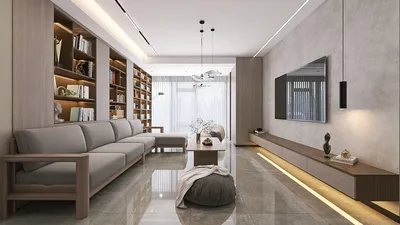


Designing a hip roof with trusses not only enhances your home's visual appeal but also provides robust structural support. Characterized by slopes on all four sides, hip roofs come with unique advantages, such as improved stability and efficient rainwater management. When embarking on a hip roof project, it's important to consider the overall aesthetic of your home as well as your regional climate. Properly designed trusses contribute not only to roof support but also promote better energy efficiency and minimize material waste. Incorporating tools like Homestyler can assist greatly in visualizing your design options.
In this guide, we will delve into crucial tips and factors to keep in mind when designing a hip roof with trusses, while also ensuring a comprehensive understanding of the benefits and upkeep associated with such structures.
Key Tips for Designing a Hip Roof with Trusses:
1. **Select an Appropriate Truss Design**: Choose trusses that align with your home's architectural style. Traditional king post trusses can provide a timeless look, while modern designs suit contemporary residences well.
2. **Assess the Roof Pitch**: The angle of your hip roof plays a significant role in both aesthetics and performance. A steeper pitch can facilitate better drainage of water and snow but may necessitate more intricate truss calculations.
3. **Integrate Insulation Thoughtfully**: Quality insulation is vital in a hip roof design for maintaining energy efficiency. Ensure your trusses are designed to accommodate adequate insulation installation, promoting a comfortable indoor climate.
4. **Work with a Professional Designer**: Partnering with an experienced architect or structural engineer will guarantee that your hip roof truss system is compliant with local building codes and standards, thus harmonizing appearance with structural stability. Their skills can help avoid costly errors during the design phase.
5. **Opt for Energy-Efficient Materials**: Selecting energy-efficient materials for both roofing and insulation can greatly enhance your home's comfort and lower energy costs. These materials aid in maintaining warmth during winter and coolness in summer.
Why Opt for a Hip Roof?
Hip roofs present numerous benefits. They demonstrate remarkable durability against severe weather, outperforming gable roofs. The dual slopes on each side distribute wind pressure evenly, resulting in greater stability. Additionally, hip roofs afford more usable attic space, which can be converted into livable areas, thereby potentially increasing your property's value through innovative space utilization.
Furthermore, hip roofs generally demand less maintenance than alternative roofing styles due to their streamlined design, making them an appealing choice for homeowners who wish to minimize upkeep.
FAQ
Q: What materials are ideal for a hip roof? A: Typical materials include asphalt shingles, metal roofs, and clay tiles, depending on your aesthetic preferences and budget constraints.
Q: How should I maintain a hip roof? A: Conducting regular inspections for leaks and debris removal, along with gutter cleaning, can help prolong your roof’s lifespan.
Q: Are hip roofs energy-efficient? A: Absolutely! When correctly insulated and built with energy-efficient materials, hip roofs can significantly lower heating and cooling expenses, enhancing overall energy efficiency.
Q: What is the typical lifespan of a hip roof? A: The lifespan can vary depending on the materials used, but a well-installed roof can last over 30 years.


Transform your home design dreams into reality with Homestyler! This user-friendly platform offers powerful online design tools, stunning 3D renderings, and a wealth of inspiring design projects and DIY video tutorials. Whether you're a beginner or a seasoned pro, Homestyler makes home design easy and enjoyable!
Design jetzt kostenlos
































