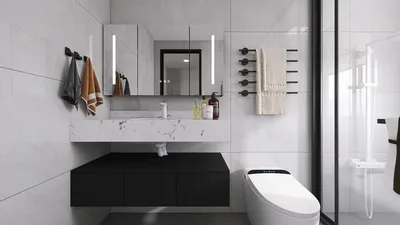


I often chuckle at the memory of a little one transforming my client's immaculate hallway into a vibrant art display with scribbles—despite the promise of ‘washable’ paint, it didn’t hold up! This experience taught me to approach the term washable with caution and to experiment carefully before committing. By using space planning examples, I re-evaluate finishes that can endure the realities of everyday life.
1. Opt for satin or eggshell finishes
For walls that experience a lot of traffic, I tend to select satin or eggshell finishes. They provide a perfect balance between sheen and ease of cleaning, concealing imperfections more effectively than high gloss and usually enduring gentle scrubbing. However, it’s essential to opt for quality; the cheapest options can sometimes reveal streaks when cleaned vigorously.
save pin
2. Seek out scrubbable, scrim-resistant formulas
Today’s manufacturers rate their paints based on scrubbability; for spaces like children’s rooms and hallways, I prefer products that withstand multiple scrubs per square inch. This choice enhances longevity and reduces the need for frequent repainting, although it may come with a slightly higher initial price tag. Testing a sample can be very helpful.
save pin
3. Use a washable primer beneath paints
A good-quality primer is often an unsung hero in the painting process. It seals stains and improves paint adhesion, allowing the top coat to wipe clean without the risk of peeling. In a recent studio project, investing in additional primer added to the cost upfront, but it ended up saving me significant time on touch-ups later.
save pin
4. Feature washable patterns on accent walls
I enjoy incorporating washable stenciled or striped accent walls in areas like laundry rooms or kitchens. These patterns not only help conceal marks but are also easy to clean. Creating a design like this allows for the use of a robust paint on the lower sections and a softer finish above, though it will require a bit more planning and taping.
save pin
5. Select low-VOC washable paints for sensitive environments
For nurseries and rooms dedicated to elder care, I always opt for low-VOC, scrubbable paints. These options maintain good air quality while permitting the removal of everyday stains. Although they tend to be somewhat pricier, the safety and peace of mind they provide make them worthwhile; it’s prudent to test a sample first for scrubbability.
save pin
Tips 1:
A practical budgeting strategy is to utilize a mid-range washable paint while reinforcing high-impact areas with semi-gloss finishes on trim or lower wall sections. For layout inspiration on using durable finishes, I frequently refer to ‘space planning examples’ to visualize traffic flow and identify delicate surfaces.
save pin
FAQ
Q1: What defines a paint as washable?
A washability rating primarily relates to its formulation; paints with higher binder levels and specific resins offer better resistance to abrasion and cleaning. Inexpensive paints may claim to be washable, yet often lack the necessary binder concentrations for repeated scrubbing.
Q2: Is it possible to enhance the washability of existing walls?
Absolutely! Begin by cleaning thoroughly and spot-priming any stains, then applying a fresh washable topcoat or a clear protective sealer on high-traffic areas. Always test a discreet spot first to check for appearance and adhesion.
Q3: What is the most suitable finish for kitchen walls?
Satin or semi-gloss finishes are ideal as they handle grease and cleaning better than flat options. Semi-gloss is particularly user-friendly for cleaning, though it may draw attention to imperfections on walls.
Q4: Are washable paints safe to use in baby rooms?
Select low-VOC or zero-VOC washable paints explicitly labeled for indoor use; they minimize harmful emissions and are safer for nurseries. Always follow the manufacturer's instructions regarding curing times before utilizing the room.
Q5: How frequently should I repaint walls treated with washable paint?
With appropriate scrubbable paint, it’s possible to extend time between repaints to several years; however, areas that endure heavy usage might require more frequent touch-ups. Good primers coupled with proper surface preparation can significantly prolong intervals between repainting.
Q6: Do washable paints come with a higher price tag?
Typically, they may be slightly costlier upfront due to their higher-quality binders and additives, but in the long run, they can save on maintenance and repainting costs. I recommend budgeting for a mid-range washable option for busy households.
Q7: Is it feasible to apply washable paint on textured walls?
Yes, you can, but keep in mind that textured surfaces increase the area for stain accumulation. Opt for a formula that boasts proven scrubbability and clean gently using soft brushes. If you're considering a redesign, refer to ‘kitchen layout ideas’ for placing textured accents where they’ll be less exposed to wear.
Q8: Where can I access reliable information on VOCs and indoor air quality?
For credible insights on VOCs and indoor air quality, check out the U.S. EPA guidance on volatile organic compounds: https://www.epa.gov/indoor-air-quality-iaq/volatile-organic-compounds-impact-indoor-air-quality. I recommend adhering to their safety timelines and ventilation guidelines.
Before making a purchase, I always advise sampling a small area in the actual room and conducting a wipe test with your preferred cleaning method—this helps me avoid unexpected issues (and scribbles!) in real projects. To visualize how durable finishes integrate into a floor plan, I sometimes consult ‘3D floor examples’ to assess traffic patterns and cleaning access.
save pin
Homestyler is your go-to online home design platform! It features an easy-to-use design tool, stunning 3D renderings, and an array of inspiring design projects. Plus, with helpful DIY video tutorials, you can effortlessly transform your space into a dream home. Get started today!
立即免费设计
































