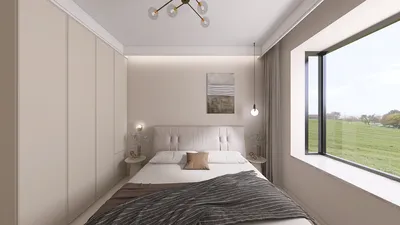


When I consider room partitions, I view them as vital design elements that influence space and functionality. A thoughtfully designed divider can enhance movement flow, create distinct areas, and regulate lighting and sound without compromising openness. In modern residences where living, dining, and workspaces intersect, partitions play a crucial role in organizing daily activities and providing a well-defined setting for each task. Utilizing tools like Homestyler can greatly help in visualizing these setups.
Research consistently reinforces the importance of purposeful zoning. For instance, studies by Gensler emphasize that having designated areas—calm, collaborative, and social—enhances productivity across various work styles; similarly, in home settings, multifunctional spaces benefit from defined yet flexible boundaries. The Illuminating Engineering Society (IES) advises achieving 100–300 lux for general living room lighting and 300–500 lux for specific work areas, supporting the notion of nuanced lighting that utilizes layered designs instead of a single open layout. To validate wellness, the WELL v2 framework highlights glare reduction and view availability, both of which are more manageable with partial-height or screen partitions that also allow for daylight penetration.
The psychology of color serves as another significant factor. According to Verywell Mind, cooler shades can evoke tranquility, while warmer tones foster sociability; thus, partitions can essentially function as color palettes that influence behavior—soft greens or grays for reading areas, warm hues like terracotta or amber for conversation spots. In balancing different family routines, I strategically select partitions that adjust color temperature and texture, ensuring the room feels both cohesive and purposefully segmented.
Essential Techniques for Designing Room Partitions
In both small apartments and expansive open-plan spaces, partitions should transcend the role of mere walls. I prefer multifunctional approaches: integrating storage, display options, and acoustic solutions. For instance, a perforated wood screen with staggered shelving not only retains visual openness but also mitigates sound and offers a place for books or artwork. If you're considering alternative arrangements or how spaces interact, utilizing an interior design tool like Homestyler can assist in testing sightlines and seating arrangements efficiently.
Illuminating Partitions
Light serves as the essence of a drawing room. I tend to favor translucent or slatted designs that diffuse brightness and minimize glair. Reeded glass panels provide privacy while dispersing light; vertical timber slats introduce a rhythmic pattern and allow visibility between sections. To meet the IES’s lighting guidelines without glare hotspots, I suggest combining these structures with adjustable lighting fixtures and low-glare wall sconces. In work or reading areas, a shielded lamp set around 300–500 lux is optimal, ensuring that the partitions do not obstruct windows but rather align openings to maximize natural light flow.
Material Selections and Sustainability
Choosing the right materials significantly affects both aesthetics and functionality. For a modern, warm feel, materials such as ash, white oak, and walnut veneers deliver a soothing texture; slim powder-coated aluminum frames ensure durability and sleek lines. For eco-conscious choices, I focus on FSC-certified woods and low-VOC finishes. Additionally, natural-fiber panels, such as wool felt, can be integrated within shelving partitions to enhance sound quality during conversations and media consumption. If a brighter, art gallery-like atmosphere is desired, using painted MDF with inset acoustic fabric can be economically feasible while still absorbing mid-frequency sound.
Sound Comfort without Bulk
In open spaces, the challenge of echo often arises. Instead of constructing heavy barriers, I recommend a trio of elements: a semi-absorptive divider (like felt or micro-perforated wood), soft furnishings (like rugs and upholstery), and open shelving. This combination offers a balance between clarity and warmth. I position absorbing materials at common sound reflection points—generally opposite speakers or large hard surfaces—and include asymmetric shelving to help diffuse sound.
Color, Tone, and Behavioral Indicators
The impact of color psychology in a drawing room is subtle yet influential. Cooler greens and blues are ideal for reflective spaces, while warm reds and ambers invigorate social areas. It's essential to control saturation on expansive partition surfaces and introduce deeper colors through decorative items or smaller panels. If natural light is cooler, compensating with warmer lamps at around 2700–3000K in social zones and 3000–3500K in focused areas helps align the environment with intended activities.
Common Partition Types I Frequently Utilize
I often use staggered shelving on a slim frame, with selective backing to partition spaces while maintaining lightness. The goal is to achieve a 60/40 balance of openness to closure to keep sightlines intact.
Incorporating metal-framed, reeded or frosted glass panels on a ceiling track allows for room adaptability—opened for gatherings, closed for more intimate occasions.
Implementing vertical elements that control glare while offering structural flair. Adjusting the fin spacing can effectively manage privacy and air circulation.
Modular fabric-wrapped or felt panels on a rail system allow for easy repositioning, ideal for spaces prone to echo when coupled with hard surfaces.
A low planter, measuring 750–900 mm, serves as a territorial marker, softening acoustics while adding a biophilic touch.
Human Considerations: Proportions and Sightlines
Comfort largely depends on the scale of elements. In rooms with ceiling heights of 2.6–2.8 m, I favor slender, full-height partitions (40–80 mm), incorporating cutouts at eye level to alleviate visual congestion. For partial-height dividers, heights between 1.2–1.5 m effectively separate seating areas from pathways while fostering social interaction. It’s crucial to test both seated and standing views: ensuring openings facilitate supervision of children's play areas or maintain clear sightlines from sofas to entrances is essential.
Flow and Layout Logic
Begin with anchor pieces, such as the sofa, media center, and dining surface, and then utilize partitions to refine the flow of movement. Keeping passageways at least 900 mm wide ensures comfortable navigation, expanding to 1,100–1,200 mm near doors for ease of movement. If the drawing room is also to function as a work area, positioning the partition to obstruct direct screen glare offers a psychological shift in focus. Using an interior layout planner like Homestyler to iterate designs quickly can greatly assist in managing multiple functions effectively.
Trends Influencing Modern Partition Design
For projects spanning 2024-2025, the tendency is toward lightweight, flexible dividers: sliding ribbed glass, modular shelves with integrated acoustic elements, and warm metal finishes in satin bronze or black. Biophilic aspects—like planters, organic textures, and slats that permit daylight—continue to be popular, combined with discreet tech routing within partition bases for electrical needs. The design aesthetic is shifting away from enclosed structures towards more breathable and reconfigurable arrangements.
Lighting Integration Specs
Incorporate LED strips beneath shelves for subtle illumination, aiming for a 90+ CRI rating for true color representation, and keep brightness variations to a minimum to prevent eye strain. In reading areas behind partitions, target task lights to provide around 300–500 lux; for the main living area, keep ambient light at 100–300 lux, with dimming capabilities for transitioning from day to night. Strategically placed uplights on the edges of partitions can reflect light off ceilings, enhancing the perception of space.
Practicality for Storage and Display
Hybrid partitions must manage clutter gracefully. I combine closed lower sections for regular items with open upper shelving for aesthetics. Keeping shelf depths between 300–350 mm allows for books and decor, while allocating 450–500 mm for base cabinets facilitates cable management for electronic devices. If sound absorption is a concern, implementing fabric-lined doors with acoustic felt is an excellent solution.
Maintenance, Safety, and Durability
Ensure clearances around door tracks and install anti-tip features on freestanding units. Select finishes that minimize fingerprints, such as eggshell paint or matte laminate. For environments with children or pets, opting for rounded edges and stable bases can help avert accidents; interchangeable fabric panels or modular slats simplify upkeep over time.
Practical Examples from Experience
In a recent urban apartment redesign, a ribbed glass sliding door combined with a timber-fluted return transformed a single rectangle into designated living and study areas. The new design optimizes daylight, manages glare effectively, and softens sound with felt-shelving. Feedback from the client indicates improved concentration during working hours and a cozy ambiance for entertaining—demonstrating the significant behavioral changes that an effective partition can create.
Guidelines and References for Standards and Behavior
For recommendations on lighting levels and glare factors, I refer to standards set by the IES; for wellness-related insights, WELL v2 provides actionable advice regarding visibility, natural light integration, and material selection. Additionally, Verywell Mind’s resource on color psychology serves as a foundational guide on how color affects perception and behavior.
Frequently Asked Questions
For partial-height dividers, keeping a height of 1.2–1.5 m maintains separation without inhibiting social connections. Full-height partitions should be designed to feel light visually, incorporating openings at eye level to prevent a boxed-in effect.
Utilizing reeded or frosted glass within slim metal frames creates a balance of transparency and privacy. Pairing these with timber fins can help manage glare while enhancing spatial rhythm.
To combat sound issues, employ a semipermeable partition (such as felt or micro-perforated wood), alongside soft home accessories and diffusive shelving. Position sound-absorbing materials at critical reflection points to maximize effectiveness.
For ambient living areas, aim for lighting of about 100–300 lux, while task-oriented zones should target 300–500 lux. Dimming features and protective fixtures are crucial to circumvent glare from partition surfaces.
Indeed, research promoting choice in space design, such as studies from Gensler, illustrates enhanced perceived efficiency when individuals can select their optimal settings. A partition offers a clear boundary for focus while maintaining access to natural light.
Warm mid-spectrum colors (like terracotta or amber) are ideal for social spaces, whereas muted cool hues (like sage or slate) are conducive to quieter activities. Balance more vivid tones on smaller, accentuated partition layers to avoid overwhelming the space.
To ensure adequate circulation, main pathways should be no less than 900 mm wide, widening to between 1,100 and 1,200 mm near entry points and transition spots to prevent flow issues.
All units must be securely positioned. Apply anti-tip brackets, ensure weighted bases, or employ ceiling tracks. For homes with children or pets, rounded corners and stable bases are advisable.
Soft fabric-wrapped or felt panels mounted on simple rails provide a gentle boundary while enhancing auditory clarity without incurring the costs associated with custom designs.
Use a robust design tool like Homestyler to experiment with seating, movement flow, and lighting effects before finalizing your partition layout, allowing for effective adjustments based on empirical observations.
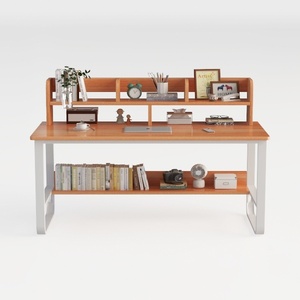

Modern Solid Wood Metal Multi tier Home Office Desk 3D Model
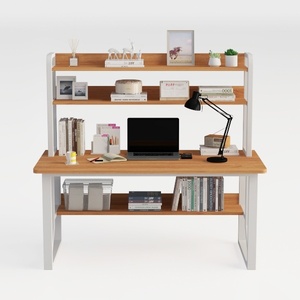
Modern Minimalist Solid Wood Metal Multi tier Home Office Desk 3D Model

Daycare Shelves for Kids, Bookcase with 2 Shelves
Homestyler is an exceptional online home design platform that empowers you to create your dream space effortlessly. With its user-friendly design tool, stunning 3D renderings, inspiring design projects, and helpful DIY video tutorials, you can bring your home design ideas to life, no matter your experience level!
Concevez maintenant gratuitement
































