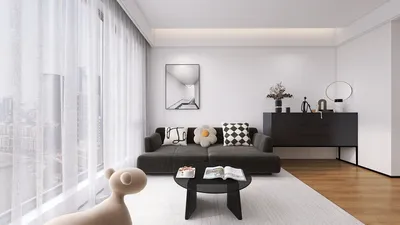


When designing Mid-Century Modern dining rooms, I prioritize warmth, clarity, and comfort on a human scale. The objective is clear: to create an inviting pool of light over the table that enhances both the food and the faces at it, while ensuring that the overall room remains serene and harmonious. This involves a strategic lighting plan, featuring pendant lights as focal points, ambient lighting for a broader fill, and subtle accents, all carefully adjusted for the right illumination levels and color temperature to foster an inviting atmosphere using tools like Homestyler.
Achieving the right lighting metrics is essential in the design process. The WELL v2 guidelines advise maintaining glare control and suitable task illumination; for dining areas, aiming for 200–300 lux at table height creates a relaxed environment where diners can easily appreciate their meals. The Illuminating Engineering Society's (IES) recommendations align closely with this range. I typically maintain a color temperature between 2700–3000K to enhance skin tones and the presentation of food (sources: wellcertified.com; ies.org/standards). Additionally, research from Herman Miller shows that quality lighting—emphasizing balanced contrast and reduced glare—enhances comfort and encourages social interaction, directly impacting how long guests feel comfortable staying in the space (hermanmiller.com/research).
Select a Pendant Light That Reflects MCM Heritage
A distinctive sculptural pendant above the dining table is a hallmark of this style. Shapes like dome, saucer, and globe unmistakably evoke mid-century aesthetics; metal or spun fiberglass shades maintain the authentic look, while opaline glass diffusers provide a gentle illumination. I suggest sizing the fixture to occupy roughly 1/2 to 2/3 of the table width, hanging it 28–34 inches above the surface based on sightlines and ceiling height. Aim for about 200–300 lux on the table with a high Color Rendering Index (CRI of 90+) to ensure that meals appear natural. For tables accommodating six to eight people, consider a multi-globe linear pendant for even light distribution without hotspots.
Adjust Color Temperature and Dimming Options
Utilizing warm-white bulbs (2700K–3000K) preserves the MCM atmosphere. Incorporate a dimmer to transition from bright family meals to cozy evening gatherings. I often recommend 90+ CRI LED bulbs that replicate incandescent warmth while being energy efficient. Mixing color temperatures can create visual discord; aim to maintain consistency among pendants, wall lights, and accent lamps within a 300K range for a harmonious design.
Create Ambient Lighting Without Overwhelming the Character
Ceiling-mounted fixtures or recessed lighting can softly fill the space with ambient light. I ensure that ambient levels are lower than the light pool created by the pendant to highlight the table as the focal point. A symmetrical arrangement of small, low-output recessed lights or a central flush-mount fixture in materials like linen or wood veneer can add to the MCM texture. Controlling glare is crucial; utilize cut-off trim and maintain tight beam angles to prevent direct visibility of the light sources.
Incorporate Wall Sconces to Enhance the Room's Aesthetic
Classic MCM sconces—whether they are conical, perforated metal, or opaline glass—introduce vertical rhythm and soften room corners. Install sconces at a height of 60–66 inches above the floor, aiming for 100–150 lux on adjacent surfaces. Brass, black, or walnut finishes can complement your furniture, while flanking a credenza or artwork with sconces brings balance beyond relying solely on overhead lighting.
Highlight Accents: Shelving, Art, and Plant Life
Integrate small, discreet LED strips under floating shelves or within bar cabinets to create a subtle glow, enhancing depth without overwhelming the dining area. Keep lighting around 2700K, ensuring it’s dimmable and indirect. Use picture lights to accentuate artwork while opting for low-glare, high-CRI varieties to maintain color accuracy. For plants, 3000K lighting helps to keep them looking vibrant and lively.
Material Choices and Managing Glare
MCM lighting celebrates authentic materials—spun metal, glass, wood, and linen. Both diffusers and matte surfaces are essential: opaline globes and fabric shades minimize high-angle glare, allowing eyes to rest comfortably. For glossy tabletops, slightly offset the pendant or select wide diffusers to reduce reflections. If mirrors or glass fixtures are present, adjust lumen output and beam spread to prevent excessive reflections.
Consider Table Shape, Size, and Layout
Function drives form. Round tables harmonize beautifully with a single globe or dome pendant positioned centrally; oval tables often require two pendants or a linear fixture for adequate lighting. Rectangular tables may benefit from linear lights or a cluster of two to three evenly spaced pendants. Before finalizing any installs, consider utilizing a room layout tool to visualize light distribution, traffic flow, and sightlines.
Features of a Room Design Visualization Tool
Set Pendant Height, Beam Angles, and Shadows
I adjust pendant height to ensure clear sightlines across the table and sufficient space for serving. Beam spreads of about 40–60 degrees create a soft edge to the light pool; wider beams can diminish surface detail, while narrower beams enhance contrast. Be aware of chin shadows—employ diffused shades or layered ambient lighting to soften facial features during conversations.
Understanding Color Psychology for a Warm Dining Atmosphere
Warm lighting complements warm colors. Rich hues like walnut, teak, and caramel leathers appear more inviting under 2700K–3000K, while muted greens and ochres contribute to a grounding ambiance. An overview from Verywell Mind on color psychology underscores that such warm shades promote comfort and friendliness, aligning perfectly with the welcoming spirit of MCM design. I ensure that vibrant artwork is balanced with neutral lighting, allowing the pendant to remain the central visual element.
Acoustic Considerations: An Often-Overlooked Element of Lighting
Illuminating a space is futile if it is surrounded by noise. Using fabric shades, cork, wool rugs, and upholstered dining chairs helps to absorb sound frequencies, allowing conversations to flow more easily. Acoustic panels disguised as artwork or wood slat walls can minimize echo. I strive to limit hard, shiny surfaces to reduce visual glare that can amplify sound.
Emphasizing Sustainability and Ease of Maintenance
Opt for LED sources with replaceable components, durable finishes, and sustainably sourced materials. Look for Energy Star certifications or manufacturer details regarding lumen maintenance (L70) and flicker rates. Establishing a straightforward cleaning routine for globes and diffusers is essential, as dust accumulation can significantly diminish light output over time.
Keeping Up with MCM Lighting Trends for 2024–2025
Modern interpretations of classic designs—such as thin-line brass, smoked glass, and textured opal—help keep MCM aesthetics contemporary. Smart dimmers paired with warm-dimming LEDs (ranging from 3000K down to 2200K) can mimic candlelight for evening ambiance. Also, hidden magnetic track systems allow for flexible accent lighting while maintaining the mid-century look.
Practical Checklist for Your Setup
- Aim for lighting levels of 200–300 lux at the table, with a color temperature of 2700K–3000K and CRI 90+.
- Position pendants 28–34 inches above the table surface.
- Implement dimming features for effective day-to-night transitions.
- Ensure ambient light is softer than the table’s direct illumination.
- Manage glare with diffusers, matte finishes, and cut-off trims.
- Harmonize finishes: match brass/black with walnut/teak for cohesion.
- Plan the number of fixtures based on the table's shape and length.
- Layer acoustic treatments with lighting to enhance comfort.
Frequently Asked Questions
What level of illuminance should I target for my dining table?
Around 200–300 lux at the tabletop is ideal, offering comfortable visibility while preserving ambiance. This is consistent with typical IES dining recommendations and adheres to WELL v2 standards for visual comfort.
What color temperature is best for MCM dining spaces?
A temperature of 2700K–3000K creates a warm and flattering environment. Pairing with 90+ CRI bulbs ensures that both food and skin tones appear true to life.
What’s the recommended height for hanging a pendant above a dining table?
Generally, pendants should be hung 28–34 inches above the tabletop. Adjustments may be necessary based on ceiling height and sightlines to avoid glare and obstructed views.
Should I use a single pendant or multiple?
For round tables, a single globe or dome pendant is perfect. Longer rectangular or oval tables typically require a linear multi-light fixture or two to three pendants spaced evenly to prevent dark areas.
How can I effectively manage glare?
Incorporate diffusers (like opal glass or linen), utilize matte finishes, and keep high-angle brightness low. Choosing fixtures with good shielding or cut-off trims for additional downlights can also mitigate glare.
Is it possible to mix warm-dimming LEDs with standard warm-white bulbs?
Absolutely, provided the warm-dim range fits within your overall lighting plan (e.g., ranging from 2200K to 3000K). Consistency in CRI is key, so avoid drastic variations in color temperatures within the same view.
What CRI rating should I select for dining environments?
A CRI of 90+ is recommended to accurately render food and material colors—especially important for the wood, leather, and artwork often found in MCM settings.
Any advice for improving acoustic comfort in the dining area?
Incorporate elements like fabric shades, rugs, upholstered seating, and soft wall treatments. These items help absorb sound, allowing for more relaxed conversations under gentle lighting.
How should I plan the layout prior to purchasing fixtures?
Outline the table dimensions, circulation pathways, and proposed pendant locations, then simulate the beam spreads. A tool for visualizing layouts can help clarify spacing, sightlines, and shadow dynamics.
Are smart dimmers a worthwhile investment?
Definitely. They facilitate scene-setting for everything from lively family meals to intimate evenings, and warm-dimming bulbs can emulate the cozy fade-out seen with incandescent lighting.
What materials epitomize MCM design?
Brass, blackened metal, opaline glass, and accents made from teak or walnut combined with linen shades are quintessential. Avoid overly reflective chrome unless it complements other warm textures.
How can I prevent harsh reflections on a glossy table?
Select wide diffusers, utilize lower light output, or adjust the pendant slightly off the reflective direct line. Matte runners or placemats can also help mitigate reflections.

Looking to transform your home design ideas into reality? Homestyler is your go-to online platform! With its user-friendly design tool, stunning 3D renderings, and a wealth of inspiring video tutorials, you can effortlessly create your dream space—even if you're a total beginner!
Design Now for FREE
































