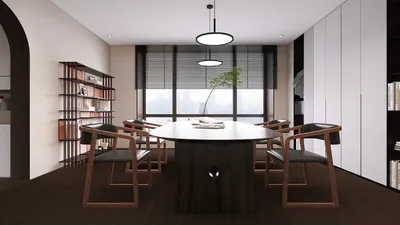


I once attached strip LEDs to a bookshelf in the wrong orientation and only realized it when my partner remarked that the books appeared to be glowing from below—definitely an inexperienced mistake. However, it taught me an essential lesson about light direction and scale. In confined spaces, clever lighting choices become crucial; a single LED strip can serve as a mood light, task illumination, or even mimic a tiny skylight when positioned effectively. This experience clarified the importance of visualizing room dimensions using quick sketches or software tools like Homestyler.
1. Under-cabinet strips for improved task visibility
I choose warm 3000K LED strips to place beneath cabinets, effectively minimizing shadows on countertops—this budget-friendly solution makes nighttime cooking much easier. The advantage is immediate task lighting that enhances aesthetics, while the drawback is the need for good diffusion and a tidy channel to prevent visibility of the light spots.
save pin
2. Cove lighting to enhance room dimension
In a compact living area, I created a shallow cove above the sofa, concealing dimmable LED tape inside. This setup made the ceiling appear taller and added a luxurious feel to the room. While it may be a bit pricier due to profiles and drivers, the perceived increase in space is significant, and you also have the option to change colors for various atmospheres.
save pin
3. Integrated shelf lighting for both aesthetics and function
For bookcases and open shelves, I prefer installing narrow 4mm LED strips directed downward to evenly illuminate each shelf without causing glare. This method not only highlights decorative items but also improves practical visibility. However, if you’re retrofitting for a clean finish, the wiring can become complex, so it’s wise to plan your power access from the get-go—using a mockup in a kitchen layout can help you visualize lighting angles and shadows.
save pin
4. Battery-operated LED bars for versatile lighting
Battery-powered LED bars are ideal for renters; clamp one beneath a cabinet or attach it to a shelf and remove it when focused lighting is needed. While these solutions can’t match the durability of hardwired LEDs, they offer a reversible installation and can provide surprising brightness for small-scale projects.
save pin
5. Backlighting for TVs and mirrors to alleviate eye strain
Installing RGBW strips behind TVs or mirrors creates a soft halo effect that reduces contrast while also adding a unique glow—it's a DIY-friendly and cost-effective enhancement. You'll want to ensure color accuracy if you're using a backlit mirror for makeup purposes, but it significantly enhances ambiance; for deeper insights, I sometimes utilize a quick rendering in Homestyler to visualize how the halo light interacts with surrounding surfaces.
save pin
FAQ
Q1: What color temperature is best for DIY LED kitchen lights?
For kitchens, I typically recommend a color temperature between 3000K to 3500K to create a warm, neutral ambiance that flatters both food and skin tones. Cooler temperatures (4000K and above) tend to seem too clinical, whereas anything below 2700K might appear overly amber for functional areas.
Q2: Are LED strips efficient in terms of energy consumption?
Yes, LED lights consume significantly less energy than traditional incandescent bulbs and have a longer lifespan, reducing how often you need replacements and minimizing heat output—this is a great advantage for DIY projects on a budget.
Q3: How can I conceal wiring during strip installation?
Utilize aluminum profiles fitted with diffusers while routing power behind cabinets or through hollow shelves to keep wiring out of sight; planning your power access in advance can save you from extensive retrofitting later.
Q4: Is it possible to dim LED strips?
Most LED strips can be dimmed, but they often require compatible dimmers or drivers; make sure to check if your selected LED needs PWM dimming or a constant current driver to avoid flickering issues.
Q5: Are RGB LED strips safe for everyday use?
Yes, as long as they come from reputable manufacturers and include proper heat dissipation features, plus you're careful not to overload the power supply. For longer runs, monitor voltage drop and consider injecting power at intervals to ensure optimal performance.
Q6: What’s the best way to assess strip placement before making it permanent?
Using temporary tape and battery-powered strips lets you trial different locations; I also suggest creating quick digital mockups using tools like Homestyler to visualize the lighting impact, which saves both time and unnecessary glue cleanup.
Q7: Do LED lights offer environmental benefits?
LEDs are more energy-efficient and do not contain mercury, making them a more environmentally friendly option compared to fluorescent lights. For detailed energy savings and longevity information, refer to Energy Star’s guidelines: https://www.energystar.gov/products/lighting_fans/led_light_bulbs.
Q8: Where can I find inspiration and layout ideas for a small lighting project?
Start by making simple sketches and photo mockups, then explore online resources and case studies that can enhance your planning for placement, wiring, and visual elements—often, seeing a rendered concept can help identify potential shadow problems you might overlook otherwise.
save pin
Homestyler is your go-to online home design platform, perfect for anyone looking to create stunning spaces. With its user-friendly design tool, impressive 3D renderings, diverse design projects, and helpful video tutorials, you can effortlessly bring your vision to life and transform your home today!
Diseño ahora GRATIS
































