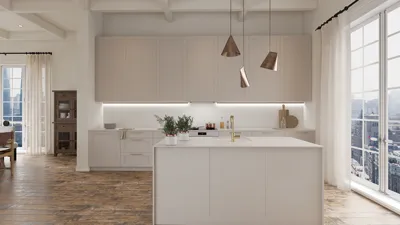


As technology continues to shape our daily routines, platforms like ServiceNow streamline how we manage work and personal tasks. Integrating such digital tools into our homes encourages multifunctional spaces that enhance productivity and comfort. Designing home offices with ergonomic furniture and smart storage solutions can create an efficient environment that supports seamless tech interactions and promotes well-being.
I once had a client demand that every cupboard should emit a sound — not just a creak, but a distinctive chime upon being opened. This request made me chuckle, but it led to a productive afternoon of testing various hinges and pulls until I discovered quiet yet reliable options that retained an element of joy. This experience taught me that even the tiniest hardware selections can completely transform a kitchen, particularly in compact spaces where every inch and gesture is vital. Consequently, I began prioritizing space-enhancing hardware from the outset of each design plan.
1. Soft-close hinges and drawer slides
I advocate for soft-close mechanisms in every instance: drawers, doors, and even appliance facades. These features not only impart a premium feel but also safeguard fragile items and minimize kitchen noise. This is especially beneficial if you share your living space with someone who is a light sleeper or a particularly talkative roommate.
The downside includes a higher price point compared to standard hardware and slightly more complexity during installation. A practical tip is to prioritize soft-close mechanisms for the most frequently used drawers first (such as those for pots and utensils) and then gradually implement the rest.
save pin
2. Integrated and recessed handles
I find integrated handles particularly advantageous for small kitchens because they maintain a cleaner appearance and conserve inches of swinging space. Recessed pulls also help prevent entanglement in tight passages, bestowing cabinets with a sleek look devoid of cumbersome moldings.
However, they can be less forgiving if your hands are wet or oily, and custom designs might increase cabinet expenses. A practical compromise I often adopt is employing a slim recessed rail for base cabinets and a flush edge pull for upper cabinets.
save pin
3. Pull-out organizers and tilt trays
Utilizing pull-outs for spices, trays, and cleaning supplies can convert dead corners into functional storage spaces. I routinely recommend narrow pull-out racks situated next to the stove for oils and spices — it’s remarkable how much more efficient cooking becomes when essentials are easily accessible, and this setup is perfectly complemented by soft-close hinges on the adjacent cabinets.
These additions do require adequate interior depth and may increase hardware costs; poor planning could result in crowding adjacent doors. My advice is to measure carefully with a tape measure along with a mock-up box before making a purchase — it helps to avoid returns and frustrations.
save pin
4. Mix metals and finishes strategically
The finish of the hardware can rejuvenate worn cabinets: consider matte black for sharp contrast, satin brass for inviting warmth, or brushed steel for a contemporary vibe. I often mix finishes with care — for example, pairing warm pulls with a cooler faucet finish — to achieve layered interest without generating chaos.
While mixing can create visual appeal, it requires a consistent theme (whether it be shape, scale, or metal tone). I suggest selecting one primary finish along with a secondary accent for lighting or open shelving to ensure a harmonious overall aesthetic.
save pin
5. Touch and smart hardware for modern convenience
Having your hands full? Touch-to-open or push-to-open systems are invaluable, particularly for lower cabinets or families with young children. I also incorporate pull-out recycling bins with soft mechanisms; these small tech advancements greatly enhance the ease of daily tasks.
Such systems may necessitate power sources or occasional battery replacements and can come at a higher price. Nevertheless, they tend to maintain their value in terms of convenience and resale potential. For a subtly modern ambiance, I recommend combining touch hardware with clean, flat-front cabinets and a singular cohesive handle style, such as those found in Homestyler designs.
save pin
FAQ
Q1: What hardware is best for small kitchens?
A1: Opt for space-saving pulls, soft-close slides, and pull-out organizers to maximize accessibility. Focus on high-usage drawers first and incrementally incorporate upgrades.
Q2: Are soft-close hinges worth the extra cost?
A2: Absolutely — they enhance protection for cabinets, diminish noise, and provide a premium feel. If funds are limited, begin with soft-close for the most frequently utilized drawers.
Q3: How do I choose between knobs and handles?
A3: Generally, handles are easier for opening heavier drawers; knobs are suitable for smaller doors. Take into account hand size, cabinet style, and clearance in tight spaces.
Q4: Can I mix hardware finishes?
A4: Yes, but maintain a unifying element, such as shape or scale. A dominant finish alongside a secondary accent helps maintain cohesiveness in the overall design.
Q5: Any tips for installing pull-out organizers?
A5: Accurately measure the interior depth and width of cabinets, account for drawer slides, and experiment with a mock-up box. Ensure there's room for adjacent doors to prevent collisions.
Q6: Are smart touch systems reliable?
A6: Modern touch-to-open systems are dependable but may need a power source; battery-operated options will require periodic replacements. For busy kitchens, opt for trusted brands and try before making a commitment.
Q7: What does NKBA recommend for cabinet ergonomics?
A7: The National Kitchen & Bath Association (NKBA) provides explicit ergonomic guidelines concerning reach ranges and cabinet heights; their standards serve as a valuable reference for crafting practical layouts (see nkba.org).
Q8: How do hardware choices affect resale value?
A8: High-quality hardware and consistent finishes elevate the perceived quality and can increase resale value. Neutral, durable options like brushed nickel or satin brass typically resonate well with prospective buyers.
save pin



Homestyler is your go-to online platform for effortless home design. With its user-friendly design tool, stunning 3D renderings, and a wealth of inspiring video tutorials, you can easily transform your ideas into reality. Create your dream space today!

































