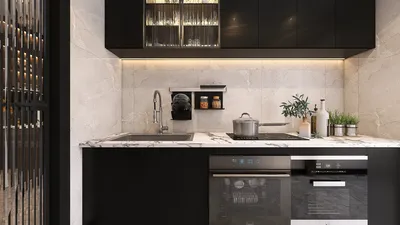


I view a kitchen chimney as a vital appliance that not only performs but also acts as a central design element. When it is properly maintained and thoughtfully placed in the kitchen layout, it provides cleaner air, quieter operation, longer lifespan for the motor, and a more efficient cooking experience. The WELL Building Standard highlights the connection between improved indoor air quality and enhanced comfort along with cognitive performance (WELL v2 Air Concept). Further, research from Herman Miller demonstrates that ensuring the right equipment height and reach minimizes strain, which directly correlates with the strategic placement of chimney hoods and easy access for maintenance.
Sound and illumination significantly influence the perceived quality of a kitchen. The Illuminating Engineering Society suggests maintaining task lighting levels of 300 to 500 lux for food preparation areas to mitigate errors and eye fatigue (IES standards). Psychologically, the choice of colors significantly impacts stress levels and concentration; utilizing softer neutral hues with warmly toned undertones can effectively lower arousal levels as indicated in color psychology findings. These components work more effectively when the chimney is regularly cleaned, filters are active, and the duct run is optimized—steps that enhance capture efficiency and reduce noise.
Essential Inspection: Key Aspects of a Quality Kitchen Chimney Check
When assessing a chimney service center nearby, I prioritize finding technicians who view the entire system holistically, rather than focusing solely on the filters. A comprehensive service should encompass: (1) Filter maintenance—removal and cleaning of baffle or cassette filters; (2) Cleaning the impeller and housing—removing grease build-up for improved airflow and reduced noise; (3) Duct integrity examination—looking for kinks or excessive bends that may hamper performance; (4) Motor bearings and vibration analysis—ensuring mounts are tightened to prevent noise; (5) Electrical safety inspection of wiring and control panels; (6) Updating light sources—changing dim or flickering task lights to retain adequate task illumination; (7) Checking seals and backdraft dampers—ensuring they prevent outside air and pests. A service center that tracks airflow readings before and after service provides tangible, measurable outcomes for users.
Design and Capture: Prioritizing Performance
Capture effectiveness is a blend of design and maintenance considerations. I recommend that the hood’s width matches or exceeds the cooktop dimension by 3 to 6 inches, with a capture depth that is at least half the front-to-back dimension of the burners. The mounting height is typically set between 26 to 30 inches above the cooking surface for most household hoods, adaptable according to power, model, and manufacturer guidelines. If you're designing a new kitchen or renovating, it's advisable to use tools like room layout planners to visualize the hood's reach, duct path, and sightlines before finalizing your cabinetry.
Ducting Insights Revealed Through Service
Service visits commonly uncover issues leading to inadequate suction: prolonged horizontal runs, excessive 90-degree bends, undersized duct diameters, or flexible foil ducts that may collapse over time. I prefer rigid, smooth metal ducts sized appropriately to the chimney’s outlet, generally ranging from 6 to 8 inches for residential units, ensuring the most direct route to the outdoors. Where permitted, terminations on roofs or walls should appropriately feature a weighted backdraft damper along with an external cap to prevent moisture and grease infiltration. Seams must be sealed using foil tape for optimal airflow preservation and grease leak prevention.
Types of Filters and Maintenance Schedules
Baffle filters are robust and suitable for high-grease cooking, while cassette or aluminum mesh filters are lighter but prone to faster clogging; carbon filters serve recirculating models and require periodic replacement. For homes that frequently cook using high heat or frying, I advise cleansing baffle or mesh filters every 2 to 4 weeks. In contrast, recirculating carbon filters typically need replacing every 3 to 6 months, contingent on the manufacturer’s recommendations and usage intensity. An efficient service center should document your filter type, service dates, and suggested replacement intervals to keep performance optimal.
Sound Management: Design, Maintenance, and User Behavior
Noise results from the quality of the motor, duct friction, and vibrations. Regular maintenance can reduce friction by cleaning the blower and filters while tightening the mounts. Design considerations can minimize sound as well; avoiding excessive bends and ensuring the correct duct diameter helps. Additionally, behavioral adjustments—like starting the hood 3 to 5 minutes prior to cooking for effective airflow and then reducing speed once steam is controlled—can also make a difference. In open-plan kitchens, I recommend selecting hoods with remote inline or external blowers to reduce noise levels in cooking zones, complementing this with soft-close hardware and sound-absorbing textiles around dining areas for enhanced comfort.
Lighting Integration with the Chimney
Even the best-maintained hood can underperform if the lighting is inadequate. I aim to align task lights with the front burners and incorporate under-cabinet illumination to meet the IES recommendation of 300 to 500 lux at the counter. A color temperature between 3000K to 3500K creates accurate and warm food visuals, steering clear of glare issues. Service appointments are an ideal time to upgrade bulbs or LED modules, assess diffusers for yellowing, and ensure the light output doesn't create harsh reflections on shiny backsplashes.
Ergonomics, Reach, and Cleaning Accessibility
User comfort plays a crucial role in how diligently homeowners care for their hoods. If the hood is positioned too high or deep, regular cleaning of filters may be neglected. I position controls for easy access without excessive stretching involved. Research indicates that maintaining neutral postures can alleviate fatigue; thus, in a kitchen, this translates to filter clips that are easily released, clearances that don't necessitate leaning over heated surfaces, and a service pathway that allows technicians to access the blower without needing to dismantle a significant portion of the kitchen.
Selecting a Quality Service Center Nearby
Here’s my assessment checklist: (1) Certified technicians familiar with various brands; (2) Data-driven maintenance—review airflow readings, noise logs, and before/after photographs; (3) Availability of common parts; (4) Clear pricing and defined service scope; (5) Safety-aware strategies—ensuring power isolation, protective coverings for floors, and suitable degreasers; (6) Suggestions for duct improvements beyond just filter cleaning. It’s beneficial to inquire about their response times and methods for handling urgent smoke or odor situations. A dependable service center will also provide reminders for filter replacements and offer optional deep-clean packages for households with heavy usage.
Performance Metrics You Can Monitor
Post-service, you should observe: consistent smoke capture at medium speeds, reduced noise levels, enhanced and even task lighting, minimized lingering odors, and no rattles during startup or shutdown phases. If you frequently use spices or high-heat techniques, check for lingering odors the following morning; if your kitchen still smells like the previous evening’s meal, it may indicate inadequate airflow or ineffective carbon filtration. Monitor the time it takes for steam to disperse after boiling water; improvements in this area suggest substantial gains in duct efficiency and blower cleanliness.
Material and Finish Options Around the Chimney
Grease is relentless. I recommend backsplashes made of low-porosity materials—like glazed tiles, stainless steel, or sealed stone—to ensure that cleanliness lasts longer after maintenance. For cabinetry surrounding the chimney, using durable finishes and heat-resistant edge banding can prevent issues with delamination. If the hood is designed to be a focal point, it's vital to balance weight and visual rhythm; for example, pairing a robust chimney with slimmer open shelving or vertical tiling can help maintain an appealing proportional feel. Matte finishes near the hood can diminish glare from task lighting and foster a serene visual atmosphere.
Real-Life Behavioral Patterns in Kitchen Design
Each home has its own cooking rhythm—be it quick weeknight meals, extensive weekend cooking, or midnight snacks. Therefore, I ensure that the chimney controls align conveniently with the user’s dominant hand when reaching for front burners. Utilizing hooks or dedicated spaces for quick-cleaning cloths can simplify filter maintenance. For those who engage in batch-cooking, syncing service timelines with your grocery schedule can ensure your kitchen maintains peak performance when required. A capable service center can adjust service visits to coordinate with your cooking calendar effectively.
Notes on Energy Efficiency and Sustainability
A well-maintained system operates with enhanced efficiency. Reduced resistance allows lower fan speeds to provide effective capture, thereby decreasing energy consumption and noise levels. Opt for LED task lighting with a high Color Rendering Index (CRI) of 90 or more to ensure accurate food representation while minimizing power consumption. Whenever possible, select hoods featuring efficient brushless DC motors and designs that limit standby energy use. Environmentally conscious degreasers and responsible disposal of saturated filters can keep your maintenance practices aligned with sustainability objectives.
Designing a Retrofit or New Kitchen
If you’re reevaluating the triangular relationship between the cooktop, sink, and refrigerator, I suggest conducting quick layout simulations to verify clearances for hood depth, duct routing, and clearance for overhead cabinets using an interior layout tool. Use painter’s tape to visualize proposed heights to ensure optimal sightlines beneath the hood, particularly in open kitchens where visibility to dining or living areas is crucial. Seize this opportunity to integrate the hood into the overall design theme—metal finishes suit contemporary styles, while plastered finishes are perfect for minimalistic looks and wood-wrapped hoods work beautifully for transitional spaces.
Quick Maintenance Tips Between Professional Servicing
- Operate the hood for 3 to 5 minutes before cooking and continue for 10 to 15 minutes post-cooking.
- Weekly cleaning of the hood’s underside helps prevent grease from hardening.
- Clean baffle or mesh filters monthly for frequent cooks; increase frequency for heavy frying routines.
- Check and replace lights quarterly in pairs to ensure consistent color output.
- Be alert for any new vibrations or rattles, which can indicate loose mounts or equipment imbalance.
Frequently Asked Questions
Q1. How frequently should I arrange for professional chimney service?
A1. For general home cooking, a service every 6 to 12 months is effective. Homes that operate heavily with high heat or frequent frying should consider the interval of every 3 to 6 months. Consult your service center to customize a schedule tailored to grease load and airflow metrics.
Q2. What CFM rating is actually necessary?
A2. CFM should be matched to your cooktop size, cooking methods, and duct layout. Standard 30 to 36-inch residential cooktops typically perform well within the range of 350 to 600 CFM for regular cooking tasks. More challenging cooking styles, such as high-heat or wok use, may necessitate higher CFM, but duct integrity and hood capture area are equally crucial to effectiveness as raw CFM figures.
Q3. Is it better to choose a ducted hood over a recirculating one?
A3. Ducted systems vent both moisture and heat outside, generally outperforming recirculating systems in odor and humidity control. Recirculating hoods can be practical when ducting isn’t an option—just ensure timely replacement of carbon filters and keep mesh filters clean for optimal performance.
Q4. What is the ideal installation height for the hood?
A4. Most residential hoods are positioned around 26 to 30 inches above the cooktop, but adjustments should be made following manufacturer instructions and considering user stature. A height that’s too elevated can diminish suction, while an overly low installation can obstruct sightlines and create a cramped feeling.
Q5. Why does my hood still generate noise despite being cleaned?
A5. Potential culprits include undersized or restricted ducts, worn motor bearings, loose mounts, or an inline damper that may be partially stuck shut. Consult your service center to measure static pressure and identify if vibration is being transmitted through cabinetry.
Q6. Can lighting upgrades occur during service?
A6. Absolutely. Technicians can replace halogen lights with LED modules providing superior output and color rendering, while also adjusting beam spread to ensure approximately 300 to 500 lux levels at the task area as recommended by IES standards.
Q7. Which finishes are best suited for the area around a chimney?
A7. Opt for low-porosity and easy-to-clean surfaces such as glazed tiles, stainless steel, or sealed quartz. Avoid using unfinished woods or open-pore stones directly behind cooking zones unless they've been adequately sealed and maintained.
Q8. How can I swiftly assess a service center's quality?
A8. Request a written scope of service detailing filters, blower, duct, electrical aspects, damper, and lighting aspects, along with before and after photos and airflow/noise readings. A reliable center will provide recommendations that extend beyond mere cleaning, focusing on duct improvements as well.
Q9. Will a more powerful hood resolve poor capture issues in an open kitchen?
A9. Not necessarily. Factors such as the capture area, mounting height, crosswinds, and duct quality can limit the effectiveness. Consider whether a larger hood canopy, wind management solutions (to prevent strong cross-drafts), and straightened ducts may provide more benefits than simply increasing CFM.
Q10. Do color selections influence the perceived busyness of a kitchen?
A10. Indeed. Utilizing balanced, low-gloss neutrals with warm undertones can create a calmer atmosphere and alleviate glare. Pair these choices with consistent warm-white lighting (in the range of 3000K to 3500K) for visual comfort, in line with insights from color psychology.
Q11. Should I continue running the hood after cooking?
A11. Yes, keeping it operational for 10 to 15 minutes post-cooking helps eliminate residual humidity and odors. Gradually reducing to a lower speed can minimize noise while completing this task effectively.
Q12. What is the recommended ducting material?
A12. Rigid, smooth-walled metallic ducting that matches the chimney outlet size (typically 6 to 8 inches) and has minimal bends is ideal. Ensure it's sealed with foil tape and incorporates a reliable backdraft damper at the termination point.
Homestyler is the ultimate online home design platform for anyone looking to transform their space. With its user-friendly design tool, stunning 3D renderings, diverse design projects, and helpful video tutorials, you can effortlessly create and visualize your dream home. Let your creativity shine!
Design Now for FREE
































