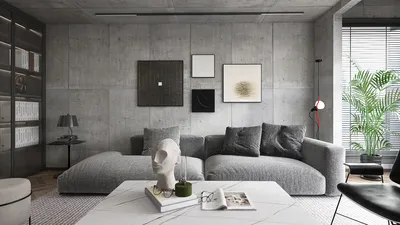


Through my experiences, I have realized that a single term can completely change the direction of a meeting. In Karnataka, clients often alternate between terms such as ‘ಕೋಣೆ’ (koṇe), ‘ಕೊಠಡಿ’ (koṭhaḍi), or ‘ಒಡಲು’ (oḍalu) when referring to a room. Each word carries its own implications—pertaining to privacy, functionality, or its cultural context—which can significantly influence project designs, budget allocations, and finishing details. Integrating tools like Homestyler can help in visualizing these spaces effectively.
Attention to detail is crucial: studies conducted in workplaces indicate that the way we use language impacts performance directly. For instance, Gensler’s U.S. Workplace Survey highlights that merely 43% of employees feel their workspace promotes productivity without distractions, emphasizing the importance of clearly defined spaces and their functions. Additionally, the Illuminating Engineering Society suggests maintaining about 300–500 lux for general residential tasks, with even higher levels recommended for specific work areas. Such standards critically shape our understanding of spaces like a study room compared to a living room. Furthermore, the WELL v2 framework stresses managing light and sound to lessen stress levels—vital considerations when a client requests a “quiet room.”
Associations with color can vary based on the intended use of a room. According to Verywell Mind, blue shades can enhance focus and tranquility, while warmer tones can feel welcoming but may increase energy levels. This distinction is particularly relevant when differentiating between a ‘ಮಕ್ಕಳ ಕೋಣೆ’ (children’s room) and a ‘ಧ್ಯಾನ ಕೋಣೆ’ (meditation room). I also take into account ergonomics research from Herman Miller, which connects posture and adjustability to long-term comfort, guiding the distinction between a ‘study room’ and a ‘home office’—terms that may get confused in translation yet require specific furniture and lighting.
Essential Kannada Terms Designers Need to Understand
• ಕೋಣೆ (koṇe): A general term for room; this is neutral and broadly utilized, with context determining its function—e.g., ಮಲಗುವ ಕೋಣೆ (bedroom), ಅಭ್ಯಾಸ ಕೋಣೆ (practice room).
• ಕೊಠಡಿ (koṭhaḍi): Typically used for a more formal or enclosed space; often found in official or rental scenarios (e.g., one-room set).
• ಹಾಲ್ / ಬಾಳುಗೃಹ (hāll/bāḷugṛha): Refers to a living room; ‘ಹಾಲ್’ is commonly used in everyday conversations, while ‘ಬಾಳುಗೃಹ’ is more formal and literary.
• ಮಲಗುವ ಕೋಣೆ (malaguva koṇe): This means bedroom, signifying privacy and elements like acoustic separation and lighting options that can block out unwanted light.
• ಅಡುಗೆಮನೆ (aḍugemane): Denotes a kitchen; this term brings to mind aspects like good ventilation, durable materials, and hygiene considerations.
• ಊಟದ ಕೋಣೆ (ūṭada koṇe): This translates to a dining room; plans for this space should consider flow to the kitchen and allow for proper movements (90–110 cm around the table).
• ಸ್ನಾನಗೃಹ / ಬಾತ್ ರೂಂ (snānagṛha/bathroom): Reflects a bathroom; with an emphasis on waterproofing and preventing slips.
• ಅಧ್ಯಯನ ಕೋಣೆ / ಸ್ಟഡി ರೂಂ (adhyayan koṇe/study room): Indicates a study area; requires specific lighting and ergonomic considerations (work surface height of 720–760 mm).
• ಧ್ಯಾನ ಕೋಣೆ (dhyāna koṇe): Refers to a meditation space; it calls for low glare, warm dim lighting (2700–3000 K), and sound-dampening features.
Design Considerations: From Vocabulary to Layout
When clients indicate “ಕೋಣೆ,” I delve deeper into the intended function, the number of occupants, and how the space will be used at different times of the day. For example, a “study room” might imply a focused workspace for one student or a shared reading area for several individuals. I clarify the type of doors (swing or sliding), openness of the space, and what acoustic qualities are expected. For areas referred to as ‘ಹಾಲ್,’ I evaluate seating arrangements and visual lines to televisions and windows to establish a cohesive rhythm and spatial balance; a visual weight distribution of 60:40 between seating and circulation spaces ensures harmony.
When designing layouts, I quickly draft multiple scenarios and map out how people will move through the space. If collaborating directly with clients, utilizing a room layout tool like Homestyler can effectively illustrate furniture arrangements and natural light accessibility, particularly when ‘ಕೋಣೆ’ serves dual purposes as both a guest area and a study.
a room layout tool
Illuminating, Color Choices, and Comfort for Various Room Types
• Living Room (ಹಾಲ್): Aim for layered lighting—ambient levels should be around 200–300 lux, complemented by task lamps for reading and accent lighting to showcase artwork; ensure a low Unified Glare Rating to reduce eye strain. Color choices should include warm neutrals with one saturated highlight to keep the atmosphere stable throughout the day. Incorporating acoustic rugs and soft furnishings helps absorb sound reverberation.
• Bedroom (ಮಲಗುವ ಕೋಣೆ): Responding to circadian rhythms, this room should feature 2700–3000 K lights in the evening, blackout capabilities, and ambient lighting levels around 100–150 lux before sleep. Closet placements should be mindful of minimizing noise; ideally, the wall with the headboard faces away from high traffic areas. It's crucial to maintain a bedside clearance of 600–750 mm for comfort.
• Study/Home Office (ಅಧ್ಯಯನ ಕೋಣೆ): Target around 500 lux on the desk surface with an adjustable task lamp, while neutral-white lighting at 4000 K improves document contrast. The desk height should be maintained at 720–760 mm, with chairs providing lumbar support; monitor tops should be positioned at or just below eye level. Controlling background noise is essential—aim for levels below NC-30 to enhance focus.
• Kitchen (ಅಡುಗೆಮನೆ): Ensure task lighting levels of 500–750 lux over counters, with a Color Rendering Index (CRI) of 90 or higher for true food colors; durable and easy-to-clean materials should be used around the cooking area. Efficient ventilation and proper organization of work areas are crucial, with aisle widths of 1000–1200 mm when two people are using the space.
• Dining Area (ಊಟದ ಕೋಣೆ): Pendant lights should be set at 2700–3000 K, ideally dimmable, and hung 750–850 mm above the table; ensure there is 900–1100 mm clearance for movement around chairs. Using warm colors can enhance the conviviality of the space, and reflective surfaces should be tempered to minimize glare.
• Meditation Room (ಧ್ಯಾನ ಕೋಣೆ): Lighting levels should be between 50–150 lux, featuring low-contrast palettes and natural materials to foster serenity; soft surface materials are encouraged, as is controlling exterior noise to achieve levels under 30 dBA when achievable.
Space Planning Considerations: Kannada Terms in Design Briefs
Clients might refer to a space as a “one-room set,” but they could intend a 1BHK (bedroom-hall-kitchen) configuration. I clarify whether the term “ಹಾಲ್” encompasses dining or if they desire a separate ‘ಊಟದ ಕೋಣೆ.’ When a brief requests a ‘ಗೇಸ್ಟ್ ಕೋಣೆ’ (guest room), I suggest considering a Murphy bed to maximize functionality during the day when it needs to double as a study area. For compact apartments, I prefer sliding doors (900 mm panels) fitted with soft closers that help maintain corridor space. Creating spatial rhythm by incorporating repeated vertical elements like bookcases or pilasters can make smaller rooms feel well-structured.
Cultural Norms and Behavioral Insights
Numerous Kannada-speaking households value having a puja or meditation corner. I plan its placement to avoid major pathways and mechanical noise. Traffic patterns often increase around the kitchen and dining areas; thus, I ensure that hot surfaces are not in reach of children and use corner guards around breakfast counters. In households with elderly residents, I implement higher ambient light levels (300–500 lux), reduce glare, and ensure that bathrooms have 900 mm wide doors and 1500 mm turning spaces to accommodate future needs.
Materials and Sustainability Considerations
In living rooms and bedrooms, utilizing FSC-certified wood veneers, low-VOC paints, and textiles made from natural fibers can significantly enhance indoor air quality. Kitchens benefit from using durable materials like quartz or sintered stone; textured porcelain in wet areas can help reduce slip hazards. Incorporating rugs with felt underlays improves acoustic comfort. I find a balanced lighting approach that combines cooler daylight with warmer materials will help maintain consistency from morning through evening.
Understanding Color Psychology in Kannada Room Terminology
When a client requests a tranquil ‘ಧ್ಯಾನ ಕೋಣೆ,’ I often lean towards using subdued blues and greens alongside matte finishes. For ‘ಮಕ್ಕಳ ಕೋಣೆ,’ I integrate bold colors in targeted areas, such as the headboard or study nook, ensuring flexibility for future adaptations. In ‘ಅಧ್ಯಯನ ಕೋಣೆ,’ I utilize accent hues like muted teal to stimulate focus without overwhelming the senses.
Acoustic Considerations and Human Factors
In many apartments, bedrooms share walls with living spaces; I add resilient channels or soft backing on wardrobes that adjoin common walls. For study rooms, I aim for reverberation times between 0.4 and 0.6 seconds. Installing door sweeps and sealing perimeters can help mitigate noise issues. For desks, I maintain a minimum clearance of 900 mm behind seating; in dining areas, an allowance of 600 mm for chair movement plus 300–500 mm for general circulation enables smooth movement.
Translating Client Terminology into Design Drawings
I make it a point to note vocabulary from the beginning: if a client uses ‘ಕೊಠಡಿ’ for all spaces, I label rooms in both English and Kannada within the plan and verify functionalities with images or mood boards. I also create alternative designs: an enclosed study versus an open niche; living areas with media walls versus art walls; guest rooms with daybeds versus fold-down beds. Using a room design visualization tool can assist clients in making quick decisions when their terminology may vary.
Establishing Authority Standards for Wellbeing and Quality
If questions arise regarding light brightness or fatigue, I refer to IES recommended practices for residential lighting levels. Similarly, I invoke WELL v2 guidelines pertaining to visual comfort and noise management. For rooms requiring intense focus, I rely on ergonomic insights from Herman Miller related to seated work to indicate chair adjustable options and monitor placements. These references help avoid any misalignment, especially when a brief simply states a need for a “better study room.”
Practical Checklist for Kannada Room Descriptions
• Document the precise term used (ಕೋಣೆ, ಕೊಠಡಿ,ಹಾಲ್) and its related function.
• Confirm the expected users, activities, and time-of-use.
• Target lighting specifications (lux, CCT), glare management, and dimmable options.
• Clarify furniture spacing and ergonomic dimensions.
• Address acoustics: partitions, soft materials, and door sealing.
• Plan for flexible storage solutions (like sofa beds and foldable desks).
• Ensure materials are hygienic and certain areas are slip-resistant.
• Account for cultural elements, including puja or meditation spacing.
• Provide two layout alternatives and a quick visualization using a layout simulation tool.
Frequently Asked Questions
The term ಕೋಣೆ (koṇe) is the broadest and most commonly accepted term used. On the other hand, ಕೊಠಡಿ (koṭhaḍi) also appears, generally in more formal or rental contexts. Always pair these terms with their intended function.
Living rooms are best designed to function with ambient lighting around 200–300 lux, while studies require about 500 lux at the working surface, with neutral-white (about 4000 K) task lighting to maintain focus and contrast, aligning with IES recommendations.
Using muted blues, greens, and warm neutrals with matte finishes can effectively diminish glare and visual disturbances. Keeping lighting levels low (50–150 lux) along with warmer color temperatures supports relaxation.
Incorporate soft-storage options (like wardrobes) against shared walls, apply door seals and sweeps, and consider resilient channels with acoustic insulation to decrease sound transmission.
For desk height, aim for 720–760 mm, with monitor tops at or just beneath eye level, an adjustable chair with lumbar support, 500 lux of task lighting, and at minimum, 900 mm of clearance behind the chair.
Indeed, many do, but it's always best to confirm. Numerous clients often merge dining functions with the hall; however, if a separate ‘ಊಟದ ಕೋಣೆ’ is preferred, this will influence circulation and lighting considerations. I suggest planning for 900–1100 mm space around the dining table.
Utilize slip-resistant porcelain, appropriate waterproofing, graded drainage systems, and moisture-resistant materials. Warmer lighting (2700–3000 K) combined with a CRI of 90 or above enhances comfort and visibility.
Features such as a wall bed, quality sofa bed options, or fold-down desks complemented by layered lighting should be prioritized. Storage solutions should be integrated vertically to maximize available floor space.
While a study generally caters to reading and homework with simpler technology, a home office requires efficient cable management, monitor arms, acoustic treatments for calls, and more specialized task lighting.
Implement layered window coverings (sheers with blackout options), matte finishes on media walls, indirect illumination, and position televisions perpendicular to windows wherever feasible.
The WELL v2 standard underscores visual comfort, sound management, and controllability. Implementing dimmers, task-specific lighting, and noise control strategies can align any room, whether it's meant for study or meditation, with wellness objectives.
Prepare two to three labeled layout options featuring annotations in both English and Kannada, alongside expedited 3D visual presentations using a room design visualization tool to set clear expectations.
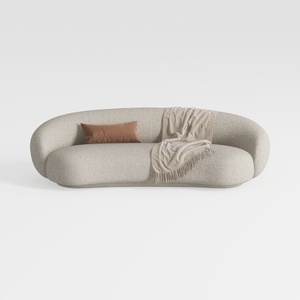

Minimalist Boucle Fabric Curved Sofa With Throw Pillow And Blanket 3D Model
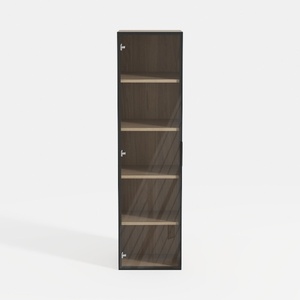
Modern Black Frame Solid Wood Open Shelf Tall Cabinet 3D Model

White Dresser for Bedroom, 48'' Modern 6 Drawer
Homestyler is an exceptional online home design platform that empowers you to create stunning interiors effortlessly. With its intuitive design tool, rich library of 3D renderings, and helpful video tutorials, you can easily transform your ideas into reality while enjoying every step of the DIY process!
تصميم الآن مجانا
































