

Compact living areas necessitate systems that operate quietly, are efficient, and are appropriately sized. I seek units that marry sensible capacity with minimal noise levels and intelligent controls, while ensuring that airflow, light, and circulation are not compromised.
My short list is influenced by two key considerations. Firstly, the WELL v2 guidelines suggest a background noise level of around 35 dBA in frequently occupied spaces to enhance focus and comfort (WELL v2, S01/S02). Secondly, ENERGY STAR indicates that correctly sized units often perform 10–15% more efficiently than oversized ones, preventing short cycling and maintaining stable operation. In office environments, Gensler’s U.S. Workplace Survey confirms that temperature regulation is a leading factor in workplace efficiency, with thermal comfort closely linked to perceived productivity. I emphasize systems and layouts that uphold these acoustic and comfort standards.
Cooling capacity also has its limits in small rooms: general guidance suggests starting at 20 BTU per square foot for moderate climates, though factors like insulation, glazing, and occupancy can alter final requirements. For lighting and glare management, I strategically position ducts and ceiling fixtures to avoid conflicts with task lighting or drafts at workspaces; WELL v2 advocates for glare control and integrated thermal management.
Top Picks for Small Space Heating and Cooling
I generally advise choosing from one of five specific systems, tailored to fit load, noise considerations, and installation limitations.
A prime choice for studios, micro-apartments, and accessory dwelling units (ADUs) that require both heating and cooling while maximizing efficiency. Look for systems with inverter-driven compressors, capable of operating in low ambient temperatures, and indoor noise levels between 19–30 dBA on quiet settings—well within the acoustic goals outlined by WELL v2. Variable capacity options reduce short cycling and maintain consistent humidity levels. Flexible installation options, such as wall, floor, or ceiling cassettes, are vital, especially around windows and storage spaces. For colder climates, select models specifically designed for effective heating in sub-zero conditions.
Ideal for renovations where new refrigerant lines present a challenge. These integrated units simplify the installation process and can provide both heating and cooling in a reverse-cycle design. Focus on utilizing ECM fans and variable or staged compressors to minimize operational noise. It is crucial to seal the sleeve properly to enhance energy efficiency and meet acoustic targets, as poorly sealed installations can contribute to background noise exceeding the 35 dBA recommendation.
Suitable choices for renters or temporary arrangements. Window units can efficiently cool spaces when properly sized and sealed, although noise levels may reach over 50 dBA at high settings; it's advisable to operate on the lowest stable fan speed during sleep or focus periods. Portable units offer convenience but generally have lower effective capacity due to air exhaust; dual-hose models are preferred to mitigate negative pressure. Pair these with a safe, thermostatically regulated electric heater for transitional seasons.
In scenarios where heat pumps are not an option, slim radiant panels or baseboards provide silent heating, complementing a quiet cooling solution such as a small window unit or fan coil system. Radiant heat enhances comfort at lower air temperatures, which can lead to energy savings when effectively managed by adaptive smart controls.
For condominium retrofits with accessible hot or chilled water, compact fan coils serve as neat and quiet solutions when properly calibrated. Specify fans with low sound output and line the cabinet for optimal vibration reduction. Routine filter replacement and coil cleaning are essential to ensure adequate airflow and consistent noise levels.
Right-Sizing: Determining Required Capacity
I begin with a rapid load assessment and then fine-tune it. For a well-insulated studio sized between 150–300 sq ft, single-zone mini-splits commonly have cooling capacities ranging from 6,000 to 9,000 BTU/h, with comparable or slightly elevated heating capacity in colder regions. Increase capacity estimates for units with west-facing glass, high occupancy, or heat-generating equipment. Avoid oversizing: research from Steelcase links temperature fluctuations to decreases in cognitive performance; oversized units tend to cycle on and off, leading to chilly drafts and uncomfortable humidity variations that are noticed quickly in confined spaces.
Strategic Placement and Airflow Management
The placement of systems is crucial for comfort in tight quarters. I ensure that supply air is directed away from beds and main seating areas to minimize the perception of drafts. It’s best to install wall-mounted cassettes high on the longest wall to achieve an even air throw, directing airflow from the ceiling downwards. In deeper studios, a ceiling cassette can effectively distribute air without occupying valuable wall space. When organizing furniture and equipment, I frequently utilize layout simulation tools such as interior layout planners to visualize clearances and airflow routes efficiently.
Noise, Vibration, and Acoustic Comfort
In small spaces, every decibel counts. Opt for indoor systems with published low-speed sound pressure levels in the 19–30 dBA range for sleeping areas, and under 35 dBA for home office environments to align with WELL v2 acoustic guidelines. Implement anti-vibration pads and refrain from mounting installations on shared walls. Seal any openings and penetrations; even a 1 mm gap can result in noise at higher fan speeds. Where practical, position compressors away from balconies and bedroom windows to minimize noise disruption.
Energy Consumption, Control Systems, and Humidity Management
Smart climate controls and integrated sensors that adjust fan speed based on temperature and humidity maintain comfort in small spaces without excessive cooling. Targeting a relative humidity (RH) level of 45–55% reduces dust and enhances comfort perception. In humid areas, select operational modes that focus on moisture removal or utilize dedicated dehumidification functions. Ceiling fans, equipped with reverse settings, can help balance heat distribution in the winter without increasing the thermostat setting.
The Role of Color, Light, and Thermal Perception
The choice of colors and lighting can influence thermal comfort directly. Cooler lighting (4000–5000K) can create a sense of coolness on hot summer afternoons, whereas warmer lighting (2700–3000K) fosters a cozy winter atmosphere. Insights from color psychology indicate that cooler tones, like blues and greens, induce calmness and may subtly decrease the perception of heat; I complement these palettes with dimmable warm accents for evening use to maintain a balanced psychological space.
Quick Recommendations Based on Scenarios
• 6–9k BTU/h ductless mini-split with a low fan output of 19–24 dBA; consider a floor console if wall space is completely glazed.
• Incorporate a programmable remote and occupancy sensors to optimize runtime efficiency.
• Select ceiling fans with a 44–48 inch blade span for gentle air mixing.
• Choose inverter technology for window air conditioners (in quiet mode) paired with a slim radiant panel heater.
• Ensure panels are sealed and use side baffles, and verify compliance with building regulations regarding facade impact.
• Install through-the-wall heat pumps with insulated sleeves, ensuring that the condenser placement is line-of-sight to reduce courtyard noise.
• Utilize acoustic sealant at penetrations and isolation pads behind grilles to minimize sound transmission.
Key Installation and Maintenance Tips
• Carefully vacuum and weigh in refrigerants according to specifications, as small systems are sensitive to charging errors.
• Adjust fan curves and swing vanes to eradicate drafts at seating areas and beds.
• Clean filters monthly in dusty urban settings; blocked filters can increase noise and reduce efficiency.
• Ensure proper condensate routing—pumps should be isolated to prevent noise transfer.
Financial Considerations and Lifecycle Assessment
Compact inverter heat pumps often deliver superior lifecycle value: a singular solution for both heating and cooling needs, high efficiency, and enhanced control features. The initial investment may exceed that of a window unit, but savings on electricity and quieter operation yield returns over a few seasons. For temporary settings, a high-efficiency window unit, paired with meticulous sealing and a compact radiant panel, could represent the optimal compromise.
Guidance on Selection Considerations
The acoustic and comfort standards are in alignment with WELL v2 (S01/S02), and the importance of proper sizing echoes findings from Steelcase and Gensler linking thermal stability to employee performance and satisfaction. For further reading, explore the WELL Performance standards and resources available on Gensler’s workplace research website.
Frequently Asked Questions
Begin with a cooling capacity of around 6,000–7,000 BTU/h if insulation is adequate and solar gain is moderate, then make adjustments based on factors like west-facing glass, occupancy, and equipment. A ductless mini-split featuring inverter control will regulate output below peak to prevent overcooling.
Look for indoor units that operate at 19–30 dBA on low; this aligns with WELL v2’s aim for tranquil environments and supports restorative sleep.
Indeed, they are effective, but dual-hose models outperform single-hose units by minimizing negative air pressure. Anticipate higher noise levels; position the unit away from the bed and opt for the lowest stable fan setting.
Mini-splits designed for cold climates can heat efficiently even in extreme temperatures. Verify the heating capacity ratings specific to your geographic area.
Position units high on a long wall or utilize ceiling cassettes to ensure even air distribution. Avoid directing airflow straight onto beds or workstations. Adjust vanes to allow air to gently wash across the ceiling and then downwards.
Utilize dry or dehumidify modes during transitional seasons, and maintain continuous low fan settings with reheating or inverter modulation to uphold 45–55% RH levels for comfort and to prevent condensation.
Ensure that dedicated electrical circuits and adequate amperage are available for heat pumps or window units. Soft-start or inverter technologies help in reducing inrush currents, which is beneficial for older building systems.
These systems offer comfort at lower air temperatures by directly warming individuals and surfaces. When integrated with smart controls and effective insulation, they can reduce operational time compared to conventional heating methods.
Conduct cleaning monthly in urban areas or quarterly in cleaner environments. Regular filter maintenance safeguards capacity, diminishes noise levels, and protects coil integrity.
Select multi-speed fans and appropriate MERV-rated filters for the units. Balance the intake of fresh air with energy conservation; consider cracking a window during mild days or implementing a small energy recovery ventilator if feasible.
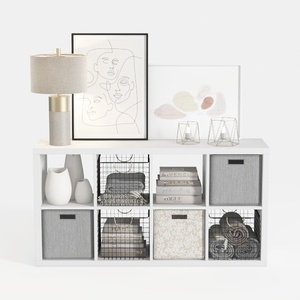
Modern Minimalist White Fabric Solid Wood Storage Cabinet 3D Model
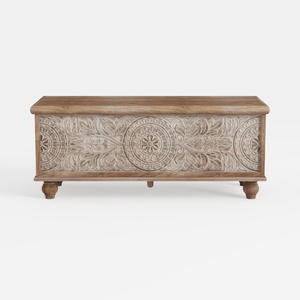
Vintage Carved Solid Wood Storage Bench 3D Model

Minimalist Fluted White Round Coffee Table 3D Model
Homestyler is your go-to online home design platform, perfect for both novices and seasoned designers. With its user-friendly design tool, stunning 3D renderings, an extensive collection of design projects, and informative video tutorials, bring your creative home visions to life effortlessly!
Design Now for FREE
































