

When designing mid-century modern spaces, I prioritize small end tables due to their versatility. When placed correctly, these tables enhance seating arrangements, improve flow, and contribute a cozy ambiance characteristic of the era. It's important to choose tables that are typically 18–24 inches in height, allowing them to align comfortably with sofa arms, facilitating easy access while preserving unobstructed views. To optimize movement in living spaces, aim for a clear path of at least 30–36 inches, as studies indicate that unobstructed pathways can enhance focus and minimize physical strain, underscoring the practical use of compact tables in limited spaces. Additionally, WELL v2 highlights the importance of eliminating glare and ensuring comfortable reach, both of which can be achieved by selecting appropriate heights and matte finishes for everyday use.
The atmosphere created by lighting and color significantly affects the perception of a small end table. I prefer using warm white ambient lighting around 2700–3000K to highlight the rich tones of walnut and teak, following the recommendations of the Illuminating Engineering Society for balanced luminance to prevent glare near shiny surfaces. According to color psychology, warm neutrals can diminish visual fatigue and help integrate smaller items seamlessly into the space. For cozy reading areas at night, I suggest placing a table lamp that provides 10–20 foot-candles on the table’s surface to maintain readability without overwhelming the room with light. It’s beneficial to adhere to the WELL v2 concepts for lighting and IES guidelines to ensure optimal performance.
Essential Considerations: Proportion, Elevation, and Accessibility
For small end tables, keeping the height near the arm of adjacent seating is crucial—generally, this ranges from 20–24 inches for contemporary sofas and 18–22 inches for lounge chairs. While depth and diameter can differ, a typical range of 16–20 inches strikes a balance between stability and space-saving. Position the edge of the table within 2–4 inches from the seating arm to ensure easy reach for a drink or book without stretching. In my layouts, I recommend placing one small end table for each pair of seats and adding a slender console if additional storage is necessary.
Material Considerations: Authentic Mid-Century Aesthetics
True to the mid-century modern style, I gravitate towards authentic materials like solid walnut or teak, matte lacquer, and powder-coated steel. Oiled finishes are preferred to enhance wood grain while minimizing reflective glare. For those on a budget, using reconstituted veneers sourced from FSC-certified materials is a viable option that maintains quality. Matte or satin finishes are ideal for surfaces to limit reflections when under lighting. In homes where sound quality is a concern, such as in open-concept apartments, employing felt pads and soft-close hardware can significantly diminish noise levels.
Design Language: Legs, Edges, and Shapes
Typical design features include tapered legs, knife-edge tops, and unique shapes like surfboard or kidney. Round tables are particularly advantageous in tight layouts as they eliminate sharp corners. For a cohesive look, I recommend pairing a round tabletop (18–20 inches in diameter) with a pedestal base, maintaining a clean visual flow around sofas. While open shelving adds a functional touch, it can create visual clutter; opting for a sleek surface with a slim lip can help manage small items without overwhelming the space.
Functionality at the Forefront: Storage, Cable Management, and Lifestyle Needs
In smaller living areas, intentional storage solutions are paramount. A shallow drawer can conceal remote controls and glasses, while open compartments might lead to visual clutter unless selectively organized. If a lamp is incorporated on the table, route the cord down the back leg, securing it with felt clips underneath. Aim for a tidy surface with just one decorative item and a coaster for each seat. In cozy reading corners, a 20-inch round table with a weighted base can enhance stability, particularly under a lamp with a swinging arm.
Seamless Lighting Integration: Surface Lighting and Glare Management
Task lamps should be designed with a shallow beam angle to reduce reflections on satin finishes. Direct the lamp in such a way that the light source is not visible from typical seating positions. Using a warm color temperature of 2700K–3000K complements wood surfaces beautifully; aiming for a dimming range of 10–30 foot-candles ensures multi-purpose usage comfort. For tables with glass elements, selecting matte or frosted finishes can successfully mitigate glare from LED lights. Balancing ambient and task light is essential to maintain gentle contrast ratios that align with IES recommendations for home comfort.
Color Perception: Subdued Warmth and Harmonious Scale
Mid-century color schemes flourish with warm woods, soft greens, and muted oranges. A small end table appears more subdued against neutral backgrounds—consider soft gray or off-white wall colors—allowing the natural wood tones to stand out as understated focal points. Effective color contrasts are key to preventing a small table from becoming visually overwhelmed or too assertive. When decorating with various wood tones, it’s advised to resonate with the color of the largest piece in the room (such as the media console), allowing the table to contribute to a cohesive visual rhythm without clashing.
Spatial Considerations and Movement
Properly placed small tables shouldn't obstruct walkways. It's advisable to maintain 30–36 inches for main paths and at least 18 inches for secondary reaches. I ensure table edges remain within 3 inches of the sofa's perimeter to avoid foot traffic accidents. If a room feels congested, consider opting for tables with pedestal bases or slender legs to create a lighter floor visual. To experiment with layouts and ensure a balanced aesthetic, utilizing a room design tool can help simulate clearances and optimize movement routes prior to making any purchases.
- Walnut round table with tapered legs: 18–20 inches in diameter, height of 22 inches, finished in oil to highlight the grain texture.
- Triangular kidney-shaped tabletop resting on three legs: a playful shape that complements corners without harsh edges.
- Pedestal-based surfboard tabletop: a stable, sleek design ideal for holding a lamp and a stack of books.
- Nesting tables: staggered heights of 18 and 22 inches provide flexibility for various seating arrangements.
- Mixed material option: a wooden top partnered with a powder-coated steel frame; matte black reduces visual distractions under warm lighting.
- Micro-table with drawer: features a slim drawer for storing remotes, topped with a half-overlay front for a clean appearance.
- Balcony-friendly design: a compact round table with a durable marine-grade finish; easily paired with a small lounge chair for versatile use.
Ergonomics and User Comfort
For optimal ergonomic design, ensure the table remains within a 20–24 inch reach from the shoulder while seated to prevent strain. The edge profiles should be gentle; slight chamfers provide a softer surface for resting your forearm. If seating is notably low (14–16 inches), consider lowering the table height to between 18 and 20 inches; whereas for higher sofas (19–20 inches seat height), a table height of 22–24 inches is ideal for maintaining neutral wrist positioning.
Sound Management in Compact Spaces
Small, hard surfaces can create excessive noise; therefore, placing felt pads beneath table legs and opting for softer material finishes can significantly diminish unwanted sounds. Avoid loose trays on metal bases that may rattle. In echo-prone environments, wooden tops generally absorb sound better than glass; adding a rug can further minimize footfall noise.
Sustainability and Longevity
Choose solid woods sourced from sustainable operations, utilize water-based finishes, and designs that allow for easy repairs with screwed joints. Powder-coated steel is durable against chipping; ensure that any veneer options have a high-quality substrate and proper edge alignment. A well-constructed small table should easily endure daily use without wobbling—always check the quality of leg bracing and fasteners.
Placement Scenarios
- Adjacent to a sofa: leave 2–4 inches from the arm; place the lamp slightly off-center to minimize glare.
- By a reading chair: position the table to the front-left for easy access with the right hand; adjust if necessary.
- Between two lounge chairs: opt for a 20–22 inch round table to ensure comfortable reach for both seats.
- In a window corner: choose a pedestal base to maintain a light visual and manage cable routing behind drapes.
- Compact entryway: a mini table with a shallow drawer allows for practicality while ensuring 36 inches is clear for door access.
Decluttered Styling
Limit tabletop decor to a single sculptural piece, a sleek coaster set, and one slim stack of books. For greenery, opt for a delicate vase with a single flower to maintain clear sightlines. The goal is for the table to enhance the living space rather than compete for attention.
Common Questions
1) What height is ideal for a mid-century small end table?
Typically, the height should be between 20–24 inches to align with standard sofa arm heights; lower the table to 18–20 inches for lounge-style seating.
2) How much space should be reserved around the table?
Maintain a clearance of 30–36 inches for primary pathways and at least 18 inches for secondary routes to avoid crowding.
3) Which materials are most authentic to mid-century modern design?
Look for solid walnut or teak, matte lacquer, and powder-coated steel. I recommend oiled finishes for an enhanced grain effect, topped with satin coats to limit glare.
4) What lighting temperature works best over wooden tones?
A warm white light at 2700–3000K maintains the natural warmth of the wood; keep task lighting around 10–20 foot-candles for comfortable reading without harsh contrasts.
5) Is a round or square table better suited for small rooms?
Round tables are effective in minimizing obstacles in narrow spaces. However, square tables work well if edge alignment is needed against furniture, provided the corners are kept clear of traffic.
6) How can I avoid visual clutter with a small table?
Limit decorations to one central object and a few essentials. If you require additional storage, a shallow drawer is preferable to open cubbies.
7) What ergonomic guidelines should I follow for table placement?
Position the table edge 2–4 inches from the arm of the seat and within a 20–24 inch reach to alleviate leaning and wrist strain.
8) Are nesting tables practical for smaller homes?
Definitely—staggered heights accommodate various seating arrangements and can be easily tucked away when not needed, allowing for flexible circulation.
9) How do I keep lamp cables organized on the table?
Ensure that cords run along the back leg, securing them with felt clips underneath the table; avoid any front-facing drops to maintain a tidy appearance and minimize hazards.
10) What finishes help reduce glare?
Opt for matte or satin finishes on wood and powder-coated metal surfaces. Position your lamps to avoid direct sightlines in line with IES comfort recommendations.
11) What sizes are ideal for tables between two chairs?
A 20–22 inch round table typically provides an even reach for both chairs without overwhelming the area.
12) How can I ensure the materials I choose are sustainable?
Select sustainably sourced woods, utilize water-based finishes, and prioritize repairability in design. Veneers are acceptable if the underlying materials are of high quality with properly finished edges.

Minimalist Solid Pine Wood Side Table Small Accent End Table 3D Model

Japanese Floor TableSmall Coffee Table & Tea Table
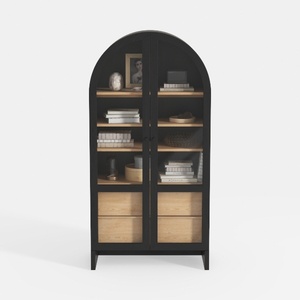
Minimalist Black Oak Arched Glass Display Cabinet 3D Model
Discover the power of Homestyler for your home design needs! This user-friendly online platform offers an intuitive design tool, stunning 3D renderings, an array of inspiring design projects, and helpful DIY video tutorials. Transform your space effortlessly and creatively with Homestyler!
Design Now for FREE
































