


When designing cornices for living rooms, I emphasize the balance of proportion, illumination, and materials. A thoughtfully selected cornice enhances the room's aesthetics, leads the gaze, and subtly elevates the perceived height of the ceiling without drawing overt attention. When executed effectively, it grounds the interior design style—be it classic, transitional, or contemporary—while contributing to comfort through managing glare and sound.
Understanding Cornice Basics: Dimensions, Design, and Arrangement
The dimensions of the cornice are critical. In spaces with 8–9 ft ceilings, I tend to opt for narrower coves or modern stepped designs, projecting 2–4 inches to prevent any feeling of visual clutter. Conversely, in rooms with heights exceeding 10–12 ft, more pronounced classical or layered contemporary cornices with a projection of 4–7 inches look appropriate from a seated viewpoint. Aligning the cornice depth with the heights of doors and windows contributes to a cohesive line that streamlines visual perception.
Lighting is essential not just for aesthetic purposes but also quantitatively. The Illuminating Engineering Society advises a lighting level of 10–20 fc (approximately 108–215 lux) for general living spaces, with task areas reaching up to 30–50 fc (about 323–538 lux). Implementing a cornice with concealed LED uplights facilitates even ambient lighting while softening high-contrast areas that might induce eye strain. The WELL v2 standards further highlight the importance of glare control; keeping indirect light sources below 3000–3500K in the evening nurtures circadian well-being by minimizing blue light exposure. These benchmarks ensure that design choices are not only honest yet measurable.
Color psychology subtly influences room ambience. According to Verywell Mind, warm tones like soft creams and terracottas foster a sense of coziness, while cool neutrals promote tranquility and openness. When painting the cornice, I generally choose a hue that is a half-step lighter than the wall color to enhance the appearance of the perimeter without compromising cohesion, saving bright ceiling white for areas that require maximum height perception.
Integrating Lighting: Achieving an Indirect Glow Without Harshness
Effective living room designs utilize cornices to conceal indirect lighting, which provides a soft glow to the ceiling. I prefer not to have direct lighting at the perimeter; instead, I tuck LED tape or linear fixtures back 1–2 inches behind the lip of the cornice, using a diffuse lens to achieve an even brightness of 150–250 lux on the ceiling surface. Two practical guidelines include keeping uniform spacing from the ceiling to avoid scalloping and setting dimmers to ensure evening lighting levels are around 20–30% output. For modern aesthetics, a 3000–3500K color temperature appears clean; for a cozy and classic look, 2700–3000K works well with warm wood tones and textiles.
Glare detracts from comfort in living areas. To prevent reflections on screens and artwork, I direct the majority of the perimeter lighting upwards and incorporate low-glare task lamps for reading. The visual comfort guidelines outlined in WELL v2 further support this equilibrium—utilizing indirect lighting for ambience, localized task lighting for functionality, and ensuring minimal contrast ratios throughout the field of view.
For adaptable layouts—particularly around media walls—utilizing an interior layout planner like Homestyler can help visualize cornice configurations around alcoves and built-ins. Running a quick simulation with such a tool ensures that the lighting line sidesteps cabinetry, speakers, and curtain tracks while maintaining a seamless appearance.
Design Principles for Proportion and Detailing: Classically Inspired vs. Contemporary
Traditional cornice designs adhere to classic proportions, featuring a gentle crown, fillet, and cove arrangement that nods to historical styles. They harmonize beautifully with paneled walls and elevated skirting boards but require restraint—typically, one to two profile variations suffice in most settings. Contemporary designs prefer clean lines: utilizing shadow gaps, minimalist coves, or sharp trims that become virtually invisible until illuminated. Success in both styles rests on maintaining coherent sightlines and seamless transitions—the junction between wall, cornice, and ceiling should feel like a unified flow.
I often introduce a slight shadow gap (3–6 mm) above the cornice to give the illusion of a higher ceiling, particularly in lower spaces. This gap, which can be painted in a deep neutral or black, establishes a sharp edge while minimizing the chance of paint cracks at the joins.
Material Choices and Quality of Construction
Choice of materials varies with context. Plaster provides the most precise detailing and allows for seamless repairs, making it perfect for period homes with intricate designs. High-density polyurethane and wood composites deliver stability and simplify installation for contemporary profiles, while MDF serves as a great option for straight sections that can be painted in areas with controlled humidity. Sustainability considerations include low-VOC paints and adhesives, FSC-certified timber, and responsible sourcing of recycled composite materials.
Acoustic benefits can modestly increase with the addition of cornices, especially when complemented by soft furnishings. The geometry around the perimeter can help in breaking up parallel surfaces, thus reducing echo; further enhancement can be achieved through the use of curtains, rugs, and upholstered seating, promoting comfort. Research from Steelcase connects pleasant auditory environments with improved focus and well-being in working spaces—this principle equally applies to living areas, where reduced harsh reflections facilitate smoother conversations and decreased auditory fatigue.
Strategizing Color and Ceiling Perception
To create the illusion of height, cornices and ceilings should maintain a lighter tone compared to the walls, allowing the perimeter to softly illuminate through indirect light. If a space feels excessively bright and sterile, incorporating a soft mid-tone shade on the walls can retain brightness while introducing warmth, preserving a nearly white ceiling for height enhancement. In elongated rooms, using a slightly darker cornice on shorter walls can create a sense of balance and prevents the feeling of tunnel vision.
In spaces centered around media, it's advisable to steer clear of high-reflectance surfaces near screens. A matte eggshell finish on the cornice aids in minimizing specular highlights, preserving the depth of black levels.
Coordinating Window Treatments with Media Walls and Curtains
Cornices should align well with curtain tracks and blind recesses. I conceal tracks behind the cornice line to facilitate floor-to-ceiling drapery without cluttering the visual space. Ensuring a clearance of at least 3–4 inches allows pleats to glide easily; integrating access panels for maintenance is also essential. For media walls, it’s key to space the cornice to neatly wrap around corners; if a projector is in use, confirm that light does not spill onto the screen area, adjusting dimming scenes accordingly.
Installation Guidelines and Tolerances
Thorough preparation helps avoid cracks in the installation process. I usually specify stable substrates, prime all surfaces uniformly, and manage humidity during installation. Miter cuts should be executed at a consistent spring angle; where walls are uneven, scribing the back edge of the cornice ensures tight joints. Employ flexible caulk at transitions rather than brittle fillers. For integrated lighting systems, ensure clear cable paths, check driver compatibility, and confirm dimming settings before finalizing installations.
Budgeting and Phased Implementation
Cornice designs can be flexible in terms of budget. Off-the-shelf profiles, paired with thoughtful paint choices and lighting, can dramatically enhance a space without incurring substantial costs. For high-end designs, custom plaster or intricate metal trims may be appropriate yet require specialized labor. Typically, I recommend phasing the project: start with structural profiles, test evening lighting scenarios, then finalize color choices and finishes.
Evidence-Based Design and Research Insights
Incorporating data strengthens design decisions. The IES promotes moderate ambient lighting levels for living areas (around 108–215 lux), which corresponds with indirect perimeter lighting strategies. The WELL v2 framework highlights daylight and glare management; inside, implementing indirect uplighting and adjustable layered systems contributes to sustaining visual comfort in the evening hours through late-night activities. Regarding psychological aspects, guidance from Verywell Mind supports color choices between warm and cool tones, depending on the atmosphere desired and the perception of space.
My Essential Guide to Cornice Design
- For rooms with ceilings under 9 ft: choose a slim cove design (2–3 inches), utilizing 2700–3000K for indirect uplighting and a matte finish.
- For ceilings ranging 10–12 ft: opt for stepped modern or restrained classical profiles (4–6 inches), accompanied by 3000–3500K lighting and a shadow gap feature.
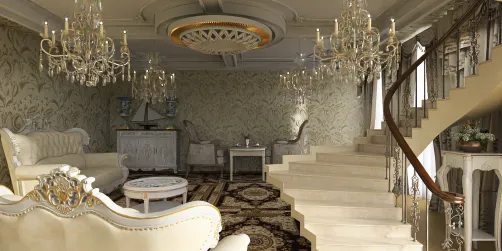
- In expansive formal spaces: consider plaster profiles with gentle changes, incorporate dimmable lighting layers, and ensure coordinated curtain pocket designs.
- For media-centric rooms: deploy indirect perimeter lighting on dimmable systems, utilize low-gloss paint, and avoid direct light near display screens.
- For hall-through living spaces: maintain a continuous datum line, aligning features with door and window heights to create a united visual rhythm.
Frequently Asked Questions
Q1: What is the recommended cornice size for 8–9 ft ceilings?
A: It is advisable to keep the projection between 2–4 inches. Slim coves or streamlined stepped profiles will elevate the perimeter without overwhelming the wall.
Q2: How can I incorporate lighting without causing glare?
A: Place linear LEDs behind the cornice lip, directing them upwards, using diffused lenses, and adjusting dimming to 20–30% during the evening hours. A combination of indirect ambient lighting along with task-specific sources will enhance comfort, following recommendations from WELL v2.
Q3: Which color temperature should I consider?
A: Utilizing 2700–3000K gives a warm and homey feeling; in contrast, 3000–3500K appears more sharp and suitable for modern styles. It’s essential to align this choice with your overall color scheme and evening habits.
Q4: Do cornices assist with acoustics?
A: To some extent—they help disrupt parallel surfaces. For better results, pair with soft furnishings like rugs and curtains.
Q5: Can cornices create an appearance of higher ceilings?
A: Absolutely. Using a lighter cornice and ceiling tone than the walls, introducing indirect uplighting, and considering a subtle shadow gap can significantly increase visual separation between planes.
Q6: What materials are most durable for cornices?
A: Plaster provides detailed continuity and durability. High-density polyurethane and wood composites offer both reliability and ease of installation. Opt for low-VOC finishes to maintain better indoor air quality.
Q7: How do I effectively align cornices with curtains?
A: Recess curtain tracks behind the cornice lines, allow for 3–4 inches of clearance for the pleats to move, and ensure access for maintenance is possible. Coaligning the cornice datum with window tops will achieve a clean visual line.
Q8: Is indirect lighting sufficient for living rooms?
A: Yes, provided it’s correctly designed. Aim for approximately 150–250 lux on the ceiling surface to fulfill the IES's recommended 10–20 fc overall for living spaces, supported by task lighting for specific areas.
Q9: What should I do if my walls are not perfectly straight?
A: Adjust the back edge of the cornice to match the uneven wall, use flexible caulk at the transitions, and maintain consistent spring angles when cutting miters for clean, cohesive joints.
Q10: How can I eliminate visible LED strips?
A: Employ continuous diffusers, maintain appropriate distance from the ceiling, and select high-density LED tape installed in proper channels.
Q11: Is it feasible to mix traditional cornices with contemporary interiors?
A: Certainly, when approached with moderation. Choose simpler classical designs, ensure modest projections, and paint to harmonize with the ceiling for a more understated appearance.
Q12: What’s the best approach for planning complex corners?
A: Use an interior layout planner, such as Homestyler, to simulate configurations and create precise on-site templates for accurate mitering around alcoves or media walls.
What began as an Autodesk innovation has evolved into a design platform used by more than 20+ million registered users (platform data, 2026) around the globe. Homestyler combines powerful rendering, an intuitive editor, and a vast furniture library to help you turn inspiration into photorealistic designs — whether you're redesigning a single room or planning an entire home.


Contemporary Brass Glass Acrylic Side Table 3D Model

Modern Curved Velvet Sectional Sofa With Throw Pillows 3D Model
Bohemian Rattan Round Side Table Handwoven Accent 3D Model
Homestyler is your go-to online home design tool! With its user-friendly interface, stunning 3D renderings, and a wealth of design projects and DIY video tutorials, you'll find everything you need to create your dream space effortlessly. Transform your ideas into reality today!
Design Now for FREE