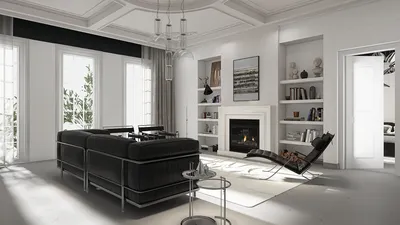


Floor mats play a critical role beyond just surface protection; they enhance comfort, safety, acoustics, and add a visual rhythm to any space. I view mats as micro-foundations that influence movement, absorb impact, and stabilize color schemes. In workplace environments, a thoughtfully selected mat can alleviate fatigue and prevent slips, while at home, it can dampen sound and uplift the atmosphere. The WELL Building Standard emphasizes the significance of ergonomics and movement enhancement as key factors for health and productivity. Research from Herman Miller consistently demonstrates a correlation between physical comfort and heightened work efficiency. Ultimately, the best mat choices merge material qualities with human factors and behavior patterns, making tools like Homestyler invaluable for visualizing optimal layouts.
The tangible benefits of ergonomic choices are evidenced through data: research from Herman Miller shows that discomfort can hamper task performance and increase errors related to time-on-task, highlighting the importance of anti-fatigue support in standing areas. Statistical analyses often indicate that slip occurrences spike at entry points; implementing a targeted mat strategy at these locations can significantly minimize moisture transfer and wear, thus prolonging the lifespan of flooring. For improvement in lighting and visibility, I design mats with color contrasts that facilitate navigation without glare issues. The principles laid out by the Illuminating Engineering Society (IES) remind us that high-reflectance finishes near bright light sources can pose visual strain—this is where mats can provide a necessary matte contrast. For comprehensive ergonomic guidelines, the WELL v2 ergonomics feature is an excellent resource.
Understanding Mat Types by Function
Different environments necessitate various performance specifications. I classify mats into five primary categories: entry scraper/absorption mats (which collect grit and moisture), anti-fatigue mats (which lessen muscular strain in standing work areas), acoustic rugs and pads (which mitigate reverberation and footfall sounds), protective chair mats (which enable smooth movement on carpet or soft surfaces), and specialty mats (for kitchens, bathrooms, and gyms). In spaces with heavy foot traffic, a dual-zone system—coarsely textured scraper mats outside paired with absorbent textile mats inside—greatly enhances cleanliness. In kitchens, closed-cell foam or nitrile rubber mats are ideal for managing spills, while bathroom mats made from fast-drying microfiber minimize slip risks when combined with non-slip backing.
Materials: Performance, Sustainability, and Maintenance
Selecting the right materials is essential for the durability of mats. Natural rubber (NR or NBR) is excellent for wet and oily areas due to its resistance to curling. Polypropylene and solution-dyed nylon are preferred for their stain-resistant properties and colorfastness, making them ideal for entryways. Wool not only provides warmth but also offers acoustic benefits and natural resilience—making it perfect for living rooms with moderate foot traffic. Recycled PET mats are increasingly common as they ease the demand for virgin materials; many organizations choose recycled-content backings to meet sustainability objectives. I recommend using low-VOC adhesives or mechanically bound backings to reduce off-gassing. For upkeep, weekly vacuuming and quarterly washing for textile mats keep the texture fresh; rubber mats require neutral pH cleaners. In offices, facility teams often establish rotation schedules every 3 to 6 months to distribute wear evenly.
Ergonomics and Human Factors
Anti-fatigue mats need to provide a blend of compression and support: look for surface hardness in the medium range that encourages micro-movements. Beveled edges are crucial to minimize trip hazards, especially in busy hallways. For task-oriented areas, I tailor mat dimensions to the activity: a 24"×36" mat suits single-station standing work, while a 36"×60" mat is better for shared surfaces. In seated areas, chair mats should match the type of casters and the floor surface—cleated mats are ideal for carpets, whereas smooth polycarbonate is suited for hard floors to prevent scuff marks. Careful consideration of reach areas and visual cues is important: mats can subtly signify different zones (through printing or color blocking) that direct workflows, which is especially beneficial in open office layouts where behavioral boundaries may be ambiguous.
Color Psychology and Mood Setting
Color is not merely for aesthetic appeal—it can influence behavior. Research highlighted by Verywell Mind on color psychology reveals that blues and greens can facilitate calmness and concentration, while warmer hues like terracotta and muted yellows can create a welcoming atmosphere. In entryways, I prefer using darker neutral shades to hide dirt while incorporating a contrasting border to enhance visibility for safety. In creative environments, bright accent rugs can energize the space without overwhelming it if balanced with neutral flooring. In bedrooms, soft, desaturated colors—such as sage, dusty blue, and warm gray—paired with plush textures encourage relaxation.
Acoustic Comfort and Spatial Rhythm
Mats and rugs excel at reducing flutter echoes and lowering impact noise, particularly over concrete or tile surfaces. Layering a rug with a felt or rubber underlay not only boosts sound absorption but also enhances foot comfort. I pay attention to spatial rhythm: a large area rug should ground seating arrangements and align with foot traffic to avoid awkward crossings. In lengthy corridors, runner mats help break the monotony while absorbing high-frequency footfall. For multipurpose living areas, I utilize varying pile heights to delineate micro-zones without the need for physical barriers.
Sizing and Placement Strategy
Proportion is paramount for visual harmony. Entry mats should extend at least two adult steps indoors (generally 4 to 6 feet long) to effectively catch moisture. Living room rugs are most effective when the front legs of furniture rest on them, creating a sense of continuity. Dining area rugs should reach 24 to 30 inches beyond the table edges on all sides to facilitate chair movement without interference. In open-plan environments or studio apartments, I employ layout tools—like Homestyler—to visualize traffic patterns alongside mat placements relative to door swings and circulation paths.
Safety: Slip, Trip, and Visibility
Attention to safety details is essential. I specify non-slip backings and assess the coefficient of friction ratings appropriate for the specific flooring type. Beveled edges are important to diminish trip hazards; high-pile rugs should be avoided in areas of primary foot traffic. Contrast edging can also aid those with low vision in navigation. I strategically place mats in coordination with lighting: glossy mats should not be positioned directly under bright, low-angle light to prevent glare—this concept aligns with IES glare control principles. In moisture-prone areas, rubber or textured PVC mats offer reliable traction, and regular inspections for curling or wear should be factored into the maintenance schedule.
Workplace Use: Entries, Standing Desks, and Collaboration Zones
Organizations can enhance performance through thoughtful mat strategies. At standing desks, medium-density anti-fatigue mats mitigate calf and back pain while encouraging movement. Collaboration areas benefit from acoustic rugs that dampen sound and establish clear boundaries. Employing dual-zone mats at entry points effectively decreases the amount of dirt tracked in and helps maintain flooring warranties. Consistency in size and color fosters brand identity while ensuring clarity in navigation. When matched with adjustable task lighting and neutral reflectance finishes, these selections enhance overall comfort.
Residential Use: Kitchens, Bedrooms, Living Rooms, and Baths
Home requirements differ based on activities and humidity levels. In kitchens, choose oil-resistant mats constructed from closed-cell materials that are easy to clean; ensure coverage over prep stations and sink areas. In bedrooms, plush or wool rugs with low VOC backing create a calming environment—ensure that edges are secure near doorways to minimize hazards. Living rooms benefit from layered rugs for acoustic management; using felt underlays helps with cushioning and prevents slipping. Bathrooms necessitate fast-drying microfiber or rubber-backed mats that can easily be laundered to avert mildew growth.
Care, Cleaning, and Replacement Cycles
A proactive maintenance strategy can prolong the lifespan of mats and promote a healthy space. Vacuum textile mats weekly, address spills promptly, and rotate mats quarterly to distribute wear patterns evenly and mitigate fading from UV exposure. Rubber and PVC mats should be cleaned with neutral pH solutions and properly dried before being reused. Regularly inspect edges for curling and the backing for any degradation; it’s time to replace mats when they show signs of persistent compression or when pile texture is compromised. In work environments, setting lifecycle targets—typically 2 to 4 years for entry mats and 3 to 5 years for area rugs—can ensure consistent performance.
Budget and Value Decisions
Assessing value revolves around durability, ease of cleaning, and ergonomic benefits. I often allocate larger budgets for entry and standing work areas where performance improvements are most evident. In style-focused spaces, I recommend investing in a sturdy base rug and updating accents with the change of seasons. It’s important to consider the total cost, including cleaning, rotation, and potential recycling. Many new synthetic mats are made with recycled content and come with recyclability programs that align with sustainability objectives without compromising performance.
Quick Selection Guide
- Entry: dual-zone scraper and absorbent textile, dark neutral with contrast border.
- Kitchen: oil-resistant rubber or closed-cell foam mats with beveled edges for easy cleaning.
- Bath: fast-drying microfiber with non-slip backing.
- Standing desk: medium-density anti-fatigue mats, available in sizes 24"×36" to 36"×60", with beveled edges for safety.
- Living room: durable rugs made of wool or polypropylene with acoustic felt underlays.
- Dining: generous sizing with 24 to 30 inches clearance surrounding the table.
- Workspace chairs: clear polycarbonate mats on hard flooring; use cleated mats on carpets.
FAQ
Q1: What mat material works best for wet entry conditions?
A1: A combination of a coarse rubber scraper outside and an absorbent nylon or polypropylene mat inside effectively collects grit and moisture while maintaining excellent colorfastness.
Q2: Do anti-fatigue mats truly enhance comfort?
A2: Absolutely. Ergonomic studies from Herman Miller indicate that physical discomfort has a detrimental impact on performance; anti-fatigue mats foster micro-movement and cushioning, decreasing strain in standing areas.
Q3: How large should a dining room rug be?
A3: The rug should extend 24 to 30 inches beyond the table on all sides, allowing chairs to remain on the rug when pulled out, thus preventing any edge catches and preserving visual equilibrium.
Q4: Which types of mats help soundproof a space?
A4: Wool or dense-pile rugs paired with a felt or rubber underlay are effective at minimizing reverberation and impact noise, particularly on hard surfaces like tile or concrete.
Q5: What’s the most effective edge treatment for mats?
A5: Beveled edges reduce the risk of tripping in key traffic areas. Ensure to pair this with non-slip backings that are appropriate for the specific floor type to ensure reliable traction.
Q6: Are recycled PET mats durable?
A6: Recycled PET performs well in moderate-traffic areas and exhibits admirable stain resistance. For high-use entry zones, consider pairing with rubber backings to enhance stability and longevity.
Q7: How can I mitigate glare issues around mats?
A7: To prevent glare, refrain from using glossy finishes directly beneath bright, low-angle lighting. Opt for matte or low-sheen mats and coordinate their placement with overall room lighting for optimal effects following IES glare control principles.
Q8: What’s the best mat for kitchens exposed to oil?
A8: Nitrile rubber or closed-cell foam mats offer oil resistance and are easy to maintain. Ensure they feature beveled edges and adequate surface coverage at kitchens’ prep areas and sinks.
Q9: Can chair mats damage hardwood floors?
A9: Polycarbonate chair mats intended for hard surfaces are designed to safeguard finishes and prevent scuffing. Ensure the underside is smooth and avoid rubber products that may interact negatively with certain coatings.
Q10: How often should entry mats be replaced in business settings?
A10: Heavily used entry mats in commercial environments typically require replacement every 2 to 4 years, depending on foot traffic, frequency of cleaning, and exposure to moisture and UV light.
Q11: What colors are most effective for reducing stress at home?
A11: Gentle blues, greens, and warm neutrals are frequently linked to tranquility and concentration, according to findings from Verywell Mind’s analysis of color psychology.
Q12: Can mats help demarcate zones in open-plan spaces?
A12: Absolutely. Utilizing varying sizes, colors, and pile heights effectively creates visual boundaries for seating, working, and moving without requiring physical partitions.
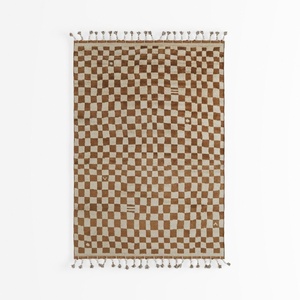


Homestyler is your go-to online home design platform! With its user-friendly design tool, stunning 3D rendering capabilities, and a treasure trove of DIY video tutorials, you can effortlessly create and visualize your dream spaces, making home design fun and accessible for everyone!
Design jetzt kostenlos
































