

I've detailed an impressive number of living room fan selections, and the top picks consistently maintain a seamless blend of quiet operation, effective airflow, and aesthetics that enhance the ambiance of the space. In spacious communal areas where families congregate, fans serve as both a source of comfort and a crucial design element.
Performance must take precedence. The WELL v2 Air and Light principles highlight that consistent thermal comfort and glare-free lighting significantly enhance occupant satisfaction; WELL also emphasizes individual control and minimal noise as essential factors for comfort. Research from Steelcase similarly correlates environmental comfort—temperature and noise management—with improved perceived productivity and engagement in communal areas. These insights reflect my observations in client homes: when fans operate quietly, efficiently, and with thoughtful illumination, people linger longer and feel more at ease.
The Illuminating Engineering Society (IES) suggests an ambient light level of 10–20 footcandles for living rooms, with higher intensities recommended for task areas. Combining a dimmable fan light within this spectrum with layered lamps ensures a comfortable brightness level, while low-noise motors (preferably under 40 dB) help avoid sound fatigue. If you're considering refreshing your furniture alongside upgrading your fan, utilizing a room layout tool could assist in verifying clearances, blade spans, and sightlines before purchasing: room layout tool.
Key Design Considerations for Living Room Fans
• Proportional scale: Ensure the blade span corresponds with the room size—52–60 inches for living rooms sized 200–400 sq ft; 60–72 inches for larger open-plan areas. In rooms with high ceilings, position the fan at 8–9 feet above the finished floor to optimize airflow without overshadowing the seating.
• Quiet, efficient motors: DC motors are generally 40–70% more efficient than AC motors and provide significantly quieter operation. Look for models that are Energy Star certified to guarantee measurable energy efficiency improvements.
• Airflow metrics: Examine CFM (cubic feet per minute) ratings and CFM/W (efficiency). For mid-size to large living rooms, aim for 4,500–6,000+ CFM on high settings; lower speeds are ideal for settings meant for conversation.
• Lighting integration: Opt for warm-white LEDs (2700–3000K) for a cozy atmosphere during the evening, or 3000–3500K for a brighter modern look. Broad diffusers help minimize glare and hotspots.
• Control options and settings: Combine wall controls with handheld or app-based remotes. I set low-speed evening modes and increase to medium during social gatherings to circulate air effectively without overcooling.
Successful Style Directions
• Minimalist sculptural: Sleek housings and three-blade designs in matte black or soft white. These crafted details provide a contemporary edge above low-profile sofas and streamlined media walls.
• Natural modern: Utilizing wood or wood-look blades (like walnut or white oak) with soft-brushed hardware creates warmth in daylight-filled rooms, harmonizing well with textiles such as boucle, linen, and plaster.
• Transitional with character: Five-blade fans with subtle embellishments, satin or aged brass finishes, and opal glass work well in living spaces leaning towards classic while injecting fresh energy.
• Monochrome accents: Match the fan's color to the ceiling for a tranquil look, or create contrast (for example, graphite on a white ceiling) to define the seating area without overwhelming the color scheme.
The Psychology of Color and Material
The finishes of fans can gently influence the room's emotional tone. According to Verywell Mind's color psychology, warm hues (such as brass or warm woods) often promote an inviting atmosphere, while cooler colors (like matte black or brushed nickel) convey a sleek and composed vibe. I frequently repeat the finish of the fan in accessories like floor lamps or cabinet pulls for a cohesive design without overwhelming the visual space.
Acoustic Comfort Considerations
Living rooms are spaces for conversation, streaming, and relaxation, so the noise from fans and their airflow should be felt instead of heard. Opt for balanced blades and DC motors featuring soft-start technology. If the room has hard surfaces—like plaster, glass, or stone—integrate soft textiles (such as rugs or drapery) to mitigate the amplification of motor noise or blade sounds. Ensure the fan is at least 18–24 inches from sloped ceilings or beams to reduce turbulence.
Height and Mounting Guidelines
• For 8-foot ceilings: Utilize low-profile (hugger) fans; guarantee a minimum clearance of 7 feet over circulation areas.
• For 9–10 feet: A standard downrod should position blades around 8–9 feet above the floor; this offers an optimal balance of comfort and safety.
• For ceilings 11 feet and higher: Require longer downrods; in double-height spaces, using two smaller fans is preferred over one large unit to maintain visual balance and avoid dead zones.
Navigating Open-Plan Living Areas
In combined spaces like living-dining-kitchen areas, strategically use the fan for subtle zoning. Position the fan so its center aligns with your main seating group and adjust the blade span according to that area instead of the entire room. Consider adding a second fan, or avoid fanning adjacent zones, to maintain visual harmony. A layout simulation tool enables testing clearances against pendants and beams: layout simulation tool.
Elegant Lighting Integration
• Color temperature: Choose 2700K for cozy evenings and 3000K for a balanced daytime environment. Refrain from mixing color temperatures that affect skin tones during movie nights.
• Dimming capabilities: Search for 1–10V or triac-compatible drivers. Dimmable warm modules (where available) create a beautiful ambiance in living rooms.
• Glare management: Use opal lenses and wide diffusers to protect sightlines to the TV and artwork; adhere to IES ambient recommendations and complement with table lamps for task lighting.
Seasonal Usage and Energy Management
During summer months, set the fan to rotate counterclockwise for a refreshing breeze and clockwise at a low speed in winter to gently circulate warm air without creating drafts. Many DC fans now offer programmable schedules; pairing them with a thermostat can reduce HVAC demands. Clients frequently report experiencing a 2–4°F wider comfort range when low-speed circulation is maintained, which typically allows for reduced air conditioning operation time.
Safety Guidelines, Clearances, and Ergonomics
• Ensure a clearance of 30–36 inches from blade tips to adjacent walls, soffits, or tall cabinets.
• Maintain at least 7 feet of headroom; optimal perception is with the fan blades set at 8–9 feet from the floor.
• In areas frequented by children or where tall floor lamps are close, confirm sway clearances and select rigid downrods.
Preferred Features Worth Investing In
• DC motor featuring six or more speeds
• Reversible airflow functionality with a specific winter mode
• High-efficiency LED light kits with a high CRI (ideally 90+ if possible)
• Well-balanced composite or solid wood blades for added stability
• Compatibility with smart controls, including scene presets and scheduling options
• Availability of Energy Star certification where applicable
Installation Advice From Experience
Ensure installation on an adequately rated junction box (fan-rated, not just for fixtures). When dealing with older plaster ceilings, I typically add a brace bar. For sloped ceilings, check the maximum angle the canopy will accept and select a downrod length that visually and functionally centers the fan.
Frequently Asked Questions
Align the blade span to the seating area: 52–60 inches for rooms sized 12×16 to 15×20 ft, and 60–72 inches for larger or open-concept spaces. If the seating area is compact, scale according to that footprint rather than the whole room.
Aim for 4,500–6,000+ CFM on high for medium to large spaces. Use medium and low speeds for day-to-day comfort and to maintain quieter operation.
Certainly. DC motors generally draw less energy and provide smoother, quieter performance, along with more precise speed settings compared to many AC options.
2700K is ideal for warm and cozy evenings; 3000K offers a clean yet inviting glow. Ensure that the fan light is dimmable, enhancing it with lamps to reach IES-suggested ambient lighting levels.
Position blades approximately 8–9 feet above the floor if the ceiling height permits. Maintain a minimum of 7 feet clearance in lower ceiling scenarios with a hugger fan.
Absolutely. Position the fan above the seating area and a chandelier or pendant lighting over the dining section. Align the centerlines and keep at least 4–5 feet apart between fixtures to prevent visual overcrowding.
Brushed brass or warm wooden blades complement oak and walnut floors; matte black accents create a sharp contrast when defining areas. Use similar finishes in one or two accents for visual cohesion.
Incorporate a rug, soft drapes, and fabric furnishings to absorb noise; select a well-balanced DC-motor fan and avoid too close placements to beams or sloped ceilings.
Typically no. Positioning two smaller fans over active spaces often yields better comfort and proportional appearance. If you opt for a single fan, keep it at the 8–9 ft mark and check the span for the occupied zone.
If your junction box isn't fan-rated or if you have a sloped ceiling, it’s wise to consult a professional. Proper installation and code-compliant wiring will prevent wobbling and noise issues.
In summer, set the fan to rotate counterclockwise for a cooling breeze; in winter, switch to clockwise at low speeds to gently lift and circulate warm air without drafts.
A CRI of 90+ is ideal for accurate color representation in artwork and textiles; it ensures skin tones appear natural during movies and gatherings.
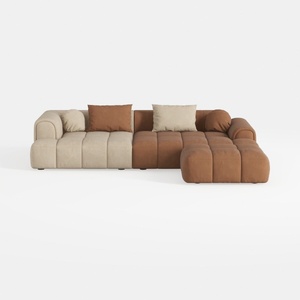
Modern Velvet Sectional Sofa, U Shape Minimalist M

Round Wood Coffee Table - 29.53" Wooden Coffee
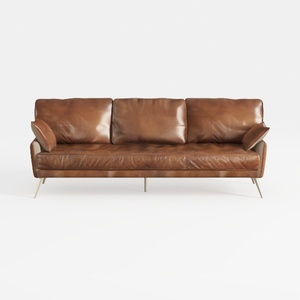
Modern Vintage Leather 3 Seater Sofa With Metal Legs 3D Model
Homestyler is your go-to online home design platform! With its user-friendly design tool, stunning 3D renderings, and an extensive collection of DIY video tutorials, you can easily create and visualize your dream spaces. Let your creativity shine with Homestyler!
Дизайн сейчас бесплатно
































