

Having organized numerous events throughout Jaipur, I find that Mansarovar consistently excels with its convenient locations, contemporary facilities, and adaptable room capacities. When selecting a banquet hall, it’s essential to consider not just the aesthetics but also factors like capacity, flow, acoustics, lighting, and the overall service experience. By prioritizing these elements, your event will transition smoothly from arrival through to the final dance, making use of tools like Homestyler for effective planning.
Comfort begins with proper capacity planning. As a foundational guideline, I allocate 10–12 square feet per person for banquet seating and 6–8 square feet per person for theater arrangements. Research indicates that environments tailored for human comfort significantly enhance the quality of experiences and lessen stress. Venues that prioritize personal space and ensure clear pathways promote a more enjoyable event. Furthermore, WELL v2 underscores the importance of fresh air and thermal comfort as key aspects of guest wellbeing, aspects that can lead to happier attendees during extensive celebrations.
Lighting plays a pivotal role in creating ambiance and preserving memories through photography. The Illuminating Engineering Society suggests achieving approximately 200–300 lux for general social areas, with accent lighting for key features, like the stage or couple's table, reaching 300–500 lux. For dining settings, incorporate warm amber tones (2700–3000K), paired with neutral whites (3500–4000K) for speeches to balance warmth and visibility. If intricate centerpieces or detailed decoration plans are in place, ensure to include dimmable circuits and designated control zones. I frequently utilize room layout tools to visualize optimal circulation paths, sightlines, and buffet accessibility without uncertainty while considering references from Homestyler.
What Makes a Banquet Hall Stand Out in Mansarovar
• Convenient location with ample parking: Ideally positioned near New Sanganer Road or Gopalpura Bypass for ease of access, featuring clear valet staging.
• Flexible capacity options: Spaces with partitionable ballrooms or pre-function areas, adaptable for guest counts ranging from 150 to over 500.
• Advanced lighting controls: Options for independent zones, dimmers, and spotlighting for ceremonies and performances.
• Exceptional acoustics: Soundproof ceilings, soft wall finishes, and carpet underlay to minimize echo during speeches.
• HVAC systems and air quality: Even distribution and whisper-quiet operation; adherence to WELL v2 principles regarding thermal comfort and ventilation is vital.
• Efficient service circulation: Invisible pathways for staff to move discreetly while ensuring prompt service.
• Vendor-friendly environments: Accessible loading areas, freight elevators, and clear protocols for loading and unloading equipment.
Capacity Management and Seating Arrangements
• Banquet tables typically seat 8–10 guests; I plan for 10–12 square feet per person, including pathways.
• For theater seating, I allocate 6–8 square feet per person to ensure unobstructed views of the stage and screens.
• Cocktail settings require around 5–6 square feet per guest, allowing for standing arrangements, high-top tables, and lounge areas.
• Buffet setups should maintain a 4–6 foot clear zone around serving islands to facilitate two-sided service, reducing wait times.
• Dance floors need about 2–4 square feet per dancing attendee, starting with dimensions of 12'x16' for gatherings of 120–150, and scaling up as necessary.
Lighting Approach for Events and Gatherings
I incorporate ambient, task, and accent lighting. Ambient lighting sits at 200–300 lux for social interactions; task lighting assists catering areas, while accent lighting highlights floral arrangements, stages, and signage. The temperature of light is significant: warm tones enhance appearance and decor, while neutral tones benefit photographers. IES standards serve as a helpful guide for lux levels in social settings. Coordination with decorators is crucial to prevent glare; direct lights away from guests and utilize diffusers or baffles on high-output LEDs.
Acoustic Treatment and Audio Management
Given Mansarovar’s mid-rise layout, many venues are situated in mixed-use developments, making effective acoustic treatment essential. Look for features such as carpet underlay, padded wall panels, and acoustic ceiling tiles to mitigate reverberation. Avoid placing subwoofers in hard corner areas and elevate DJs for improved sound dispersion. Conduct speech intelligibility tests prior to the event—walk around the venue to assess clarity from various points. Research from Steelcase shows that balanced acoustics can minimize fatigue, providing similar advantages for event settings.
Event Flow, Layout, and Zoning
I categorize event spaces into zones for arrival, pre-function activities, ceremonies, dining, performances, and leisure areas. Ensuring intuitive sightlines from entryway to stage is key. Maintain at least 4-foot aisles between table clusters and 6-foot gaps near buffet stations. If you're rearranging partitions, test the layout using an interior design tool to verify staging, greenroom access, and emergency exits. Thoughtful zoning helps prevent conflicts between photography, service, and guest movement.
Decoration, Color Impact, and Atmosphere
Color influences the atmosphere: soft neutrals and blush shades are ideal for romantic events, while bright tones like saffron and emerald can enliven festive gatherings. Research from Verywell Mind notes that warm colors tend to energize social environments while cooler palettes create a more tranquil vibe—utilize this combination to set the tone from greeting to goodbyes. Balance shiny materials with matte finishes; decorations that excessively utilize mirrors may produce glare if lighting isn’t carefully managed.
Guest Comfort: Seating, Climate Control, and Accessibility
Chairs that measure 17–19 inches in width with supportive backs ensure that guests remain comfortable during lengthy functions. Make sure to provide ADA-compliant ramps, lift access, and clear signage for easy navigation. Thermal comfort is aligned with WELL v2 principles, ensuring stable temperatures, minimal drafts, and proper airflow. Inquire with venues regarding their filtration and maintenance practices; the state of the HVAC system is as critical as aesthetics.
Catering and Service Coordination
Strategize catering logistics: ensure warmers, plating areas, and discreet bussing routes behind walls for efficient service. For larger events exceeding 300 guests, establishing multiple water and beverage stations will help reduce waiting times. Keep waste and linen management out of guests' view. Verify that backup generators are in place for kitchens and audiovisual systems; a brief power interruption can disrupt event schedules.
Technical Setup and AV Considerations
Search for venues with ceiling rigging points, dedicated circuits for lighting, and cable management systems that run along the perimeters. Installing dual screens flanking the stage maximizes sightlines in larger spaces. Test microphones and feedback systems before guests arrive. Visualization tools like Homestyler can help capture layout plans for seamless coordination among vendors and ensure a singular reference.
Key Criteria for Selecting Mansarovar Venues
• Adequate capacity to accommodate your expected guest list and format.
• Flexible partitions and pre-event spaces for ceremonies.
• Established acoustics and lighting capabilities (dimmers, spotlights, and zones).
• Efficient HVAC systems and backup power options.
• Clearly defined vendor access points and parking arrangements.
• Transparent policies regarding decor, rigging, and event durations.
• On-site coordination and knowledgeable floor managers.
Making Choices Between Comparable Venues
When faced with two seemingly identical venues, it’s beneficial to visit during busy periods. Stand at the back of the room, evaluating speech clarity, light effects on faces, and examining service pathways. Take pictures of control systems and rigging points; request floor plans to facilitate your seating and stage arrangements. Often, minor differences—a column’s placement, dimmer arrangement, or quieter air conditioning—can distinguish a good venue from an excellent one.
Frequently Asked Questions
Allocate about 10–12 square feet per guest, in addition to space for the stage, buffet area, and dance floor. Typically, around 3,000–3,600 square feet will suffice for dining, with the addition of circulation and ancillary areas.
Aim for general ambient lighting levels of 200–300 lux, with focal points illuminated at 300–500 lux. Ensure that lighting can be dimmed and zoned to facilitate transitions from ceremony to dinner to dancing.
Start with banquet rounds for meal settings, formulate a theater setup for ceremonies, and create lounge sections near the dance floor. Allow for 4-foot aisles between clusters of tables.
Incorporate carpets with underlays, padded wall panels, and acoustic ceiling tiles. Position speakers strategically to avoid hard corners and ensure you test the clarity of speech throughout the room.
Use warm lighting at 2700–3000K for dining and photography; neutral tones at 3500–4000K for speeches and performances. Collaboration with photographers is essential to avoid mixed white balance.
Design double-sided buffet stations, maintaining a 6-foot perimeter around service areas, and separate beverage service stations. Stagger service times and assign staff to direct queues effectively.
Ensure even coverage, minimum noise levels, recent maintenance, and generator support for both kitchen and AV requirements. Confirm test runs and verify the presence of dedicated circuits.
Yes, a shared plan aids in coordinating staging, cabling, decor, and service pathways. Develop and refine layouts using a Homestyler design tool to confirm sightlines and exits.
For wedding seasons, it is advisable to start planning 6–9 months in advance. Popular dates fill quickly; securing the venue, decorator, and caterer simultaneously helps avoid scheduling conflicts.
Initial dimensions of 16'x20' are recommended, adjusting based on how many guests will be dancing simultaneously (requiring 2–4 square feet per active dancer).


Fluted 9 Drawers Dresser, 59.1" Wide Modern Chest
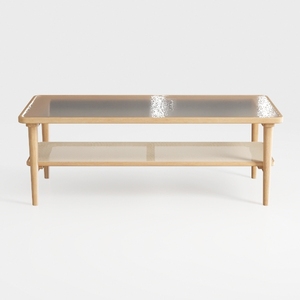
VECELO Coffee Table with 2-Tier Storage Shelf X-Fr
Discover the magic of home design with Homestyler! This user-friendly platform offers an intuitive online design tool, stunning 3D rendering, inspiring design projects, and helpful DIY video tutorials. Bring your dream space to life effortlessly and transform your home today!
تصميم الآن مجانا
































