


I create environments that cater to both humans and their pets, understanding that the movement patterns of small dogs can significantly influence the design of a space. A bed ramp functions not just as a luxury but as an essential mobility aid, promoting joint health, alleviating anxiety, and facilitating smooth nighttime routines. The American Kennel Club reports that small dog breeds are particularly susceptible to issues such as patellar luxation and intervertebral disc disease (IVDD), which can be exacerbated by frequent jumping from furniture. Coupled with the National Safety Council's data on thousands of home fall-related injuries annually, it's evident that our furry companions also require safer vertical transitions. From my experience, effective ramps harmonize height, tread texture, and visual cues so that dogs instinctively opt for the ramp instead of attempting a leap.
Core design principles reflect human ergonomics: a consistent gradient, clear navigation, reduced glare, and appropriate tactile feedback. The WELL Building Standard stresses the importance of mobility-friendly circulation and minimizing slip hazards, which can be seamlessly applied to pet pathways. Lighting plays a crucial role as well; the Illuminating Engineering Society suggests using soft, uniform lighting to prevent harsh contrasts that may confuse sensitive animals. In bedrooms, employing a warm 2700–3000K bulb positioned away from direct line of sight and directed towards the ramp can help small dogs gauge depth without encountering shadows. If you’re considering where the ramp meets the bed, utilizing an interior layout planner can assist in visualizing spacing and movement around furniture and doorways using a room design visualization tool.
Advantages of Bed Ramps for Small Dogs
• Joint protection: Frequent jumping may compress discs and tax joints. Gentle slopes can decrease peak impact forces, which is particularly beneficial for breeds prone to IVDD, such as Dachshunds and Shih Tzus.
• Boosting confidence and independence: Puppies, older dogs, and those recovering from surgery tend to experience a sense of autonomy when they can easily access the bed. This can lead to a reduction in vocalizations and disruptive behavior at night.
• Maintaining routine consistency: A dependable ramp diminishes hesitation and accidents during low-light situations, allowing pet owners to sleep more soundly through the night.
Optimal Slope, Rise, and Run
For most small dogs, I recommend a slope measuring between 18–22 degrees, translating to a rise-to-run ratio of approximately 1:3 to 1:2.5 (for every inch of elevation, ensure 2.5–3 inches of ramp length). Therefore, for beds that are 24 inches tall, a ramp length of about 60–72 inches will feel natural for dogs. Toy breeds or elderly dogs may find a slope of 15–18 degrees more comfortable. It's advisable to maintain tread depths of at least 10–12 inches to ensure stable footing; narrower runs may prompt jumping instead of walking. Adding side rails that are 2–3 inches high can guide lateral movement without creating a confining tunnel effect.
Material and Traction Considerations
The choice of materials is crucial for safety. Closed-loop carpet provides a textured grip while being gentle on nails, while high-friction rubber with a Shore A rating of 60–70 ensures durability and ease of cleaning. Avoid glossy laminates and thin felt surfaces, as they wear quickly and increase slipping risks. For noise-sensitive pets, adding a cork underlayment can reduce sound impact and protect flooring. The tread color is also important; dogs have a better perception of blues and yellows compared to reds. Selecting a medium-value, low-gloss gray or blue can help minimize glare and enhance depth perception in dim light.
Illumination, Visibility, and Nighttime Usage
Employing low-level, indirect lighting along the ramp is essential in preventing shadows from obstructing the path. A plug-in night light in the warm 2700–3000K range, placed behind the ramp, can create adequate contrast without overwhelming the dog's vision. If you opt for a motion-sensor light, it's wise to configure it for a gradual fade-in to avoid startling pets. When dealing with beds placed by windows, incorporating light-filtering shades can help manage morning glare, ensuring visibility remains consistent at both dawn and dusk.
Strategic Placement and Room Flow
It's best to position the ramp where your dog naturally approaches the bed—typically at the foot or on the side opposite the main flow of traffic. Ensure at least 24–30 inches of space around the ramp to prevent human tripping hazards while giving dogs room to turn comfortably. In smaller bedrooms, consider a shallower platform coupled with a short ramp positioned parallel to the bed to optimize floor space. To visualize your options prior to making a purchase, an interior layout planner can effectively simulate bed offsets, nightstand dimensions, and circulation paths using a room design visualization tool.
Sturdiness, Weight Capacity, and Safety Features
Select ramps that are rated to support at least 2–3 times your dog's weight for added safety. A broad base and non-slip feet can help prevent lateral shifting, especially on hardwood floors. For adjustable ramps, metal locking mechanisms that securely click into place are recommended; avoid single-screw friction locks for everyday use. Additionally, a soft edge on the top landing helps to minimize the risk of paw injuries, and keeping the ramp landing level or slightly below mattress height ensures dogs step up rather than down, reducing confusion.
Training and Behavioral Insights
Introducing a ramp requires patience and gradual acclimatization. Begin by placing the ramp flat on the ground to help your dog become familiar with it. Reward forward movements with high-value treats and gradually shift the ramp's incline over time. For dogs that are accustomed to jumping, consider placing a visual barrier (such as a cushion block) at common leap areas to encourage them to use the ramp instead. Keep the runway clear of obstacles—such as stray blankets—and store toys away from the landing zone to prevent disruptive incidents.
Cleaning, Maintenance, and Durability
Opt for removable, machine-washable covers or sealed rubber surfaces for easy cleaning and hygiene. Regular vacuuming, especially around edges prone to fur accumulation, is essential, and be sure to check fasteners every month as wood ramps can loosen due to humidity changes. If you observe any slipping, promptly replace worn tread strips to prevent the formation of bad habits. In households with multiple dogs, make sure to label angle settings, so it's easy to restore the preferred incline after cleaning.
Aesthetic Design and Integration
A ramp can be a functional yet visually appealing element in your room's design. Align the frame finish with that of your bed legs or nightstand hardware, and maintain a matte tread surface to reduce glare. Incorporating soft curves can lighten the appearance and be gentler on shins. For a minimalist aesthetic, a slim aluminum frame with cork-rubber tread may be ideal, while traditional rooms can benefit from stained hardwood edges paired with low-pile carpeting to create a cohesive look.
Measuring Your Bed and Dog for Better Fitting
• Bed height: Measure from the floor to the top of the mattress to determine the necessary ramp length.
• Dog size and stride: Observe your dog's walking pattern—dogs with shorter strides may require deeper treads for comfort.
• Approach path: Identify where your dog naturally waits for assistance and position the ramp in that area.
• Floor type: Ensure anti-skid features for tiled or sealed wood floors. While carpet can add friction, trim the base of the ramp for a flat position.
Budget and Types of Ramps
• Fixed ramps: These ramps offer the most stability and quiet, ideal for daily use.
• Folding ramps: Great for limited spaces; make sure they feature high-quality hinges.
• Convertible stairs-to-ramp: These are versatile for mixed preferences, but ensure the tread width is safe for descending.
• Custom-built options: Tailor the ramp to meet specific height and aesthetic requirements, especially beneficial for unusually tall beds.
FAQs about Ramps and Dogs
Q1: What is the safest slope for a small dog?
A1: Aiming for a slope of 18–22 degrees generally works for most small breeds, while toy breeds and older dogs may find a gentler 15–18 degrees preferable for joint safety.
Q2: How wide should the ramp be?
A2: A width of 12–16 inches is suitable for most small dogs. Wider designs tend to feel safer and deter jumping off the edges, particularly for nervous pets.
Q3: What tread materials offer the best grip?
A3: Closed-loop carpet or medium-durometer rubber are excellent for traction and easy maintenance. It's best to avoid glossy surfaces that can become slippery underfoot.
Q4: Does lighting significantly influence ramp usage?
A4: Absolutely. Warm, low-glare lighting aids in depth perception and lessens hesitation at night. Gentle contrasts keep shadows from breaking the pathway.
Q5: How can I train my dog to use the ramp?
A5: Start with a flat ramp, reward any forward steps, and progressively increase the slope over several days. Blocking common jumping spots can help redirect behavior.
Q6: What safety features are essential in a ramp?
A6: Look for non-slip treads, anti-skid feet, 2–3 inch high side rails, and a secure locking mechanism for adjustable ramps. A flush landing area minimizes missteps.
Q7: How can I integrate a ramp into a small bedroom?
A7: Situate the ramp along the bed side to optimize space and maintain 24–30 inches of clearance. Consider a foldable design and use an interior layout planner to visualize the best placement.
Q8: How frequently should I maintain the ramp?
A8: Regular vacuuming is recommended, checking fasteners monthly, and replacing worn treads as needed. Machine wash removable covers according to fabric guidelines to keep traction effective.
Q9: Are stairs preferable to ramps?
A9: While stairs may be suitable for agile dogs, ramps tend to be gentler on joints and safer for older pets, toy breeds, and those in recovery.
Q10: What strategies can I use for extremely high beds?
A10: Utilize longer ramps to maintain gentler slopes or incorporate stable intermediary platforms. Ensure both ramp and bed landings are level and properly illuminated for safety.

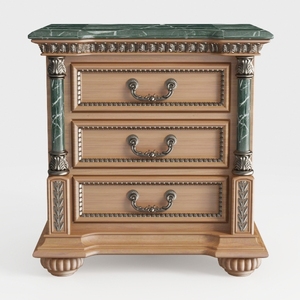
Classic Vintage Marble Top Solid Wood 3 Drawer Nightstand 3D Model
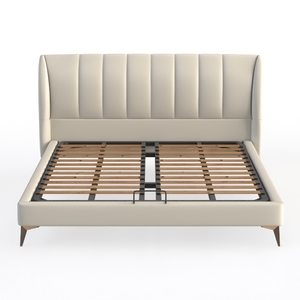
Modern Minimalist Leather Upholstered Platform Bed 3D Model
Homestyler is your go-to platform for effortless home design! With its user-friendly online design tool, stunning 3D renderings, and a wealth of inspiring design projects and DIY video tutorials, you can easily transform your space into a masterpiece. Start designing today!
Design Now for FREE
































