

Selecting a venue for an Arya Samaj marriage is about embracing Vedic simplicity while ensuring a warm atmosphere for family and friends. In my experience of planning and enhancing communal spaces, I prioritize venues that harmoniously blend the spiritual aspects of the ceremony with the comfort of the guests, as well as effective logistics—making the celebration feel seamless and genuine.
The comfort of the guests plays a crucial role in the overall ambiance of the ceremony. Factors like seating comfort and sound clarity significantly influence the experience. Research from Steelcase indicates that improved seating ergonomics enhance cognitive focus and alleviate physical discomfort, allowing guests to stay engaged longer—an important aspect for ceremonies filled with rituals. Additionally, WELL v2 outlines strategies to enhance acoustics, reducing distractions and listener fatigue, thereby ensuring mantras and vows remain clearly audible without strenuous amplification. For reliable guidance on acoustics and wellness, I adhere to the WELL v2 and IES standards for necessary lighting during readings and rituals.
Essential Considerations for an Arya Samaj Marriage Venue
• Ritual conformity: Verify the havan kund area is clean and well-ventilated, with a minimum radius of 1–1.5 meters free of flammable items, providing convenient access for the priest and clear pathways for ritual activities.
• Human-centric design: Emphasize optimal seating angles (95–105° backrest), seat heights of 450–480 mm, and aisle widths of at least 900 mm to accommodate children and elderly guests. Research from Steelcase links guest comfort to engagement, ensuring a respectful atmosphere throughout the ceremony.
• Acoustic quality: Aim for a reverberation time (RT60) between 0.8 and 1.2 seconds for mid-sized venues to maintain clarity of speech. Incorporate soft materials such as fabric chairs, rugs, and acoustic panels to minimize echo while upholding clarity for sacred chants.
• Lighting: IES lighting standards recommend maintaining 300–500 lux for reading mantras, accompanied by warm ambient light within the 2700–3000K range to enhance the ceremonial atmosphere. Avoid glare around the sacred fire by utilizing indirect lighting solutions and matte finishes.
Accessibility, Location, and Traffic Flow
Easy access to public transportation and safety during evening events is vital for family groups. Establish a gathering area before the ceremony to ease congestion near the havan area. The layout should facilitate intuitive movement: guests should arrive, secure their belongings, and settle in without disturbing the ritual space. I conduct simulations of seating configurations, aisle arrangements, and safety clearances using a room layout tool to ensure optimal guest movement and comfort.
layout optimization tool
Sincere Atmosphere with Minimalism
Arya Samaj ceremonies embody dignity and restraint. The selection of materials should reflect this ethos: prefer natural fibers, understated floral arrangements, and soft color schemes. According to Verywell Mind, soothing neutrals with hints of saffron or marigold can instill a sense of tranquility and warmth, keeping visuals from overwhelming the senses. Ensure that all decor is fire-safe and that centerpieces are placed away from the havan area to keep sightlines clear.
Acoustic Clarity for Sacred Chants
Maintaining clarity is essential. Use sound-absorbing elements such as upholstered seating, wall panels at key reflection points, and ceiling baffles to reduce echo. Refrain from using uninterrupted glass walls without drapes, as they can amplify sound reflections. Ensure the priest’s position is away from hard corners to mitigate flutter echoes. If amplification becomes necessary, opt for a discreet column speaker for balanced sound coverage rather than several loudspeakers that can create uneven sound patterns.
Light Control and Glare Management
Warm ambient lighting helps set the overall mood, while task lighting ensures readability during the ceremony. A combination of light sources is ideal: use indirect ceiling lighting, low-glare downlights placed away from the fire, and adjustable task lamps to assist with the priest’s texts. Shield light fixtures to prevent direct visibility of bright sources. Target a brightness level of 300–500 lux on reading surfaces while ensuring the fire remains a prominent visual element that does not overshadow the ceremony with harsh shadows. Dimming capability can facilitate a smooth transition from guests arriving to the ceremony.
Safety, Accessibility, and Comfort
Planning for safety is fundamental: use fire-rated flooring around the havan, ensure extinguishers are readily available, and maintain clear signage. Accessible design entails providing ramps, handrails where necessary, and tactile floor markers for elderly guests. Include seating options with arms for easier standing. A designated quiet room for infants or elderly guests allows for a stress-free environment and elevates focus in the main space.
Capacity Considerations and Seating Arrangements
Selecting the right hall capacity is crucial to prevent overcrowding. I calculate necessary seating space using dimensions of 0.5–0.6 m per chair, plus aisles of 0.9–1.2 m and 1.5 m buffers for rituals. Position family seats closer to the ceremony to encourage participation, while reserving outer seating for latecomers and children. Circular or semi-circular seating arrangements enhance visibility for vows, while rectangular layouts can accommodate larger gatherings efficiently.
Timelines and Workflow Management
Coordinate vendor schedules to maintain tranquility in the lead-up to the ceremony. Arrange for a pre-ceremony check of sound and lighting. Provide a discreet storage area for floral arrangements, puja items, and personal belongings; minimizing clutter near the ritual space contributes to both safety and visual appeal. Restroom facilities should be conveniently located but acoustically isolated from the main area.
Financial Planning and Prioritization
Allocate your budget towards acoustics, seating, and lighting—these three elements significantly impact guest experience. Simplify cosmetic decor while investing in quality sound systems, comfortable seating, and illumination that minimizes glare. Request clarity on what the venue provides (such as chairs, basic audio systems, and cleaning) and understand their overtime policies to mitigate potential complications on the event day.
Vendor Collaboration and Ritual Preparation
Prepare a checklist that includes the seating arrangement for the priest, a heat-resistant mat around the havan, provisions for ash removal, and a supply of water and sand. Establish a rule against aerosols near the sacred fire, and ensure the venue has appropriate ventilation and emergency exit pathways. Floral arrangements should be modest and distanced from the fire, and the photographer should be briefed on low-flash practices during chanting.
Design Innovations for 2024-2025 that Uphold Tradition
• Cozy, multi-layered lighting with warm tones that enhance skin tones and the aesthetics of textiles.
• High-comfort seating designed with breathable materials for lengthy ceremonies.
• Subtle biophilic aspects like potted plants and natural textures to soothe pre-ceremony anxiety.
• Discreet acoustic treatments incorporated into wall designs or ceiling structures.
Critical Questions Before Finalizing Your Venue
• Can the venue provide the necessary safety space around the havan?
• What is the venue's reverberation time, and do they offer any basic acoustic enhancements?
• Are the seating options accommodating for elderly guests (i.e., armrests, supportive backs)?
• What sort of lighting control systems do they have in place (e.g., dimming options, glare shielding)?
• Is there a specific area for preparing puja items and a quiet room for infants and elderly attendees?
• How does the venue manage the flow of guests upon arrival and departure?
Common Inquiries
Q1: How do I determine the appropriate capacity for an Arya Samaj ceremony?
A: Project a width of 0.5–0.6 m per chair, include 0.9–1.2 m for aisles, and maintain a safety space of 1–1.5 m around the havan. For about 150 guests, you'll typically need a venue of 200–240 sq m that accommodates seating plus ritual and circulation areas.
Q2: What lighting levels are best for reading mantras and vows?
A: Aim for 300–500 lux at the reading surfaces, incorporating warm lighting within the 2700–3000K range. Ensure fixtures are positioned to avoid glare near the fire, and use dimmers to help with transitioning from welcome to ceremony.
Q3: How can I keep chants clear without relying on loudspeakers?
A: Target an RT60 between 0.8 and 1.2 seconds, incorporate soft finishes, and consider a discreet column speaker for even sound coverage if necessary. Avoid walls that are hard and parallel without sound treatment.
Q4: What seating options are beneficial for elderly individuals?
A: Chairs equipped with armrests, between 450 and 480 mm in seat height, supportive backs at angles of 95–105°, and wide aisles of at least 900 mm are ideal. These features lessen strain and facilitate standing.
Q5: Which colors are appropriate for Arya Samaj decor?
A: Utilizing neutral tones with saffron or marigold highlights portrays serenity and tradition. Soft shades help minimize visual fatigue, keeping the focus on the ceremonial aspects.
Q6: How can I safely manage the area around the sacred fire?
A: Implement fire-rated mats, keep decor and materials at least 1 meter away from the flame, maintain extinguishers nearby, and avoid aerosols. Check on ventilation and exit routes.
Q7: What is a practical audio strategy if the venue is considerably large?
A: A singular column array at moderate volume, positioned in front of the priest, mitigates hotspots and ensures a natural sound. Combined with acoustic panels or drapery can help to manage sound reflections.
Q8: Is it possible to have minimal decor while still achieving a ceremonial feel?
A: Certainly. Utilizing natural fibers, modest floral arrangements, and clean lines aligns with Arya Samaj principles. Workshop lighting and spatial arrangement can establish the atmosphere more than excessive decoration.
Q9: How should I manage the flow of arrivals and seating?
A: Create a welcome area, provide appropriate storage for belongings, and guide seating arrangements. Horseshoe layouts enhance sightlines and encourage participation while ensuring aisles remain clear.
Q10: What key details should I clarify with the venue's contract?
A: Make sure to confirm included services (like chairs, audio equipment, cleaning), overtime rates, setup timing, and compliance with safety standards. Address specific ceremony needs such as the havan setup and proper ventilation.

Minimalist Solid Wood Fabric L Shape Sectional Sofa 3D Model
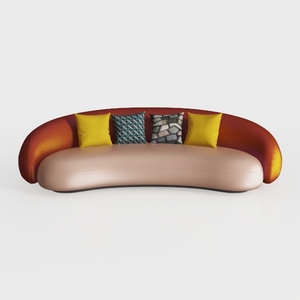
Modern Two Tone Fabric Curved Sofa With Decorative Throw Pillows 3D Model

Minimalist Solid Oak Linen 3 Seater Sofa 3D Model
Looking to transform your home? Homestyler is an exceptional online design platform that empowers you with its user-friendly design tool, stunning 3D renderings, and a plethora of DIY video tutorials. Dive into countless design projects and effortlessly create your dream space today!
Design Now for FREE
































