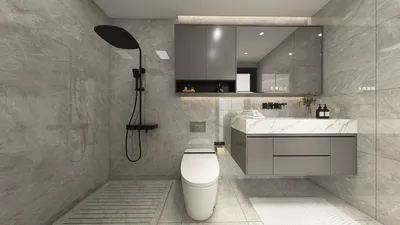


When I create pooja rooms, I treat the space as I would a small chamber designed for focus, carefully manipulating elements such as light, sound, tactile sensations, and the flow of rituals. Choosing the perfect floor tile goes beyond aesthetics—it plays a crucial role in ensuring proper posture during prayers, absorbing disruptive noises, and diffusing soft light at a soothing level. The WELL v2 guidelines suggest aiming for a brightness of 300–500 lux for a comfortable atmosphere, and selecting matte or low-sheen tiles guarantees the light reflection remains within that ideal range. Research from Steelcase has also shown that environments with minimized visual distractions and enhanced material comfort significantly boost user satisfaction and wellbeing—insights I integrate into creating tranquil spaces for spiritual practice with tools like Homestyler to visualize these aspects effectively.
The selection of colors is just as pivotal as the texture of the tiles. Insights from Verywell Mind emphasize that softer neutral shades (such as cream and light gray) can help lower arousal levels and foster a reflective environment, whereas intense warm hues can elevate energy. In pooja rooms, I tend to use warm-neutral colors like beige, taupe, or sand for the flooring to help maintain a serene atmosphere and direct focus towards the altar’s icons. During my assessments in family homes, I've noted a decrease in echo with textured stone or matte porcelain flooring, leading to improved speech clarity and a more peaceful environment conducive to chanting and bell sounds.
Essential Factors to Consider When Selecting Floor Tiles for Pooja Rooms
• Surface finish and glare management: To ensure soft reflectance, opt for matte or honed surfaces that align with the 300–500 lux target (as indicated by WELL v2). High-gloss tiles may lead to glare under downlights or diyas, distracting during rituals.
• Texture and safety: Comfort underfoot is essential. A microrough finish with a slip rating of R9–R10 strikes a good balance between safety and warmth; avoid overly coarse textures that may feel harsh while kneeling.
• Psychological impact of color: Light warm neutrals soothe the mind. Reserve darker shades solely for framing the altar area to maintain visual lightness throughout the space.
• Sound absorption qualities: Bright acoustics can come from materials like porcelain and stone; therefore, selecting veined, textured, or leathered surfaces and incorporating a small natural-fiber rug (placed away from diya zones) helps to mute footfall sounds.
• Practicality during rituals: Choose tiles that endure oil lamps, kumkum, and turmeric. Materials like dense porcelain, quartzite, and sealed natural stones resist stains better than softer marbles. Opt for narrow grout joints (2–3 mm) uisng stain-resistant grout to enhance durability.
Recommended Tile Materials for Pooja Rooms
For most urban residences, I prefer specifying 8–10 mm matte porcelain, which is cost-effective, highly water-resistant, and presents a gentle natural stone appearance. Aim for 30–40% reflectance with low gloss levels. Full-body tiles provide consistent color if chipped, while rectified edges allow for narrow joints, resulting in a cleaner sacred aesthetic when designed with tools like Homestyler.
Honed marble offers a delicate radiance without the slickness of polished finishes. Options such as Thassos, Makrana, or Carrara in honed finishes bring a timeless quality, although maintenance is critical as turmeric and sindoor stains can damage if not addressed. I suggest placing marbles away from direct diya areas or using a small stone tray to catch any oil drips.
Granite stands out for its robustness, making it ideal for frequent rituals. Leathered surfaces introduce subtle texture and glare reduction, enhancing grip while barefoot. When selecting patterns, opt for warmer tones (like Kashmir white or soft greys) to keep the atmosphere inviting.
Quartzite provides depth and superior stain resistance compared to many marbles. Opting for dense limestones in a honed finish (like cream or beige) infuses warmth; ensure thorough sealing and regular maintenance for longevity.
For homes that embrace rustic charm, sealed terracotta delivers tactile warmth and acoustic comfort. Opt for smaller tiles (150–200 mm) for a cohesive look, and finish with a breathable, stain-resistant seal. These tiles harmonize beautifully with brass and wooden elements.
Color and Pattern Techniques to Foster Tranquility
• Monochromatic layers: Create a warming effect using shades of sand, oatmeal, and light taupe across your flooring and millwork, centering attention on the deity niche.
• Subtle decorative inlays: A simple brass or stone inlay framing the altar platform promotes a sense of order without overwhelming the visual plane.
• Scale of patterns: If you enjoy patterns, keep them small and low-contrast on the floors; reserving bold designs for the backdrop rather than underfoot conveys elegance without clutter.
• Aesthetic balance: Adhere to a soothing 60-30-10 color palette: 60% warm-neutral flooring, 30% muted wall/wood tones, and 10% metallic highlights (think brass or antique gold).
Optimizing Lighting and Tile Finish for the Right Ambiance
The flicker from diyas can produce striking reflections on glossy floors; therefore, keeping the floor finishes matte and illuminating the room with warm 2700–3000K LEDs, achieving around 300–500 lux at task height (following WELL v2 recommendations), is crucial. Complement your deity niche lighting with shielded LED strips to minimize glare impacting the floor surface. When refining layouts, utilize room design tools like Homestyler to experiment with light placement and floor reflectivity before finalizing tile purchases.
Ergonomics and Ritual Flow Considerations
• Comfort during kneeling: Combine a matte, microrough tile with a movable kneeling mat while keeping joints tight so kneecaps avoid contact with grout lines.
• Space planning: Ensure there is a clear width of 900–1050 mm in front of the altar to facilitate prostration and movement.
• Altar platform design: Slightly elevate the altar platform (60–100 mm) using the same or complementary stone; refrain from slippery polished edges.
Maintenance and Longevity Tips
• Sealing regimen: Natural stones require re-sealing every 12–24 months based on use; a simple water test can indicate the need for resealing—if the water darkens quickly, it's time.
• everyday upkeep: Use pH-neutral cleaners and steer clear of acidic substances on marble or limestone surfaces. Always wipe oil lamp spills immediately for easier maintenance.
• Grout maintenance: Opt for epoxy or stain-resistant grouts to maintain clean lines in high-traffic areas.
Tile Size, Layout, and Proportionality
• Optimum tile dimensions: In smaller pooja rooms, utilizing 600×600 mm or 600×900 mm tiles can minimize excessive cuts and promote a calming appearance. Large tiles, while grand, may amplify echoes, so consider acoustics.
• Tile alignment: Lay tiles perpendicular to the altar wall to reinforce directional flow. When dealing with niches, align grout lines with the baseboard or altar's plinth to create visual rhythm.
• Prototype first: Employ an interior layout planner to position the altar, diya lamps, and seating, overlay tile grids for accurate grout alignment with prominent features; using simulation tools can help visualize this before making a decision.
Emphasizing Sustainability and Indoor Air Quality
Utilizing low-VOC adhesives and grout will protect air quality indoors. Dense porcelain emerges as a low-maintenance, durable option; always select suppliers with transparent Environmental Product Declarations. Repurposing natural stone offcuts for altar platforms or diya trays can help reduce surplus. Moreover, choosing soft, warm LED lighting with dimmable options ensures a consistent ritual glow while minimizing energy consumption.
Curated Tile Selections
• Matte porcelain in warm beige tone
• Brass inlay outlining the altar area
• Honed limestone plinth for the idol
• Sealed, small-format terracotta tiles
• Handcrafted teak baseboard
• Antique brass diya plate set on a honed granite slab
• Honed white marble flooring with selected veining
• Minimal grout with meticulous joints
• Soft brass elements complemented by warm 3000K lighting
Expert Insights
For optimal visual comfort, I align my choice of floor finishes with the WELL v2 guidance regarding glare and light levels, steering clear of reflective surfaces in sacred spaces. My designs for user comfort and behavioral focus take cues from workplace success studies by Steelcase, emphasizing a visually calm material palette which translates effectively into serene areas for contemplation, especially when visualized with platforms like Homestyler that aid in the design process.
FAQ Section
Q1. What tile finish is most conducive to a peaceful pooja room?
Opt for a matte or honed finish, as it reduces glare and maintains soft light reflection under warm 2700–3000K lighting, fostering a serene atmosphere.
Q2. Are glossy tiles ever suitable for pooja rooms?
I generally avoid them for main fields. If you prefer a slight sheen, confine it to a small accent area or the altar plinth, while keeping the primary walking surface matte to ensure tranquility.
Q3. Which tile materials are best at resisting turmeric and oil stains?
Dense matte porcelain, leathered granite, and sealed quartzite perform admirably. Honed marble can suffice with diligent sealing and prompt cleanup, though it's more prone to staining.
Q4. What hues for flooring enhance focus during prayer?
Warm neutrals such as sand, oatmeal, and soft taupe are ideal. They promote a balanced mood and ensure altar flowers and metallics remain focal points visually.
Q5. How can I manage echo in a compact stone-floored pooja room?
Utilizing textured or leathered finishes, adding a natural-fiber rug away from diya areas, and partially softening walls with wood or fabric panels all help to mitigate echo.
Q6. What tile dimensions work effectively in small pooja rooms?
Sizes of 600×600 mm or 600×900 mm maintain proportionate visual appeal while minimizing cuts. Ensure grout lines are aligned with the altar for a cohesive look.
Q7. What type of lighting pairs well with matte flooring?
Choose warm LEDs in the 2700–3000K range, delivering approximately 300–500 lux for your ambient lighting needs, complemented by shielded lighting for the deity niche to avoid floor reflections.
Q8. How should I care for natural stone floors?
Seal upon installation and every 12–24 months. Clean with pH-neutral cleaners, and address any oil spills promptly. Periodically check for absorption to time resealing effectively.
Q9. Can I incorporate inlays without affecting tranquility?
Absolutely—utilizing a single, thin brass or stone inlay surrounding the altar platform can enhance structure while maintaining a serene ambiance by keeping contrasts subtle.
Q10. Is terracotta appropriate for pooja areas?
It can be a beautiful choice if adequately sealed. Its warmth and texture can enhance comfort, though it's best to avoid placing diyas directly on unprotected terracotta.
Q11. How do I plan the layout prior to purchasing tiles?
Outline altar, seating, and diya locations, and lay a tile grid over the design. Using a digital layout planner assists in testing grout alignments and light reflections before making a commitment.
Q12. What grout shade is recommended?
Select a tone matching or complementary to the tile to reduce visual clutter. Employ stain-resistant grout in high-traffic zones for easier upkeep.
Q13. Are large-format slabs advisable?
While they create a seamless look, large slabs may amplify echoes and reflect light more prominently; if chosen, ensure to stick with honed finishes and implement sound-absorbing strategies.
Q14. How do I reduce slipperiness during rituals?
Choose microrough matte finishes (R9–R10 range or equivalent), position oil trays under diyas, and promptly clean up any spills.


Looking for a hassle-free way to design your dream home? Homestyler offers an intuitive online design tool, stunning 3D renderings, and a wealth of DIY video tutorials. Whether you're a beginner or a pro, unleash your creativity and transform your space effortlessly!
立即免费设计
































