

Having designed numerous celebrations in East Delhi, I find that Pearl Grand Banquet Hall Karkardooma consistently excels due to its well-balanced proportions, dependable services, and effective guest circulation. This article outlines the essential factors such as capacity planning, lighting, acoustics, material recommendations, and contemporary trends I incorporate while creating engaging ceremonies and receptions at this venue, often utilizing Homestyler to visualize layouts effectively.
Before we delve deeper, let’s set the stage with some pivotal data points that inform efficient decision-making. According to Gensler’s Workplace Research, environments that boast spatial clarity and intuitive navigation enhance the quality of the perceived experience. I apply this wisdom to events through defined zones and clear sightlines. Additionally, the WELL Building Standard offers insights on optimal melanopic lux levels and glare control, crucial for maintaining visual comfort during lengthy ceremonies and photography sessions. Steelcase research indicates that spaces accommodating diverse postures and social interactions help keep guests engaged longer, a vital consideration when designing pre-function lounges and dining configurations. I will cover these benchmarks in understandable, event-ready terms. For further exploration, refer to WELL guidance at wellcertified.com.
Understanding Capacity, Dimensions, and Seating Arrangements
The primary ballroom at Pearl Grand typically caters to 250–500 attendees comfortably, varying with the depth of the stage, buffet size, and dance floor area. My initial step involves calculating the spatial ratios: allocate 40-50% for dining, 20-25% for the stage/backdrop and circulation, 15-20% for the buffet and service area, leaving the remainder for dance and photography zones. Round tables measuring 60 inches can accommodate 8 guests comfortably for plated dinners; for buffet-heavy occasions, they can stretch to 10, although this will constrict aisles. It’s essential to maintain primary aisles at 1.5–1.8 meters (5–6 feet) for server movement and traditional attire; secondary aisles should span 1.2 meters (4 feet).
For those testing traffic designs, leveraging a room layout tool can help clarify stage placement, table layouts, and relieve buffet congestion. When experimenting with different headtable versus center-stage configurations, I evaluate sightlines from 70% of the tables to ensure that no pillar or floral display obstructs the couple's backdrop in any arrangement.
Arrival, Wayfinding, and Flow for Pre-Function Areas
First impressions are crafted from the moment guests reach the porte-cochère and the entry foyer. I position the welcome desk away from the main route to minimize bottlenecks, guiding guests along a subtle S-curve leading to photo opportunities and refreshment stations. People naturally pause at thresholds; constructing a micro-lounge with comfortable seating for elders and families absorbs early crowds effectively. Signage should be eye-level with contrasting colors; Gensler’s findings on intuitive environments highlight the importance of reducing decision points and providing clear visual markers.
Designing the Stage: Height, Backdrops, and Sightlines
The traditional stage design at Pearl Grand typically reads well around 18-24 inches in height for a guest count of 300–400. For events exceeding 500 attendees, I elevate the stage to 30 inches and can also raise the first row of guest tables slightly or utilize staggered floral arrangements to enhance visibility in photographs. A balanced backdrop should visually center around the middle third and taper towards the edges. Additionally, arrangements like arches or chandeliers must align with the table centrelines to maintain a cohesive visual rhythm. If LED walls are included, it is crucial to establish a dimmer baseline to minimize glare affecting diners, which is essential to the overall lighting strategy.
Lighting Environment: Warmth, Photography, and Overall Comfort
For weddings and receptions, maintaining a warm color temperature in the range of 2700K–3000K is ideal for flattering skin tones. I establish a layered lighting scheme: ambient uplighting at 2700K, spotlight accents at 3000K for floral and stage highlights, and task lighting near buffet stations. Following WELL’s principles for glare control allows for practical steps: utilizing a diffuse wash on walls to prevent harsh contrasts, positioning focused lighting slightly off-axis to reduce eye strain, and ensuring generous beam spreads over the dance floor. Photographers often recommend a stage lighting temperature around 3200K–3500K to enhance complexions, which I balance with warmer ambient lighting on the dining area for visual harmony. Testing dimmer curves beforehand is crucial to ensure no flickering occurs, especially for video recordings.
Acoustic Comfort and Musical Balance
Although upbeat music energizes an event, it’s the clarity of dialogue that leaves a lasting impression. To prevent overwhelming sound, I place speakers in the corners to minimize boom and utilize two smaller arrays aligned along the long axis rather than one large stack. Carpet runners near the buffet and bar areas can help muffle noise; draping behind the stage enhances vocal clarity for speeches and rituals. Creating a softer sound zone around tables for elders, reducing peak volume by 3–5 dB, is essential. Conducting sound checks from various heights (seated vs. standing) allows the identification of harsh sound reflections that may go unnoticed at the mixing table.
Color Psychology and Material Use
Color has an unparalleled ability to set the tone of an event. Insights from Verywell Mind on color psychology resonate with my observations: warm reds and marigold accents generate energy at entrances and photo zones; serene hues like sage and blush create a calming atmosphere for dining areas, while deep shades of plum or navy blue introduce a touch of formality for evening receptions. Metallic tones, particularly champagne over bright gold, tend to photograph beautifully under warm lighting. The choice of materials is also vital; low-pile carpeting supports both stilettos and accessibility needs, while matte finishes on tables eliminate glare in photography.
Dining, Service, and Buffet Management
For a buffet catering to 300 guests, I design two parallel serving lines with a minimum depth of 2.4 meters (8 feet) from front to back (including queue and service space) and ensure a 3-meter (10 feet) clearance to adjacent tables. Arranging live cooking stations away from the main dining area helps avoid smoke accumulation. Service paths should encircle the perimeter of the room, allowing smooth tray movement and minimizing guest cross-traffic. Water stations should be strategically positioned every 12-15 tables to alleviate congestion for servers. Cake tables and dessert displays should be set perpendicular to the primary traffic flow to facilitate guest access without hindering movement.
Ergonomics and Considerations for Accessibility
Research from Steelcase regarding diverse seating options reminds me to include a mix of seating: comfortable banquet chairs with slight recline near the stage for elderly guests, informal lounge areas for relaxed conversations in pre-function zones, and high-top tables at bars for brief gatherings. Providing two quiet seating areas with a clear sightline to the stage ensures those who prefer to avoid the dance floor still remain engaged. Ramps should adhere to a non-slip surface and maintain a 1:12 gradient to accommodate movement between surfaces.
Photography Areas and Processional Timing
I allocate a 3 x 4-meter zone for family photographs, utilizing side lighting at 3000K powered by softboxes or bounced LEDs. For processions, routes work best with two gentle pauses (such as at the entry arch and a mid-aisle spotlight) for the couple, providing photographers with moments to capture without disrupting flow. Floral arches should be designed to be slim at shoulder height but fuller above eye level to preserve the aisle's width.
Emerging Trends for 2024–2025 Suitable for Pearl Grand
- Minimalist, sculptural floral arrangements with asymmetrical designs that maintain open sightlines. - Warm, dimmable lighting that can smoothly transition from ceremony ambiance to celebration mode. - Mixed seating arrangements—creating islands of lounge and dining for a dynamic experience. - Digital guestbook areas with cozy lighting and noise management. - Subtle sustainability measures: reusable floral displays, local and seasonal botanical selections, and linens with a higher percentage of recycled materials.
Layout Examples for Varying Guest Counts
- For 200–250 guests: Choose a center-stage setup with a shallow depth, utilize an 18-inch riser, and arrange 20 tables seating a maximum of 10 each; ensure a spacious, centered dance floor. - For 300–350 guests: Opt for an end-stage configuration with symmetrical rounds; feature two mirrored buffet lines; position the dessert station close to the photo area for better traffic flow. - For 400–500 guests: Offset the stage to provide a larger dance area; utilize a serpentine buffet layout with additional beverage stations to alleviate lines; stagger screens ensure visibility for those further away from the stage. Homestyler can be used to visualize and stress-test these layouts and service routes effectively.
Coordinating Vendors and Conducting Rehearsals
I schedule a one-hour on-site rehearsal involving lighting and sound checks with the photographer and DJ, followed by a 30-minute walkthrough for the catering and service teams. Mapping out breaker locations for high-energy performances, outlining dimmer presets (ceremony, dining, and dancing), and securing generator backups are all essential steps. Having a printed plan detailing table numbers, aisle measurements, and stage dimensions proves invaluable on the event day.
Budget Priorities That Drive Real Impact
If budget constraints arise, here’s what to prioritize: 1) lighting control systems (including dimmers and skilled operators), 2) ensuring speech intelligibility (with capable audio setups and microphone checks), 3) maintaining comfortable aisle widths, 4) providing photography-friendly backdrops and matte surfaces that reduce glare, and 5) creating a well-thought-out buffet queuing strategy. Guests will remember the essence and warmth long after the last song is played.
Frequently Asked Questions (FAQ)
Plan for a capacity of 250–500 based on stage dimensions, buffet design, and the preferred size of the dance floor. Utilizing 60-inch round tables at 8–10 per table with appropriate aisle space can yield a spacious feel for 350–400 guests, but increasing numbers should be approached with caution regarding service area constraints.
Keep ambient lighting in the range of 2700K–3000K for warmth, adjusting stage lighting around 3000K–3500K. Testing dimming is crucial to avoid flickering effects in recordings.
Utilize mirrored buffet lines with clear entry and exit points, maintain a 2.4-meter service depth, and position satellite drink stations judiciously. Ensure dessert setups run perpendicular to the main traffic flow to facilitate guest movement without obstruction.
Aim for stage heights of 18–24 inches for guest counts up to 400; for groups of 500 or more, elevate to 30 inches. Pair these heights with rounded floral arrangements at eye level to keep sightlines unobstructed.
Employ two smaller speaker arrays along the length of the room, integrate absorbent surfaces behind the stage, and create a 3–5 dB quieter area for elders away from high sound levels.
Install ramps with a 1:12 incline, select chairs with gentle recline features near the stage, and establish two tranquil seating pockets offering direct views of the stage for those preferring to sidestep the dance activities.
Opt for warm-dim lighting, minimalist sculptural floral designs, mixed seating arrangements, and sustainable linens. Ensure that floral forms maintain an airy quality to avoid obstructing sightlines.
Implement an end-stage design, symmetrical round table layouts, two mirrored buffet setups, and a central dance floor. Prioritize room visualizations with a layout tool to validate table counts and service pathways.
Ensure primary aisles measure 1.5–1.8 meters (5–6 feet) to allow for server movement and traditional attire, while secondary aisles should be about 1.2 meters (4 feet) wide.
Position the welcome desk away from the main traffic path, create a micro-lounge at entrance zones, and guide guests along a gentle S-curve towards photo spots and drink stations.
Choose reusable decoration options, seasonal local flowers, and matte linens featuring recycled content; they perform beautifully under warm lighting during events.
Organize a one-hour light and sound test with your DJ and photographer 24–48 hours before the event, along with a 30-minute catering walkthrough to ensure a seamless experience.
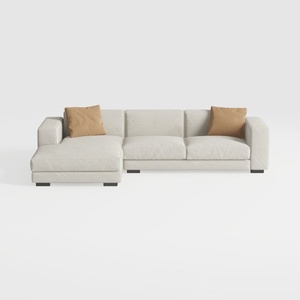
Minimalist Fabric L Shape Sectional Sofa with Throw Pillows 3D Model


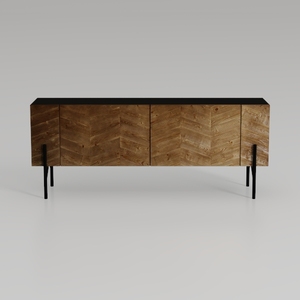
Modern Chevron Solid Wood Metal Sideboard 3D Model
Looking to revamp your home? Homestyler is your go-to online home design platform! With an easy-to-use design tool, stunning 3D renderings, and inspiring video tutorials, you can effortlessly create your dream space. Dive into creative design projects and make your vision a reality today!
Design Now for FREE
































