


Over the past decade, I have meticulously crafted and reimagined numerous banquet venues, and Anand Banquet and Function Hall stands out for several reasons: its versatile layout, reliable services, and a guest flow design that ensures comfort from the moment attendees arrive until the final toast. The importance of these elements cannot be overstated—nearly 95% of guests report that the venue experience significantly influences their overall perception of an event, hinging largely on comfort, sightlines, and ease of navigation. Research from Steelcase demonstrates that environments designed for comfortable movement and satisfaction can lead to a notable improvement in perceived quality of experience, a truth I witness in every successful reception I organize with tools like Homestyler.
The essentials extend beyond mere square footage; factors like lighting efficiency, sound control, and ergonomic considerations are imperative. According to WELL v2, the optimal ambient light levels should be set around 300–500 lux for general areas, with task lighting increasing to 500–1,000 lux for detailed functions. Research from Herman Miller indicates that adjustable seating and posture flexibility can minimize fatigue and extend guest stays, which is crucial during lengthy events. These standards guide my assessment of Anand’s main hall, pre-function foyer, and service areas, promoting a guest experience that feels cohesive from check-in through dessert.
In my planning process, I always delineate guest movement paths and vendor workflows separately, utilizing a layout planning tool to simulate seating arrangements, stage placements, and buffet lines without sacrificing comfort. Event planners seeking to experiment with dinner configurations or adapt layouts swiftly during an event will find that an interior layout simulation tool such as Homestyler can greatly reduce stress in the final days leading to the occasion.
Capacity, Zoning, and Flow
An ideal banquet hall strikes a balance between capacity and guest comfort. A common guideline I follow is to allocate 10–12 square feet per guest for round table seating and 8–10 square feet for theater-style arrangements, with adjustments based on stage depth and aisle widths. To ensure smooth traffic flow, maintain minimum aisle widths of 48–60 inches to allow easy passage for servers and guests. Should Anand feature modular partitions, I would establish three distinct zones: a pre-function area for mingling, the main event section for seating and staging, and a service area for catering operations. This zoned approach keeps back-of-house activity from disrupting guest interactions and photo opportunities.
Lighting That Flatters and Functions
Every outstanding event I design integrates a mix of ambient, accent, and decorative lighting. The aim should be to maintain 300–400 lux ambient light levels during meals, adjustable to 150–200 lux for speeches and dancing, while also ensuring 500+ lux is available on the stage for visibility. The color temperature should hover around 2700–3000K to create a welcoming atmosphere for evening gatherings, whereas 3500K can provide a fresh feel for daytime events. The Illuminating Engineering Society (IES) offers standards that help validate these lighting targets, and I routinely verify dimming settings to enhance video and photography quality, ensuring accurate skin tone reproduction without flicker. Wall washing behind the head table or backdrop can intensify visual appeal without blinding guests.
Acoustic Comfort and Speech Intelligibility
Excess reverberation can undercut the impact of toasts. For most banquet-sized venues, I aim for a reverberation time (RT60) between 0.7–1.0 seconds. If Anand’s hall features hard surfaces, I would introduce sound-absorbing elements, such as acoustic drapery behind the stage and fabric-covered panels, or incorporate ceiling baffles camouflaged within attractive aesthetics. It’s also wise to position the DJ or band away from entrance areas to minimize sound spill during check-ins. A distributed audio system operating at lower levels is preferable to a single loudspeaker; this setup allows guests to engage in conversation while keeping speeches clear and audible.
Color Psychology That Works for Events
When planning for weddings and other celebrations, I’ve found that warm neutral hues complemented by accent colors yield the best results. Soft shades like creams and taupes create a beautiful base that flatters various skin tones, while muted coral, sage, or navy accents photograph exceptionally well. Research on color psychology from Verywell Mind indicates that warm tones can enhance energy levels and social interaction, whereas greens are effective at alleviating visual fatigue—beneficial during lengthy receptions. I generally avoid expansive areas of vivid red near dining spaces, as they can become overwhelming and tire guests over time.
Stage, Dance Floor, and Sightlines
I recommend placing the stage opposite the main entrance to encourage guest movement toward it, effectively alleviating potential bottlenecks. Additionally, elevating the stage by 12–18 inches in spaces over 80 feet deep ensures that even those seated in the back have a clear view; maintaining a distance of 16–20 feet from the first table keeps the stage properly framed for photographers. For dance floors, allocating 4–5 square feet per participant works best, ideally centered between the stage and the majority of seating to create an energetic atmosphere. If Anand hosts varied programming—like a ceremony followed by dinner and dancing—it’s advisable to plan cabling and rigging along the side edges.
Seating Plans and Human Factors
I prefer round tables (60–72 inches) seating 8–10 guests, though I generally cap it at 8 to enhance comfort and ensure service efficiency. Rectangular tables create a sophisticated line but necessitate wider aisles to prevent collisions. VIPs, elder relatives, and speakers should be seated within a 30–40 foot range of the stage for ease of access. Positioning children near exits facilitates easy breaks. It's essential to keep routes for universal access direct and without steps; I also plan for at least 5% of the seating to accommodate accessibility needs, even if the guest count suggests fewer. Chair selection plays a vital role in comfort—if possible, opt for padded chairs with supportive backs instead of lightweight folding options for events lasting longer than two hours.
Catering Logistics and Service Lanes
To maximize efficiency, I find that buffet stations function best when arranged in mirrored pairs to streamline the queue. Carving stations or made-to-order options should be positioned at the ends of lines to avoid congestion. Additionally, a gap of 6–8 feet between the buffet area and the nearest chairs is advisable. If the kitchen door swings into the hall, I will create a clear 6-foot lane buffered by planter screens or hanging dividers to obscure views of back-of-house areas. For plated service, I recommend one server for every 16–20 guests, increasing to 1 per 12–16 for family-style service.
Photography, Media, and Power
For photographers, consistent lighting without flicker and predictable shadows is key. Uplighting should be strategically placed to avoid shining directly on faces and instead highlight columns, drapery, or backdrop washes. I prefer to provide dedicated 20A circuits on both stage sides for audiovisual needs. Cable troughs beneath carpet runners can help minimize trip hazards; if that's not feasible, low-profile ramps and gaffer tape paths should be used along wall lines. When it comes to displays, I find dual 86-inch monitors flanking the stage preferable to a central screen, as this improves sightlines and reduces the feeling of being pinned to a central point for presenters.
Material Choices and Sustainability
The wear and tear on banquet halls can be significant. Therefore, I recommend opting for commercial-grade, stain-resistant fabrics that can withstand 100,000+ double rubs along with low-VOC finishes and modular carpet tiles that facilitate quick replacements post-spills. If Anand is considering updates, pushing for LED lighting fixtures with a color temperature of 2700–3500K and a CRI of 90+ while ensuring dim-to-warm functionality would be ideal. Using reusable drapery, interchangeable floral structures, and locally sourced linens can reduce environmental impact and overall event costs. Implementing durable millwork on bar fronts and high-impact areas will save on repairs within the first year following installation.
Scheduling and Turnover Strategy
For consecutive bookings, I prioritize loading in high-impact components first: stage, risers, dance floor, followed by tables and decor. A 90-minute turnover can be achieved with a well-coordinated team. However, if the hall provides a single loading area, I advise staggering vendor arrivals in 20-minute intervals. After events, I designate specific trash and recycling streams at each exit to manage clutter effectively and swiftly.
Guest Experience Touchpoints
From valet services to farewells, attention to detail can greatly enhance the experience. Clear signage outside the venue helps to minimize drop-off confusion. Internally, a staffed welcome desk, a hydration station near the dance floor, and a serene corner for elders or nursing parents contribute to overall comfort. If scents are to be employed, they should be light, with fresh notes positioned near entry points and not at dining tables. Restrooms require bright, consistent lighting of 500–700 lux and continuous monitoring of supplies to ensure guest satisfaction.
Budget Priorities
In times of budget constraints, I prioritize three areas: sound systems (distributed speakers and properly tuned equalization), adjustable layered lighting, and seating comfort. These aspects directly influence guest memories of the event. Linens, floral arrangements, and decorative accents are simpler to adjust or replace seasonally without sacrificing overall functionality.
Authority Benchmarks and Research
I align my designs with industry benchmarks established by WELL v2, alongside research from Steelcase and Herman Miller, particularly in regards to lighting comfort and human-centric design. These serve as practical references against the risks of excessive room staging that might detract from understanding how guests navigate, dine, celebrate, and enjoy themselves. For broader standards, I frequently consult guidelines from the Illuminating Engineering Society, which provides trustworthy direction on lighting offerings and best practices.
Planning Toolkit
Before locking in seating arrangements and vendor movements, it is beneficial to visualize various layouts using design visualization tools. Testing designs digitally can help evaluate crowd flows, sightlines for the stage, and resource allocation for buffets, reducing last-minute adjustments and frantic changes.
FAQ
Aim for 10–12 square feet per guest with 60–72 inch round tables; for 200 attendees, approximately 2,000–2,400 square feet just for seating is necessary, in addition to provisions for aisles, stage, and dance floor.
Ceremonies and speeches should be buffered by 300–500 lux ambient lighting, accentuated by 500–1,000 lux on stage. For dining, a cozy setting can be achieved with 300–400 lux paired with warm 2700–3000K hues, allowing for gradual dimming transitions.
Strategically position soft surfaces: behind the stage, tablecloths, and portable sound barriers. Opt for distributed speaker setups at reduced volumes rather than relying on one loud noise source.
Allocate around 4–5 square feet per anticipated dancer; if 60–80 guests are expected to dance, aim for a floor space between 300–400 square feet to accommodate comfortably.
Not at all. While they provide elegance and improved sightlines on stage, they necessitate wider aisles and mindful server pathways. It's advisable to combine rectangular tables with rounds to maintain a manageable density and movement.
Utilize warm neutrals (like ivory or taupe) with subtle accent colors (such as sage or navy) that enhance skin tone appearances, minimizing color distortion under warm lighting effects.
To streamline setup, pre-rig lighting and sound, incorporate versatile decor, and schedule turnovers strategically: beginning with the stage and dance floor, followed by tables and floral arrangements. If limited loading space exists, stagger vendor arrivals at 20-minute intervals to ease congestion.
Protecting distributed audio quality, ensuring versatile dimmable lighting, and prioritizing comfortable seating will significantly impact guest satisfaction, often more than single decorative details.
Ensure accessible routes that are step-free, allocating at least 5% of seating for accessibility needs near main aisles and exits. Compliance with local regulations regarding restroom access and stage entry is crucial.
Utilize mirrored buffet stations, position active stations (like carving or sauté) at line ends, and maintain a spacing of 6–8 feet between buffet lines and nearest seating areas.
Maintain restrooms with at least 500–700 lux lighting for grooming tasks. Back-of-house corridors and preparation areas should also remain at or above 300 lux for safe and efficient operations.
No. While uplighting enriches ambiance, it cannot replace balanced ambient and task lighting. Use uplights to accent spaces while relying on overall lighting systems for the foundational layer.
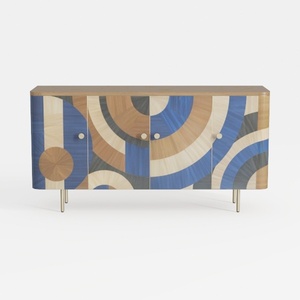
Art Deco Geometric Pattern Solid Wood Sideboard with Metal Legs 3D Model
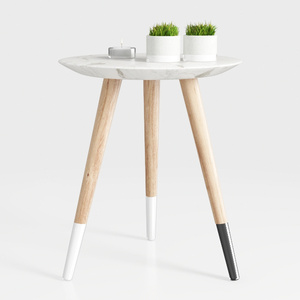
Modern Marble Top Solid Wood Legs Side End Table 3D Model
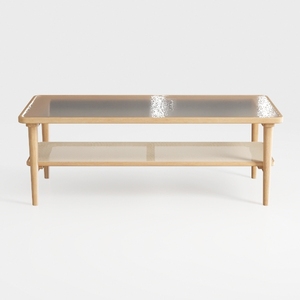
Minimalist Solid Wood Glass Top Coffee Table 3D Model
Discover your inner designer with Homestyler! This user-friendly online platform offers an innovative design tool, stunning 3D renderings, and a treasure trove of design projects and DIY video tutorials. Transform your space effortlessly and unleash your creativity today!
Design Now for FREE
































