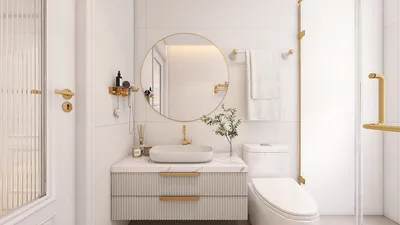


Once, I poured my heart into sanding an accent wall, resulting in a dust cloud that my client humorously dubbed a modern snowstorm—dust everywhere and a very anxious cat. This experience taught me the importance of combining physical effort with a strategic mindset, always visualizing the final outcome before starting any surface demolition. In compact areas, errors are amplified, yet careful preparation can lead to significant visual improvements.
1. Select the appropriate grit for the task
I typically begin with a coarse grit and finish with a finer one: 80 to 100 grit to eliminate bumps or outdated textures, followed by 120 to 150 for smoothing drywall, and then 180 to 220 for the final touches. This method is advantageous for speed and efficiency; however, the challenge lies in avoiding oversanding paint or covering up flaws. Cost-effective tip: investing in a few sheets of various grits is minimal compared to resurfacing expenses.
save pin
2. Hand blocks versus power sanders — choose what suits your space best
In confined spaces, using a rubber sanding block and a sanding sponge becomes indispensable — they offer precision, generate less dust, and prevent accidental sanding through corner beads. While power sanders are effective for large, flat walls, they can create messes and require more skill to avoid damage. I often combine methods: hand-detailing around trim after a quick pass with my orbital sander.
save pin
3. Wet sanding: when moisture can be beneficial
Employing wet sanding with a damp sponge or a very fine abrasive can significantly cut dust and yield a sleek finish on drywall and joint compound. Although this technique is gentler on delicate surfaces, it takes more time and is not ideal for peeling paint or extremely rough areas. If you are planning small-space layouts that consider drying times and ventilation, this approach simplifies scheduling while keeping the environment cleaner.
save pin
4. Dust management and protection — the tedious yet crucial aspect
Utilizing masking, drop cloths, and a shop vacuum equipped with a HEPA filter can transform a sanding project from a chaotic demolition into an organized task. The benefit is reduced cleanup and improved air quality; however, this does require an additional 15 minutes of preparation. I always inform clients that containment is essential in apartments or during renovations of open spaces.
save pin
5. Quick remedies and knowing when to call in a professional
Small dents and nail pops can be effectively treated with spot-sanding, filling, and a light skim coat. However, if walls show widespread texture discrepancies, concerns about old lead paint, or signs of moisture damage, it’s often wiser (and sometimes even mandatory) to consult professionals. I have helped clients save money by managing the preparatory work myself while identifying more significant issues early on.
save pin
FAQ
Q1: What sandpaper grit should I start with on painted walls?
I begin with 120–150 grit to dull the gloss and eliminate minor imperfections, then follow up with 180–220 grit for a smooth surface ready for painting.
Q2: Is sanding required between coats of primer and paint?
Yes, a light scuff with 220 grit between the primer and topcoat enhances adhesion and eliminates dust particles. It’s advisable to wipe with a tack cloth after sanding to prevent any residue from getting trapped.
Q3: Can I wet sand painted walls?
Wet sanding is a great method for smoothing latex paint and joint compound while minimizing dust; however, be cautious with oil-based paint as it may lead to streaking and compatibility issues.
Q4: Will sanding release lead dust, and what steps should I take?
If your property was painted prior to 1978, sanding can certainly lead to the release of lead dust. It's critical to adhere to lead-safe work practices as recommended by the U.S. Environmental Protection Agency (EPA): contain the work area, utilize HEPA-equipped vacuums, and consider hiring certified contractors for remediation (for more information, see the EPA website).
Q5: Are electric sanders safe for use in small rooms?
Yes, as long as they are used with caution. Orbital sanders help minimize the risk of gouging but tend to produce more dust, so it's wise to pair them with a vacuum. For detailed corners, I still prefer hand sanding to maintain control.
Q6: How can I reduce sanding dust in a rental or apartment?
Seal doors with painter’s tape and plastic sheets, create a simple zip wall if necessary, and run a shop vacuum or air purifier. Implementing small containment measures upfront can save on cleaning time and prevent complaints from neighbors.
Q7: When is it better to skim coat rather than sand?
If you notice extensive texture differences, grooves, or poorly repaired drywall seams, applying a skim coat can level the surface more effectively than aggressive sanding. While skim coating demands skill, it results in a smoother foundation for painting.
Q8: Is primer necessary after sanding?
Absolutely—using primer seals the dust-dulled surfaces, equalizes porosity, and enhances the adhesion of the topcoat. For repairs that are patchy, it is best to use a stain-blocking primer; for new drywall, utilizing a drywall primer or PVA is recommended for optimal results.
save pin
Discover the magic of home design with Homestyler! This user-friendly online platform offers a powerful design tool, stunning 3D renderings, and a wealth of DIY video tutorials to guide you. Whether you're a beginner or a seasoned designer, Homestyler makes it easy to bring your vision to life!
立即免费设计
































