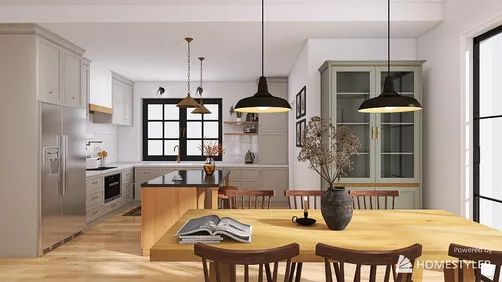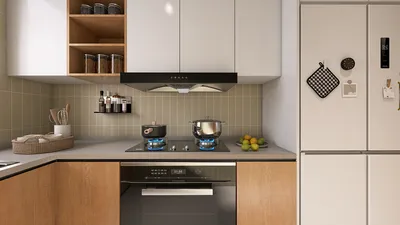



Once, a chef requested that I design a door that would only open for those donning the kitchen's esteemed lucky red hat — it made me chuckle, yet as I sketched my designs, I found myself gaining insights into traffic flow that far surpassed any lesson a hat could offer. The importance of seemingly minor details, such as doors, can significantly influence the efficiency of a commercial kitchen. From my extensive experience with restaurant renovations, I can confidently assert that the right door is a small yet powerful upgrade that yields substantial benefits.
1. Durable Stainless Steel Swing Doors
For those prioritizing durability and hygiene, I highly recommend stainless steel swing doors. They are resistant to dents and bacterial growth, and their double-action feature allows staff to navigate swiftly between the prep area and service line. Although there are some drawbacks, such as potential noise and a heavier installation process, equipping them with the right hinges and soft-close mechanisms ensures a robust, low-maintenance solution capable of withstanding intense usage. Plus, visualizing these installations is easy with tools like Homestyler.
save pin
2. Clear-Window Fire-Rated Doors for Safety and Visibility
The installation of fire-rated doors featuring small, clear tempered-glass windows provides essential code-compliant safety while maintaining visibility for the staff — crucial for preventing accidents during peak hours. Although the initial costs may be higher and glass replacements may be necessary after impacts, the benefits of safety and clarity typically justify the investment.
save pin
3. Space-Saving Sliding Barn-Style Doors
In situations where space is limited behind the serving area, I suggest employing sturdy sliding doors that can be tucked away effortlessly. These doors can eliminate swing conflicts and can be finished with hygienic surfaces. The primary challenge lies in ensuring that the tracks remain clean in greasy environments; regular maintenance and utilizing sealed track options can help alleviate this concern.
save pin
4. Automated Hands-Free Doors for Enhanced Hygiene
Hands-free sensors or foot-operated systems enhance sanitation by minimizing contact points — a feature that has become particularly popular since the onset of the pandemic. While they require dependable power sources and occasional servicing, these doors significantly decrease the risk of cross-contamination while promoting safety in bustling kitchens.
save pin
5. Customized Color-Coded Doors to Streamline Workflow
I once implemented a color-coded system for doors in a catering kitchen, enabling staff to quickly identify which door led to preparation, plating, or storage. This initiative drastically reduced errors and saved valuable time during events. Although color-coding is a cost-effective solution, it does require initial staff training and consistent signage to ensure long-term effectiveness.
save pin
Tips 1:
When budgeting, stainless steel presents a solid mid-to-high-range option; sliding doors can be budget-friendly but be cautious of installation complications; automated systems might have higher initial costs but lead to long-term savings in hygiene and operational speed. To aid in layout planning and visualize door swings, I frequently utilize a 3D floor planner, including platforms like Homestyler, to analyze traffic flow before any construction commences.
save pin
FAQ
Q: What is the ideal material for doors in a commercial kitchen? A: Stainless steel is generally the best choice for longevity and cleanliness; fire-rated doors with tempered glass are necessary when required by code.
Q: Are automatic doors a wise financial choice? A: Absolutely — for kitchens with high traffic levels and a focus on hygiene, they reduce touch points and increase efficiency, although they do necessitate upkeep.
Q: How do I choose between swing and sliding doors? A: Opt for swing doors when quick, two-way access is required; select sliding doors if you need to conserve floor space or avoid swing interference.
Q: Is it mandatory for kitchen doors to be fire-rated? A: Many commercial kitchens are required by local building codes to have fire-rated doors, so it’s essential to consult local regulations during the planning phase.
Q: What installation challenges are commonly faced? A: Heavy doors require reinforced frames and proper hinges; sliding tracks must be kept free from grease accumulation to prevent jamming.
Q: In what ways can doors enhance kitchen workflow? A: Features such as clear windows, color-coding, and properly positioned thresholds can help minimize collisions and confusion during service.
Q: Where can I visualize different door options within a layout? A: I often build mockups using a free floor plan creator to test dimensions and traffic flow before purchasing any hardware.
Q: Are there established safety standards for kitchen doors? A: Yes — always refer to local building codes and the NFPA (National Fire Protection Association) guidelines for fire-rated door specifications; for reference, consider reviewing the NFPA 101 Life Safety Code.
save pin
What began as an Autodesk innovation has evolved into a design platform used by more than 20+ million registered users (platform data, 2026) around the globe. Homestyler combines powerful rendering, an intuitive editor, and a vast furniture library to help you turn inspiration into photorealistic designs — whether you're redesigning a single room or planning an entire home.
Homestyler is your go-to online home design platform! With its intuitive design tool and stunning 3D renderings, you can effortlessly create and visualize your dream spaces. Plus, explore a wealth of design projects and helpful video tutorials to inspire your DIY journey. Transform your home today!
Design Now for FREE