


I consider dining room side tables to be essential pieces that quietly enhance the space: they anchor the environment, aid in serving activities, and introduce a sense of visual harmony without overshadowing the main dining table. In contemporary homes, the most effective options combine sleek designs with inviting materials and thoughtful ergonomic features, fostering a look that is effortless yet functional for everyday dining and social events.
Research supports the idea that well-considered side furniture can elevate dining experiences. A study by Steelcase reveals that organized and nearby storage minimizes movement hassle and streamlines tasks like serving and clearing in shared areas. Furthermore, the Illuminating Engineering Society (IES) recommends a lighting level of about 100–300 lux in dining spaces to ensure comfort and visibility; side tables create perfect spots for layered lighting that achieves these levels without causing glare. Color psychology also plays a significant role; as highlighted by Verywell Mind, warm tones can boost appetite and promote social interactions, making the material and accent selections on side tables more than mere decor.
From my experience, the most effective side tables turn into functional micro-stations: surfaces designated for decanters, drawers for napkins, shelves for carafes, and understated lamps that maintain balanced illumination. Ensuring these micro-stations are easily accessible encourages smooth movement around the main table, facilitating hosting engagements. To assess the best arrangements and circulation pathways, a layout simulation tool such as Homestyler can be invaluable in visualizing spacing, walking clearances, and lighting setups around your dining furniture.
Choosing the Appropriate Scale and Proportion
Scale is crucial when selecting a side table. Ideally, it should be slightly lower than the dining tabletop or at console height (28–32 inches for round side tables; 32–36 inches for console options) to facilitate comfortable serving without straining your wrists. Maintain a depth between 12–16 inches in compact areas to ensure unobstructed passages—aiming for a minimum 36-inch walkway around the perimeter. Visually, harmonize with the dining table’s design: round side tables soften sharp angles; rectangular consoles complement modern slab or Parsons dining tables, creating a neat appearance against walls.
Material Combinations for Contemporary Warmth
Modern does not equate to cold aesthetics. I prefer matte oak or ash paired with a powder-coated steel frame, or porcelain surfaces with gently rounded edges to soften light diffusion. Natural finishes with a soft sheen (20–30 gloss units) convey luxury without reflecting harshly. If introducing marble, opt for honed finishes; polished surfaces can create distracting glare from lamp hotspots. Adding upholstered sections (like bouclé or wool blends) to a storage console enriches the acoustic atmosphere and tactile experience, balancing the sound of clinking glassware during meals.
Integrated Storage Solutions: Drawers, Doors, and Open Shelving
Side tables become indispensable when designed to hold essentials: napkins, trivets, candles, coasters, and compact bar tools. A drawer for linens, a shallow shelf for smaller plates, and a solid base for larger serving ware help maintain a clean tabletop. In open floor plans, cabinets with soft-close features reduce visual clutter. If entertaining often, consider incorporating a locked section for special bottles. Use minimal hardware such as a 3–4 inch tab or routed pull to keep lines clean and minimize the risk of snagging.
Layered Lighting on Side Tables
Dining areas flourish with a mix of lighting: overhead ambient light paired with accent lamps on side tables. Strive to maintain an overall lighting level of 100–200 lux, then supplement with warm 2700–3000K table lamps to create an inviting glow without glaring at seated guests. Employ dimmers to transition from casual family dinners to festive celebrations. Fabric shades and opal glass diffuse light beautifully; perforated metal shades offer modern texture while regulating brightness. Position lamps so the shade edge sits below seated eye level to prevent direct visibility of the bulb.
Color and Finish Strategy
Color psychology suggests that warm neutrals and soft reds can subtly enhance appetite and stimulate conversation. On side tables, I prefer muted terracotta for lamp bases, aged brass accents, or walnut veneer to bring warmth against cooler grey furnishings. Keep vibrant hues limited to small accents—a few coasters, a decorative bowl, or a tray—so the overall color scheme remains serene. If the dining table is dark, select a side table in a lighter shade to prevent the perimeter from appearing overly weighted down.
Round vs. Rectangular Side Tables
Round side tables perform exceptionally beside banquettes or in corners where the flow of movement naturally curves, minimizing impact points while adding softness to the design. Conversely, rectangular consoles excel along longer walls—ideal for buffet displays and symmetrical lamp arrangements. In smaller rooms, a narrow rectangular table with slender legs preserves visual lightness and facilitates smooth movement.
Bar-Ready Side Tables
If you entertain regularly, consider transforming a side table into a discreet bar area. I recommend using a water-resistant surface (such as porcelain or treated wood), a raised tray edge to gather bottles, and a drawer for bar tools. A counter depth of 24–26 inches feels comfortable for mixing drinks without obstructing foot traffic. Incorporate rechargeable LED lights to minimize cable clutter and maintain flexible lighting.
Acoustic Comfort and Soft Layers
Modern dining environments benefit from a balanced acoustic atmosphere. Side tables can incorporate soft elements—like linen runners, felt trays, and cork coasters—that absorb noise and ease sharp reflections. In spaces featuring hard surfaces, consider a side table designed with fabric-wrapped doors or cane fronts to introduce textural softness.
Sustainability in Material Selections
Opt for FSC-certified woods, low-VOC finishes, and durable metals to ensure longevity. Powder-coated pieces with low-VOC materials and replaceable components enhance product lifespan. In practice, I avoid trendy veneers that may quickly go out of style; instead, I rely on timeless wood species and simple designs, allowing accessories to provide seasonal updates.
Placement and Circulation
Position side tables strategically to best serve the host: near the head of the table for easy access, or along a console wall for buffet-style service. Maintain a minimum clearance of 36 inches around chairs; increase it to 42–48 inches for households that frequently accommodate movement during meals. To test different configurations before finalizing, an interior layout planner such as Homestyler can help simulate chair movement arcs, serving routes, and lighting hotspots.
Smart Add-Ons: Trays, Risers, and Cable Management
Utilize trays to neatly organize smaller items and protect surfaces. Tiered risers can create height variation for buffets while enhancing visual rhythm. For lighting, conceal cords beneath tables using adhesive guides, then direct them down wall edges with paintable cord covers. Ensure outlets remain accessible yet discreet; a floor outlet underneath a console can eliminate visible wires and minimize tripping hazards.
Year-Round Styling Techniques
Arrange items in groups of three: a lamp, a plant, and a serving piece, while varying height by 3–6 inches. Change seasonal decor without altering the foundational color scheme. A single sculptural vase can provide added height without cluttering the table. Leave at least half of the table surface clear to maintain functionality.
Maintenance and Practical Considerations
To keep side tables in top shape, seal stone surfaces annually; use coasters on wooden surfaces; and clean metal with a microfiber cloth to avoid unsightly swirl marks. Store heat-resistant mats for hot dishes in the top drawer. If children are present, select tables with rounded corners and stable bases, avoiding fragile glass near edges.
For ideal lighting levels in dining areas, refer to IES guidelines on residential illumination. To understand how organization and layout impact dining behavior and comfort, consult Steelcase research that outlines the benefits of proximate storage and efficient design.
FAQ
Q1: What’s the optimal height for a side table adjacent to a modern dining table?
A: Aim for a height of 28–32 inches for round side tables or 32–36 inches for wall consoles. This height range ensures comfortable serving actions align well with standard dining table elevations.
Q2: How much light should a side table lamp emit?
A: Target a warm 2700–3000K bulb and contribute towards achieving an overall light level of 100–200 lux in the space. Dimmers can help adjust the ambiance and minimize glare by keeping the lamp shade below seated eye level.
Q3: What materials provide durability while maintaining a modern aesthetic?
A: Matte-finished hardwoods (like oak, ash, or walnut), powder-coated steel, as well as honed stone or porcelain, deliver both durability and a visually tranquil appearance. Opt for low-VOC finishes to enhance indoor air quality.
Q4: How can I avoid clutter on my side table?
A: Incorporate a drawer for linens, dedicate a shelf for plates, and use trays for grouping smaller items. Ensure you keep half the surface area available for serving and staging.
Q5: Which design—round or rectangular side tables—works better in compact spaces?
A: Round tables are advantageous as they gently reduce sharp impact points, making them more suitable for tight corners; narrow rectangular consoles perform well along walls while maintaining clear walkways.
Q6: Is it possible for a side table to function as a bar?
A: Absolutely. Use a water-resistant surface, a tray with raised edges, and a drawer for tools, and consider a rechargeable LED light to keep cables organized.
Q7: What clearance should I allow around dining chairs?
A: Ensure a clearance of at least 36 inches for effortless movement. Increase the spacing to 42–48 inches for frequent gatherings or larger seating.
Q8: How can I select colors that complement a modern dining room?
A: Opt for warm neutrals, adding small accents in terracotta or brass to inject warmth. Keep bold colors confined to accessories to maintain a tranquil palette.
Q9: Are there acoustic considerations when choosing side tables?
A: Yes, introducing soft elements like fabric-front doors, felt trays, and cork coasters can absorb sound, reducing clinks and echo in areas with hard surfaces.
Q10: What maintenance routine will keep side tables looking their best?
A: Seal stone surfaces annually, use coasters for wood, clean metal with microfiber cloths, and store heat-resistant mats for hot items in drawers.
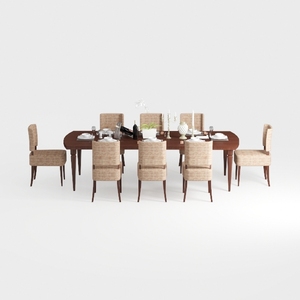
COLAMY Upholstered Parsons Dining Chairs Set of 4

Minimalist Solid Oak Dining Table With Cylindrical Legs 3D Model
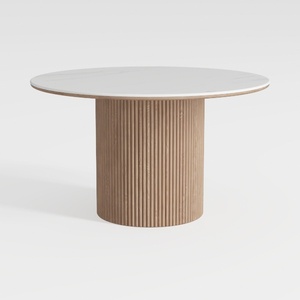
Minimalist Fluted Solid Wood Marble Top Round Dining Table 3D Model
Homestyler is an exceptional online home design platform that empowers you to unleash your creativity. With its user-friendly design tool, stunning 3D renderings, diverse design projects, and insightful video tutorials, it makes creating your dream space effortless and enjoyable. Perfect for all skill levels!
Design Now for FREE
































