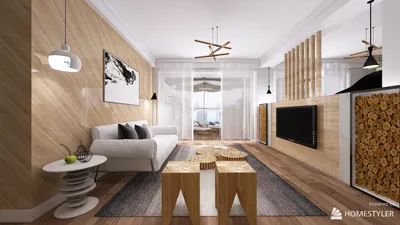


A unique experience I had with a client was their insistence that the dining room carpet should reflect the hues of the avocado toast they enjoyed every morning — a testament to how deeply emotional and practical rug choices can be. This highlights that small spaces can ignite significant inspirations. I typically begin with a quick visual assessment to ensure proportions are perfect prior to making any purchases.
1. Vibrant patterns to delineate dining areas
Utilizing a vibrant-patterned rug beneath the dining table not only grounds the seating but also infuses character into the space. Such designs are more effective at concealing stains than solid colors, immediately establishing a conscious design element; however, exceptionally busy patterns may clash with detailed tableware, so it's wise to keep other decor understated.
2. Natural fiber rugs for a comfy, casual feel
Rugs made from jute or sisal offer a rich texture and a laid-back atmosphere, making them ideal for everyday dining. They are affordable and wear well over time, though they may feel rough underfoot and might not be suitable for damp areas. Consider placing a washable pad underneath for added comfort and durability.
3. Washable, low-pile rugs are perfect for families
For those with children or who entertain regularly, a washable rug is invaluable, simplifying spill clean-ups significantly. While the aesthetic may sometimes lean towards a flatter appearance compared to plush options, contemporary washable rugs come in stunning hues and should be seen as a smart investment; I often recommend clients to visualize it in 3D using tools like Homestyler to avoid unexpected surprises.
4. Layering rugs for depth and floor protection
By layering a small, patterned rug atop a larger neutral base, you can achieve a bespoke, magazine-worthy look while safeguarding hardwood floors from chair damage. This technique is slightly more advanced—ensure the top rug is secure—and it's excellent for those who wish to explore options without committing to a singular large piece.
5. A runner for narrow dining tables to create a sense of space
In constricted areas, a long, narrow runner underneath the dining table can visually extend the space and facilitate movement. It may wear out quicker along the frequently passed path, so rotating it regularly or opting for a durable weave can help; if you need to coordinate kitchen and dining layouts, a quick outline using a design tool can aid in selecting the perfect runner length.
FAQ
How should I determine the right size of a rug for my dining table?
Ensure that all chairs stay on the rug when pulled out—typically, this means an extension of 24–30 inches beyond the table's edges. For round tables, apply the same guideline to maintain visual balance.
Which rug materials are best for dining rooms frequented by kids?
Synthetic low-pile or washable cotton blends are the easiest to maintain and resist stains more effectively than delicate wool materials; they are durable and suitable for family environments with high foot traffic.
Can a rug be too bold for a small dining area?
In fact, a bold rug can help a small space feel more intentional, but it should be accompanied by neutral walls and simple lighting to prevent a cluttered visual effect. I often suggest having one striking feature instead of multiple competing elements.
Should my rug match the color scheme of the dining room?
The rug should complement the existing color palette rather than match it exactly—use rugs to introduce contrasting elements or to unify the current tones. I personally prefer pulling a secondary color from the rug for cushions or artwork to create harmony.
Are natural fiber rugs suitable for use near the kitchen?
While natural fibers are visually appealing, they can absorb stains and are more challenging to clean; if the dining area is adjacent to the kitchen, I suggest treating them as decorative pieces and considering a washable layer underneath for convenience.
What maintenance is required for a dining room rug?
Regular vacuuming, prompt treatment of spills, and seasonal rotation help distribute wear evenly. For tougher stains or delicate fibers, professional cleaning once a year can keep the rug looking fresh.
Which shape of rug is best for a rectangular dining table?
A rectangular rug generally complements a rectangular table best, enhancing the length of the space. For smaller round tables, a round rug often creates a more cohesive look.
Where can I get guidance on carpet performance and standards?
For authoritative insights into carpet care and performance benchmarks, I refer to the Carpet and Rug Institute (CRI), which provides valuable guidelines and resources (https://carpet-rug.org/). Their recommendations serve as an essential resource.
Looking to transform your home? Try Homestyler! This user-friendly online design platform offers a powerful design tool, stunning 3D renderings, and a wealth of DIY video tutorials. Unleash your creativity and turn your interior design dreams into reality effortlessly!
Concevez maintenant gratuitement
































