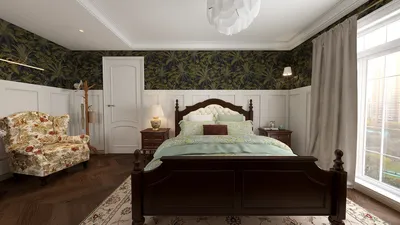


In one memorable experience, I tried to persuade a client that their taxidermy crow appeared less foreboding when paired with a floral pillow—true story! We both found humor in it, retained the crow, and suddenly the bedroom exuded a softer vibe. This little incident taught me that even minor decisions can dramatically alter the atmosphere, revealing how compact spaces can ignite grand ideas. For practical inspiration on room layouts, I frequently sketch several quick options, iterating until the ambiance feels just right—this method is particularly effective for enhancing cottage bedroom decor.
1. Layered Textiles for a Cozy Touch
I always initiate a cottage bedroom design with rich textiles—imagine linen duvets, knitted throws, and assorted cushions. These layers not only provide tactile warmth but also conceal flaws in aged plaster or uneven floors, making them ideal for cottages. However, bear in mind that more layers translate to more maintenance; thus, opt for fabrics you are prepared to care for diligently.
save pin
2. Blend Cottage Colors with Modern Elements
Classic cottage hues like soft sage, buttercream, and muted blues define the space, but I enjoy incorporating a matte black lamp or a slender-legged chair to prevent it from feeling overly themed. This approach infuses the room with personality while preserving its warm charm. The key challenge lies in striking the right balance—introducing too many modern elements can dilute the cottage’s essence, so test modern items incrementally.
save pin
3. Built-in Storage to Conceal Clutter
Cottages often pose unique spatial challenges—think alcoves, low eaves, and odd corners. I create built-ins that seamlessly fit under windows or along knee walls, ensuring that everything has a designated place, which in turn makes the room feel larger and more serene. If you’re interested in quickly conceptualizing these ideas, you can utilize mockups or digital tools to visualize how different storage solutions will integrate before making any purchases.
save pin
4. Revamp Vintage Items for Added Character
One of my proudest moments was repainting an old dresser for a client and replacing its hardware—this completely transformed the room’s narrative. Vintage finds contribute a unique charm that cannot be replicated with new items, though sourcing these treasures may require patience and sometimes a touch of sanding. A budget-friendly tip? Start your search at local flea markets; a little effort can yield excellent results.
save pin
5. Enhance Light with Sheer Layers and Mirrors
Light plays a crucial role—using sheer curtains, light-colored walls, and a strategically placed mirror can illuminate a compact cottage bedroom without needing substantial renovations. In a recent small-room project, I employed a tall leaner mirror alongside reflecting bedding to create an airy illusion of space; it felt akin to adding extra square footage. To swiftly test various bright bedroom designs, consider exploring virtual tools that allow you to experiment with layouts before investing in paint or furnishings.
save pin
FAQ
Q1: Which colors are best for decorating a cottage bedroom?
A: Soft, muted shades like sage, dusty blue, warm white, and pale yellow foster that cozy cottage ambiance; adding a darker accent or a metal fixture introduces contrast.
Q2: How can I create a sense of spaciousness in a tiny cottage bedroom?
A: Opt for light colors, multi-functional furniture, and vertical storage solutions to draw the eye upward; mirrors and sheer curtains assist in reflecting light and enlarging the room’s feel.
Q3: Can vintage furnishings work with modern cottage decor?
A: Absolutely—blending a few vintage pieces with modern elements keeps the space from appearing outdated while retaining unique character. Just ensure a balanced scale and finish throughout the room.
Q4: What budget should I set for refreshing a small cottage bedroom?
A: A refreshing makeover can be budget-friendly—painting, new textiles, and hardware changes can often be achieved for under several hundred dollars; however, custom built-ins or significant structural changes may require a larger budget, typically in the low thousands.
Q5: Which fabrics are ideal in cottages that might be prone to dampness?
A: Natural materials such as linen and cotton allow for breathability; when dealing with moisture-prone cottages, look for pre-washed linen blends and steer clear of heavy upholstery that might retain dampness.
Q6: Is it feasible to DIY a cottage bedroom makeover?
A: Certainly—tasks like painting, changing knobs, sewing simple curtains, and clever styling are all achievable as DIY projects. For any electrical or structural modifications, it’s wise to enlist a professional to ensure safety.
Q7: How crucial is lighting for sleep in cottage bedrooms?
A: Extremely important—maintaining a cool and dim environment promotes better sleep. According to the National Sleep Foundation, reduced light exposure in the evening aids in melatonin production and enhances restorative rest.
Q8: What’s the best way to plan furniture arrangements in an irregular cottage room?
A: Carefully measure everything and sketch multiple layouts; try positioning the bed to align with the room’s natural flow and use built-ins to address awkward spaces. If you prefer visualizing your design, many designers utilize mockups to refine circulation and sightlines before making furniture purchases, often turning to tools like Homestyler for this purpose.
save pin
Homestyler is your go-to online home design platform, perfect for bringing your ideas to life! With its user-friendly design tool, stunning 3D renderings, an array of design projects, and helpful DIY video tutorials, you'll effortlessly transform your space into a dream home.
立即免费设计
































