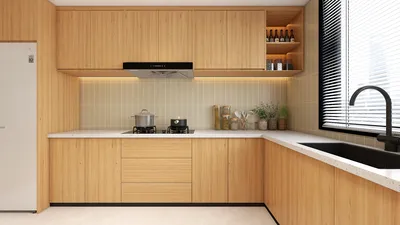


During a renovation of a compact apartment, I once proudly put in floor molding—only to discover it clashed with the tiles due to my oversight regarding undertones. That experience highlighted in small spaces, attention to detail is crucial, and the type of bathroom floor molding can significantly influence the room's ambiance. Today, I’m eager to share ten strategies I've adopted (sometimes through trial and error) to make small bathrooms appear polished and more spacious, leveraging tools like Homestyler to visualize designs before implementation.
1. Sleek White Baseboards
Classic and clean, white baseboards are my preferred choice when aiming to enhance the height of walls and uplift the brightness of bathrooms. However, they do require regular cleaning to maintain their fresh appearance, especially in areas close to the shower.
2. Tile-to-Wall Transition Strips
While designing a contemporary loft bathroom, I incorporated matching tile trims for a nearly seamless transition. This is ideal for those who appreciate minimalism, but be sure to carefully plan your bathroom layout to ensure perfect alignment.
3. Waterproof Vinyl Molding
Vinyl baseboards have proven invaluable for budget-friendly projects—they're moisture-resistant and easy to maintain. Though they may not exude the elegance of wood, they are a wise choice for rental properties and busy households.
4. Painted Wood with Sealant
I have a fondness for natural wood textures, but they require extra sealing in bathrooms. After I installed oak baseboards in a guest bath, they still look fantastic after three years, thanks to marine-grade sealant.
5. Contrasting Color Pop
Consider a striking cobalt blue molding against white tiles—it's a surefire way to add character. Colorful baseboards can transform a basic bath into a striking space, though selecting a bold shade requires some bravery.
6. Mosaic Border Molding
For a bathroom inspired by Mediterranean style, I utilized mosaic tiles as a baseboard. It introduced texture and cohesive design, especially when complemented with patterned flooring, which I conceptualized using Homestyler 3D models.
7. Curved Corner Finishes
If sharp corners aren’t to your liking, opt for rounded-edge moldings. They not only provide a softer aesthetic but also enhance safety in enclosed spaces where you might often brush against them.
8. Minimal Flush Baseboards
These moldings sit almost flat against the wall, yielding a sleek and contemporary appearance. Installation can be challenging, but the outcome is worth it—an elegant choice for upscale bathroom designs.
9. Metallic Accent Strips
Small yet impactful, brushed brass or stainless steel trims can make a significant difference in design. Last year, I incorporated brushed brass accents in a powder room, which seamlessly connected the fixtures for a unified look.
10. Integrated LED Strip Molding
In a recent innovative project, I added LED strips along the floor molding—not for practical lighting, but to create ambiance. It's essential to ensure the fixtures are IP-rated for wet areas and to plan the wiring meticulously using Homestyler's design tools before moving forward.
FAQ
Q: What is the best material for bathroom floor molding?
A: For low maintenance, waterproof vinyl is excellent. For aesthetics and longevity, painted and properly sealed hardwood performs well.
Q: Can floor molding be omitted in bathrooms?
A: In theory, yes, but moldings serve to protect the edges of walls from water damage and enhance the overall appearance—thus, I advise retaining them.
Q: How do I select the height of molding?
A: Taller moldings can make ceilings appear higher, but in small bathrooms, a height of 3 to 4 inches strikes a good balance for proportion.
Homestyler is your go-to online platform for effortless home design. With its user-friendly design tool, stunning 3D renderings, and a wealth of inspiring projects and DIY video tutorials, you can easily transform your home ideas into reality, regardless of your experience level!
지금 무료로 디자인하세요
































