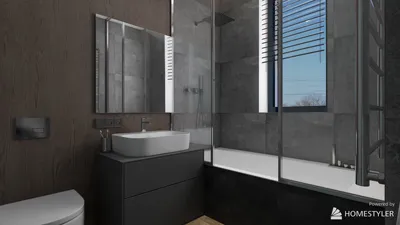


I once painted a bathroom ceiling with an elegant flat latex paint because the color appeared dreamy in natural light — until the steam from a shower transformed it into a splotchy disaster. This beginner mistake taught me that small, humid spaces require the appropriate paint specifically designed for such conditions, beyond just aesthetic appeal. Small bathrooms can inspire significant design decisions, and selecting the correct ceiling paint is among them. In this article, I’ll outline five practical painting ideas that I've implemented in various projects, taking into account moisture resistance, finish, and ease of upkeep, as well as showcasing how tools like Homestyler can assist in planning.
1. Satin or Eggshell Latex Paint
I typically endorse high-quality satin or eggshell water-based latex for bathroom ceilings due to their effective combination of moisture resistance and soft appearance. Satin paint resists mildew and cleans more effectively than flat options, which is crucial for smaller bathrooms where condensation tends to build up, particularly in spaces without windows. A downside is that satin surfaces reflect more light, which may highlight imperfections, but a smooth skim coat can mitigate this issue.
save pin
2. Mold- and Mildew-Resistant Bathroom Paint
For bathrooms lacking sufficient ventilation, I prefer paints that are formulated with antimicrobial additives. These specialized paints are designed to prevent the growth of mold and mildew on the paint film, which means less frequent touch-ups are necessary. While these paints may come at a higher price, they act as a safeguard, complementing my recommendations for improving ventilation.
save pin
3. Semi-Gloss Trim Paint (for small areas)
If your ceiling features crown molding or has a slightly sloped section near the shower, employing semi-gloss trim paint on these areas will create a durable, easy-to-clean surface. While semi-gloss is resilient against splashes and is simple to maintain, applying it across the entire ceiling can result in excessive shine in smaller bathrooms. In a compact ensuite I designed, this approach made upkeep straightforward without overwhelming the space.
save pin
4. Specialty Bathroom Primer + Any Topcoat
Occasionally, the best strategy is to use a quality, stain-blocking, moisture-resistant primer followed by your preferred latex topcoat. Primers are excellent for sealing stains caused by water damage and improving adhesion in areas that need repair. Though this method involves an extra step and cost, it can significantly enhance the longevity of the finish; I’ve found that when ceiling stains were present, applying a primer was pivotal in extending the lifespan of the paint job.
save pin
5. Breathable Paint for Historic Bathrooms
In older homes where plaster ceilings are common, I often choose breathable, lime- or mineral-based paints that allow moisture to escape, preventing it from getting trapped in the substrate. This approach helps avoid peeling on antique plaster, although it often comes with a higher price tag and a limited selection of colors. During a renovation of a listed townhouse, I found that preserving the original ceiling's integrity was worth the investment.
save pin
Tips 1:
Practical tips: always address leaks before painting, enhance ventilation, use semi-gloss paint only where washability is desired, and perform a small patch test to see how the sheen appears under your bathroom lighting. For a quick layout mockup to visualize how various ceiling colors might affect perceived height, you can utilize tools like Homestyler to explore different options before purchasing paints.
save pin
FAQ
Q: What is the best finish for a bathroom ceiling? A: Satin is my primary recommendation due to its balance of moisture resistance and appearance; semi-gloss is suitable for high splash zones but can be overly reflective for entire ceilings.
Q: Can I use regular interior paint in a bathroom? A: Yes, you can, but it’s advisable to opt for moisture-resistant latex and ensure adequate ventilation; using standard flat paint can lead to quicker staining and mildew.
Q: How critical is ventilation when selecting paint? A: Extremely crucial — even mildew-resistant paints cannot replace poor ventilation, so it’s essential to install exhaust fans or enhance airflow.
Q: Should I prime a water-stained ceiling? A: Absolutely; utilizing a stain-blocking primer is key to sealing tannins and water marks before applying your topcoat for lasting results.
Q: Is oil-based paint better for bathrooms? A: Oil-based paints were traditionally favored, but contemporary water-based latex paints provide comparable durability with simpler cleanup and less odor.
Q: How frequently should bathroom ceilings be repainted? A: With proper preparation and ventilation, you can expect 5 to 7 years between repaints; higher moisture bathrooms might require touch-ups sooner.
Q: Are eco-friendly bathroom paint options available? A: Yes, there are options such as low-VOC or zero-VOC mildew-resistant latex paints; these are often certified by organizations like Green Seal to ensure indoor air quality.
Q: Where can I visualize ceiling paint selections before making a purchase? A: Use a free floor plan and 3D visualization tool like Homestyler to preview colors and finishes in the context of your bathroom scale — this aids in preventing costly mistakes and over-purchasing. For detailed guidance on mildew-resistant products, refer to EPA recommendations regarding mold prevention: https://www.epa.gov/mold.
save pin
Discover your dream space with Homestyler! This user-friendly online design platform offers powerful 3D rendering, a vast collection of design projects, and inspiring DIY video tutorials. Whether you're a novice or experienced designer, bring your home ideas to life effortlessly!
Design jetzt kostenlos
































