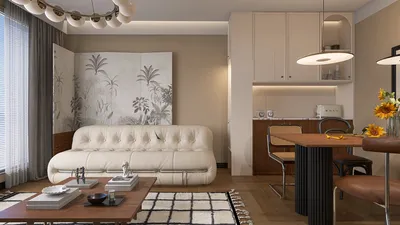


I've created countless TV tray tables for clients seeking compact, versatile surfaces for work and dining in limited spaces. An ideal tray table should easily slide into position, maintain the appropriate height, and be unobtrusive when not in use. When designed properly, it not only enhances posture but also minimizes clutter while seamlessly blending into your environment. Research from Steelcase indicates that work surfaces set between 26–30 inches high are optimal for seated tasks, helping reduce strain on the shoulders and neck, especially considering user height. This range is perfect for a multifunctional tray. The WELL v2 guidelines also support work surfaces that promote neutral wrist angles and provide sufficient knee clearance, which will be taken into account for the dimensions discussed further.
Function is key when establishing dimensions. I typically aim for a top size of approximately 18–20 inches wide and 14–16 inches deep—spacious enough for a 15-inch laptop or a dinner plate and glass, yet compact enough to navigate through furniture. According to Steelcase, allowing for at least 18 inches of uninterrupted leg clearance enhances comfort during seating for most individuals. I design folding legs that can easily slide over ottomans or alongside sofa arms. In terms of lighting, the Illuminating Engineering Society recommends a range of 300–500 lux for task surfaces; if you plan to use the tray for reading or laptop work, consider its placement within this light range or adding a clip-on task lamp for convenience.
Materials and Tools
Opt for stable, dimensionally stable materials; the objective is to create a lightweight yet sturdy assembly. My preferred material combinations include:
Tools required: circular saw or table saw, miter saw, drill/driver, clamps, flush-trim or roundover router bit, random-orbit sander, square, tape measure, and wood glue.
Dimensions That Work
For an adaptable TV tray table, commence with these ergonomic standards and tailor them to your body height and the height of your sofa seat:
If you intend to slide the base beneath a sofa, measure the sofa’s clearance, which is typically 2–3 inches. A C-shaped base may be more suitable than an X-leg if the sofa features a low skirt.
Cut List
Planning the Layout and Stability
Before making cuts, I outline the footprint with painter's tape on the floor to verify walking paths and clearance around the sofa. If you're evaluating the fit in a small living room, using a digital layout simulation tool, like Homestyler, can help confirm reach, legroom, and traffic flow.
Step-by-Step Build
Cut the top to 19 x 15 inches. If using plywood, apply hardwood strips measuring 3/4 x 1/8 inches along the edges for a clean and durable finish. Secure with glue, clamps, and then flush-trim with a router. Be sure to round all edges with a 1/8-inch roundover to prevent wrist strain.
Dry-fit the aprons beneath the top, ensuring they are set in 1/2 inch from the perimeter to reduce visual bulk. Pre-drill pocket holes or apply glue blocks at the corners. The apron provides rigidity to the top and a solid base for the legs. Maintain a minimum of 18 inches of clear width between long aprons for optimal comfort.
You have two solid options:
Regardless of which option you choose, ensure that the feet are slightly splayed (2–3 degrees) or incorporate a low stretcher to enhance torsion resistance.
Symmetrically mark the positions for the hardware and pre-drill to prevent splitting. Utilize lock washers or thread-locker on bolts to ensure the tray remains stable during folding.
Sand down to a grit of 180–220. I prefer using waterborne polyurethane: apply two to three thin coats with light sanding in between. It dries quickly, resists heat and moisture, and maintains the natural wood tone. Alternatively, hardwax oil adds warmth and requires annual re-oiling to preserve its appearance.
For carrying dishes, consider applying a micro-texture finish or adding silicone bumpers beneath the top. Low-profile rubber feet are beneficial for floor protection and minimizing noise. A thin cork inlay also enhances grip for laptops and promotes quiet typing.
Ergonomics, Lighting, and Use Scenarios
Comfort is linked to height and reach. I set the front edge to be 1–2 inches above the user's lap, ensuring shoulders remain relaxed and wrists stay straight. Following WELL v2 guidelines, wrist-neutral typing and adequate knee clearance help alleviate musculoskeletal strain during seated tasks. For nighttime activities such as reading, aim for a surface light level of 300–500 lux as recommended by lighting experts; selecting a 2700–3000K lamp gives off a warm light that encourages relaxation. Additionally, warm wood tones have been shown to reduce visual stress, while a matte finish on the top minimizes glare and distractions.
Joinery Upgrades for Longevity
Compact Storage Strategy
Design the folded thickness to be less than 3 inches for easy storage behind a cabinet or sofa. A magnetic catch can secure the legs in place while stored. For families with children, a simple detent pin through the leg bracket provides a child-safe locking mechanism.
Finishes, Color, and Style
For a modern look: birch plywood with satin waterborne poly and matte black hardware. For a mid-century style: oiled walnut with brass hardware and tapered legs. A Scandinavian design can feature light ash with natural oil and white powder-coated metal legs. According to Verywell Mind, pairing neutrals with warm wood tones fosters a sense of calm; a soft matte finish also reduces glare, enhancing visual comfort.
Load, Balance, and Safety
Keep the center of gravity within the footprint. A 19 x 15 inch tabletop with a C-base is stable enough to support 15–20 pounds when the load is evenly distributed; for an X-leg design, it is best to keep weights closer to the center third. For those anticipating frequent laptop use, consider adding a hidden 1/2 inch plywood stiffener beneath the center span to prevent sagging.
Maintenance
Promptly wipe up spills. Revitalize oil finishes annually or whenever water ceases to bead on the surface. Periodically check and retighten hardware connections, as folding mechanisms may loosen over time. Replace worn feet to safeguard floors and maintain grip.
Simple Variations
FAQ
Set the top height between 27–29 inches for most adults, approximately 1–2 inches below seated elbow height. This positioning preserves neutral wrist alignment and relaxed shoulders.
The C-shaped sled design provides better lateral stability and can be tucked under furniture. On the other hand, X-legs fold flatter and require more precise placement for cross-bolts and tight hardware.
With a 3/4 inch top, sturdy hardwood aprons, and a C-base, supporting 15–20 pounds is reasonable. If greater weight capacity is required, reinforce aprons and include a center stiffener.
Waterborne polyurethane in a satin finish delivers impressive protection against moisture and heat. For those preferring a natural touch, hardwax oil is a great alternative but necessitates periodic renewal.
Implement locking hardware (like nylon insert nuts or thread-locker), reinforce apron corners, and incorporate a low stretcher. Be sure to routinely retighten connections.
Absolutely—consider using Baltic birch for the tabletop and one-inch aluminum tube legs with appropriate gussets. Ensure that the top remains under 3/4 inches and route a shallow recess on the underside to reduce weight while maintaining edge stiffness.
A surface size of about 19 x 15 inches provides adequate space for a 15-inch laptop accompanied by a coaster, ensuring a safe distance from the edge.
Aim for 300–500 lux on the surface with a desk lamp or clip-on light. Choosing a lamp within the 2700–3000K range optimally reduces glare and enhances relaxation for TV viewing.
Add rubber or felt glides to the feet. In the case of a sled base, continuous felt strips underneath help distribute weight and prevent scratches.
Indeed—purchase a pre-cut 3/4 inch project panel and select off-the-shelf folding leg brackets. You’ll only require a drill/driver, sander, and finish to complete it.
Measure seated elbow height and construct the tray top 1–2 inches below this measurement. For deep sofas, contemplate using a C-base with a longer foot to reach over cushions.
Incorporate a hinged back edge supported by a stay and a low front lip to hold books securely. Maintain a tilt angle limited to 10–15 degrees to ensure items stay in place.
Homestyler is your go-to online platform for effortless home design! With an easy-to-use design tool, stunning 3D renderings, and a wealth of inspiring design projects and DIY video tutorials, you can transform your space into a dream home with just a few clicks!
지금 무료로 디자인하세요
































