


Direct Answer
Ensuring bunk bed safety in limited bedroom spaces relies on three essential factors: adequate ceiling height, secure guardrails, and thoughtful positioning away from walls, windows, and light fixtures. Most injuries don’t stem from the bunk bed design itself but from tight spaces that limit climbing room and elevate fall hazards.
With proper measurements, sturdy ladders, and guardrails that align with safety standards, bunk beds can be a safe choice even in smaller rooms.
Quick Takeaways
Introduction
Throughout numerous small-bedroom projects I've managed in recent years, bunk beds consistently emerge as the go-to solution for families. They save valuable floor space, facilitate bedroom sharing, and often become a favorite spot for children.
However, homeowners frequently overlook safety concerns related to bunk beds in confined spaces. The danger rarely lies in the bed itself, but rather in how cramped the environment becomes. Low ceilings, dense furniture arrangements, and limited climbing areas can transform a well-crafted bunk bed into a safety risk.
In many redesigns, I’ve observed parents surprised to find ladders placed right beneath ceiling fans or top bunks less than two feet from the ceiling—situations that significantly increase the chances of falls.
When arranging compact bedrooms, visualizing the bed's interaction with the room layout is invaluable. I recommend using a user-friendly 3D room planner like Homestyler to simulate bunk bed placement before physically moving any furniture. This helps reveal clearance issues and prevent common mistakes.
Below, I outline the safety guidelines I apply when incorporating bunk beds into small bedrooms.
Understanding Safety Standards for Bunk Beds
Key Insight: Most bunk bed injuries occur when safety standards—such as proper guardrail height and secure ladders—are not met.
In the U.S., bunk beds are subject to regulations set by the Consumer Product Safety Commission (CPSC). These rules exist because many injuries happen when children fall from the upper bunk or slip during ascent or descent.
Drawing from my experience analyzing manufacturer specs, three factors stand out as critical for safety compliance.
Thousands of emergency visits annually involve bunk bed incidents, most linked to missing guardrails or improper assembly according to CPSC data.
A common but often overlooked issue is swapping the original mattress for a thicker one, which lowers guardrail effectiveness and heightens fall risk.
Top Bunk Fall Risks in Small Bedrooms
Key Insight: In narrow rooms, neighboring furniture and walls can become additional hazards during falls.
In spacious rooms, falling usually means landing on open floor, but small bedrooms change this dynamic.
I’ve entered rooms where the upper bunk was dangerously close to dresser edges or adjacent to windows—conditions that greatly increase injury potential.
Typical risks include:
Maintaining at least 30 inches of clear space beside the ladder is crucial for safe landing zones.
Strategic arrangement of furnishings around a bunk bed significantly reduces risk. Visualizing furniture placement with tools such as Homestyler can demonstrate how small spacing tweaks improve safety.
Safe Distance Between Bunk Beds and Ceilings
Key Insight: Ceiling height clearance is frequently the most neglected aspect of bunk bed safety in compact rooms.
A child seated upright on the top bunk should never be at risk of hitting their head on the ceiling.
My general rule applied across projects is:
Low ceilings pose hidden hazards—as kids often sit up, climb, and play on bunk beds rather than simply lying down.
In inadequate clearance situations, children tend to crouch or twist while climbing down, which contributes to ladder-related falls.
In a number of redesigns, switching to thinner mattresses solved clearance issues without needing to replace the bunk frame.
Guardrails, Ladders, and Structural Stability
Key Insight: Properly constructed guardrails and ladders prevent most injuries associated with bunk beds.
Economy bunk models often neglect these critical safety elements, leading to elevated accident rates.
Important guardrail considerations include:
Ladder design is equally crucial.
Angled ladders promote more natural climbing motion and reduce slipping risk compared to vertical ladders.
In very constrained layouts, stair-style bunk beds offer enhanced safety by making climbing easier, despite using slightly more floor space.
Safe Age Recommendations for Top Bunks
Key Insight: Age limits exist because younger children lack the balance and judgment required to safely use elevated beds.
Pediatric guidance, including the American Academy of Pediatrics, advises that children under six should avoid sleeping on the top bunk.
This recommendation hinges on two main factors:
In many family room designs I handle, older children occupy the top bunk, while younger siblings use the bottom.
Guardrails might give the impression of adequate protection for toddlers, but the climbing challenge remains significant.
Answer Box
For maximum safety in tight bedrooms, ensure sufficient ceiling clearance, robust guardrails, and unobstructed ladder space. Most bunk bed injuries occur when furniture crowds the ladder or when low ceiling height restricts safe movement on the upper bunk.
Checklist for Safe Bunk Bed Placement in Small Rooms
Key Insight: Employing a straightforward layout checklist can prevent most safety issues before they arise.
When positioning bunk beds in compact rooms, I rely on this checklist during design evaluations.
Safe bunk bed placement checklist includes:
Modeling the room layout before installation—such as through Homestyler—helps identify potential safety hazards by visually measuring clearance and spacing.
Final Summary
FAQ
Is a bunk bed safe in a small bedroom?
Yes, when installed following safety guidelines. Proper guardrails, adequate ceiling clearance, and clear ladder zones ensure safety even in limited spaces.
What ceiling height is safe for bunk beds?
A minimum of 33 to 36 inches between the top mattress and ceiling is recommended to permit comfortable sitting and safe climbing.
What age is safe for the top bunk?
Children aged six and older are generally considered safe to use the top bunk according to safety standards.
How high should bunk bed guardrails be?
Guardrails should extend at least five inches above the mattress to prevent rolling off during sleep.
Where should a bunk bed be placed in a small room?
Avoid positioning bunk beds near windows, beneath ceiling fans, or adjacent to tall furniture pieces.
How do I prevent bunk bed accidents in small bedrooms?
Maintain strong guardrails, sufficient ceiling clearance, clear ladder access, and secure bed frames to walls when possible.
Can bunk beds be placed against a wall?
Yes, placing one side against a wall can reduce fall risk but guardrails remain essential.
What mattress thickness is safest for bunk beds?
Low-profile mattresses are safest as they preserve adequate guardrail height.

EnHomee Queen Bed Frame with 2-Tier Storage
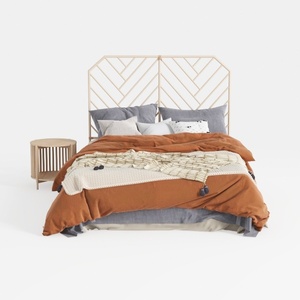
Modern Solid Wood Geometric Headboard King Bed with Linen Bedding 3D Model

Modern Leather Upholstered King Size Bed With Metal Frame 3D Model
Homestyler offers an easy-to-use online home design tool with stunning 3D renderings, inspiring design projects, and helpful DIY video tutorials. It’s perfect for anyone looking to creatively visualize and personalize their living space with confidence.
Desain sekarang Gratis
































