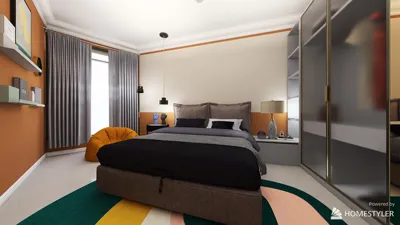


I am drawn to vintage living room lamps due to their unique patina, elegant proportions, and the subtle way they enhance a space. A well-designed lamp offers more than just illumination; it sets a desired mood, encourages conversation, and complements both materials and skin tones. In my projects, I often incorporate vintage table lamps alongside a focused floor lamp to transform flat rooms into inviting, multi-dimensional areas.
The aesthetic and functional quality of light is paramount. The WELL v2 Light concept suggests providing appropriate illuminance while managing glare, which is crucial for comfort and circadian rhythms. For typical living activities, the recommended light levels are approximately 150-300 lux for ambient areas and 300-500 lux for reading zones (WELL v2 L03–L08). I also refer to IES guidelines, which indicate that residential reading should be about 300-500 lux, while ambient conversation areas benefit from softer lighting of 100-200 lux (IES RP references). These targets assist me in fine-tuning vintage fixtures to align with modern lighting expectations without losing their inherent character. Using warm 2700-3000K bulbs tends to work beautifully with aged brass and walnut, as well as linen shades.
Exploring Vintage Lamp Styles
Vintage lighting encompasses a broad range of styles, from mid-century teak and brass to Art Deco glass structures, 1940s pharmacy floor lamps, pastoral ceramic designs, and banker’s lamps with emerald shades. Each of these styles provides a unique beam pattern and visual weight. For instance, mid-century cone lamps target light downwards, which is perfect for reading. In contrast, Deco torchières reflect light to the ceiling, creating an ambient glow. When curating selections, I like to balance a bold sculptural piece with a more understated option to avoid an overly themed feel.
Light Quality: Color, Beam, and Glare Control
Many vintage lamps were designed for incandescent bulbs, which emit warm, continuous-spectrum light that beautifully showcases natural materials. To replicate this warm glow with LED alternatives, I opt for 2700K-3000K lamps featuring a CRI of 90 or above to accurately represent reds and skin tones. For clients' reading chairs, I prefer a tighter beam angle of 20-40 degrees to minimize light spill and enhance contrast on reading materials. In living areas, diffused shades or frosted glass can reduce high luminance spots and distracting reflections. Managing glare is vital for maintaining the charm of classic lamps; I often use translucent shades, lower bulbs, or dim-to-warm LEDs.
Creating Layers of Light with Vintage Fixtures
Layering lighting is more important than relying on any individual lamp. My standard setup includes an ambient layer from either a torchière or a diffused table lamp (100-200 lux), a task layer for reading areas (300-500 lux), and an accent layer that highlights artwork or textured surfaces. This strategic arrangement clarifies how to utilize space: indicating areas for conversation, reading, or relaxation. If you’re planning furniture placement, utilizing an interior layout planner like Homestyler can facilitate visualizing light spreads within seating zones before making any permanent adjustments.
Scale, Proportion, and Sightlines
Scale and proportion are crucial for the success of lighting in any room. A good rule of thumb suggests that table lamps look proportionate when their total height (base plus shade) is about 1.5 to 2 times the height of the surface they’re placed on, with the bottom of the shade aligning near seated eye level (approximately 42-48 inches from the floor). For deeper sofas with low backs, taller floor lamps with cantilevered arms are ideal to direct light forward. Shades should cover about 60-70% of the base height and should always be wider than the widest part of the lamp base to ensure stability. It’s essential to evaluate from various seating positions; a beautifully designed lamp that inadvertently casts shadows on a TV or blinds neighbors is ineffective.
Material Authenticity and Finish Combinations
Vintage metals have their own stories—aged brass softens to a warm honey hue; nickel appears crisp; blackened steel grounds lighter decor styles. I often combine warm brass with textured linens, oiled walnut, and terracotta fibers. Chrome and nickel complement boucle fabrics and cool greys. Translucent globes help to lighten heavier room aesthetics, while parchment or linen shades diffuse light softy for a pleasant atmosphere. When dealing with patina, it’s important to keep imperfections that add depth while cleaning elements that may compromise structural integrity.
Color Psychology and Evening Warmth
The perception of a space changes significantly with warm light. Warmer color temperatures (around 2700K) promote relaxation while cooler options can be invigorating. In living rooms, I prefer to keep the evening palette warm to create a calming environment and reduce stark contrasts. Balanced with high-CRI LEDs, reds in textiles and wood tones appear rich and appealing, avoiding an over-saturated appearance. Gradually dimming the lights to 10-20% output in the evenings signals a winding down period without rendering the room too dim.
Ergonomics for Reading and Conversation Areas
Considering human factors is essential; reading light should illuminate over the reader’s shoulder rather than into the eyes of someone sitting opposite. I typically position table lamps between 15-24 inches from the reader’s shoulder, ensuring the bulb is shielded by the lamp shade. For floor lamps equipped with adjustable arms, they work wonderfully in corner seating where space for side tables is limited. To enhance conversation areas, evenly distributed ambient light helps to prevent deep shadows, reducing eye strain and making the space more inviting.
Acoustic Comfort and Optimal Lamp Placement
The placement of lamps can also improve acoustics. By incorporating dense shades, textile cords, and soft decor around lamp clusters, I can enhance micro-absorption, which minimizes echo in rooms with hard surfaces. It’s best to avoid positioning reflective glass lamps directly opposite large windows; these can create distracting reflections during the day and may appear overly bright at night.
Safety, Wiring, and Modern Adaptation
Vintage lighting often has brittle wiring. I ensure rewiring is conducted with UL-listed sockets and cloth-over-rubber cords for authenticity, along with polarized plugs. Additionally, inline dimmers suitable for the lamp's load can extend its lifespan while allowing for atmospheric adjustments. Using LED retrofit bulbs helps to keep the shades cooler, preventing damage from heat. Weights should be added to the base if pets or children are present, as ceramic and slim brass bases may easily tip when cords are pulled.
Effective Lighting Strategies for Different Room Sizes
In smaller rooms, one upright ambient source, such as a compact torchière, combined with a single reading lamp can help avoid visual clutter. For larger spaces, I recommend creating multiple lighting pools, generally three: for conversation, media, and reading. Utilizing a layout simulation tool like Homestyler allows for testing various setups and adjusting locations to minimize glare from screens before finalizing decisions. Keeping cords aligned with furniture and concealing them with rugs or low-profile covers can enhance the overall aesthetic.
Sustainability Through Vintage Choices
Opting for vintage is an excellent way to contribute to sustainability. To take it further, choose enduring metals and ceramics, lean towards repairs instead of replacements, and utilize long-lasting LED bulbs. Linen, parchment, and recycled fiber shades not only age gracefully but can also be refurbished by local artisans. When sourcing vintage pieces, prioritize structural integrity over cosmetic perfection, ensuring stable bases and secure fittings.
Where Research Meets Atmospheric Design
Designing a space with a sensory approach becomes even more enriching when backed by research. I rely on the WELL guidelines, focusing on glare control and appropriate illuminance levels as baselines, before composing the atmosphere using shade transparency, patina, and color temperatures. Whether for workplace lounges or intimate residential areas, the best lighting blends seamlessly into the environment: enhancing faces, illuminating materials, and inviting guests to linger. To learn more about lighting behavior and human comfort principles, refer to WELL’s insights on light and visual comfort at wellcertified.com.
FAQ
2700-3000K offers a warm, incandescent-like glow that beautifully highlights natural materials like wood and textiles. Combining these with 90+ CRI LEDs ensures accurate representation of reds and skin tones.
Aim for 300-500 lux directed on the reading page. Place the lamp so that light falls over your shoulder, with the bulb shielded to minimize glare.
Yes, often there are concerns present. Brittle insulation and unpolarized plugs are common in older pieces. It’s advised to rewire using UL-listed components and to consider inline dimmers that support LED bulbs.
Linen and parchment shades provide soft light diffusion and glare control. Opaline glass offers a bright orb effect but tends to be more luminous—pair with dim-to-warm LEDs for balance.
Ensure lamps are out of the screen's reflection path. Use directional shades, lower lumen outputs near screens, and verify sightlines during the evening before finalizing placements.
Pharmacy floor lamps alongside slim mid-century table lamps featuring narrow drum shades help to save space while still providing focused task lighting.
Yes—begin with a single dominant metal (like aged brass) and complement it with a secondary metal (like blackened steel). To achieve harmony, ensure that the finishes are represented at least twice throughout the space.
Plan for three distinct lighting areas—conversation, media, and reading—typically setting up 3-5 lamps to create a comfortable balance of ambient and task lighting, targeting around 100-200 lux for ambient scenarios and 300-500 lux for tasks.
Using 90+ CRI bulbs keeps colors honest, which is particularly important for art pieces, textiles, and skin tones. This is especially vital when replacing traditional incandescent bulbs in vintage fixtures with LED options.
Yes—LEDs are cooler than incandescent bulbs. Always verify the appropriate bulb size and heat tolerance of materials, avoiding high-wattage incandescents in delicate shades.
Route cords discreetly along furniture lines, under rugs using cord channels, or opt for flat covers that match the flooring. Always leave some slack near the base to prevent tipping.
Utilize lamp-level dimmers for a cozy evening setting and maintain a single brighter task lamp for reading applications. Dim-to-warm LEDs transitioning from 3000K down to 1800-2200K elevate the evening ambiance.


Homestyler is your go-to platform for home design! Its user-friendly online design tool, stunning 3D renderings, and rich library of DIY video tutorials make it easy to create your dream space. Dive into inspiring design projects and transform your vision into reality today!
Concevez maintenant gratuitement
































