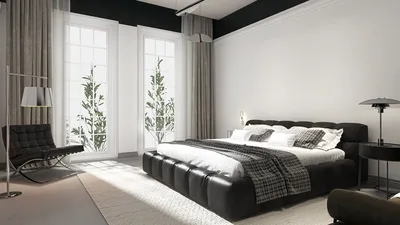


I consider tall vases as vertical punctuation in a living space—they capture attention, direct movement, and subtly enhance the room’s overall scale. When executed thoughtfully, a tall vase can complement a low-profile couch, soften a rigid corner, or serve as a focal feature without overwhelming the decor. The key is to focus on proportion, positioning, and plant selection—all harmonized with your lighting, traffic flow, and the material palette you choose. Incorporating tools like Homestyler can greatly aid in visualizing these elements together.
The importance of scale cannot be overstated. In living rooms, comfortable sightlines are achieved when essential furniture pieces maintain a human-centered ratio: seating heights typically ranging from 17 to 19 inches and eye level around 43 to 48 inches when seated. Research on ergonomics supports the notion that decor should remain clear of main walkways and preferably below shoulder height in confined areas (ergonomics.org). In professional studies, Steelcase discovered that visual clutter heightens cognitive load and stress, a concept that applies to home environments as well—simplistic focal points foster a calm atmosphere. Their findings also indicate that individuals spend up to 75% of their day sitting, hence elevating elements that draw the gaze becomes genuinely restorative. I apply this by using a tall vase to elevate visual dynamics without obstructing movement throughout the room.
Lighting is transformative. WELL v2 emphasizes the importance of glare control and light that aligns with our circadian rhythms (v2.wellcertified.com), while the Illuminating Engineering Society advises maintaining 100 to 300 lux in living spaces to ensure comfort without inducing fatigue (ies.org/standards). Tall vases often find their place near windows; selecting matte or softly textured materials can help mitigate glare while arranging foliage so edges do not sharply contrast against bright glass. In rooms where light levels peak at 200 to 300 lux during midday, opting for muted, mid-value hues can prevent harsh highlights.
Determining the Right Height and Proportion
As a general guideline, a tall vase should stand approximately one-third to one-half the height of the adjacent furniture piece. For instance, an 18 to 30-inch vase pairs well next to a 30-inch console. If it’s adjacent to a 32 to 36-inch credenza, aim for a height around 24 to 34 inches. In corners, you can stretch this height up to 40 inches, provided the silhouette remains slender and the base is stable. A narrow neck is ideal for tall flowers; wider openings can create a feeling of visual heaviness and might require more floral volume to achieve balance. Homestyler can assist in planning the perfect dimensions for your decor.
Placement That Enhances Flow
Think of your vase as a guidepost for movement. Position it where foot traffic slows—by the edge of a window bay, at the end of a sofa, or beside a fireplace—not directly in main walkways. Ensure there is at least 30 to 36 inches of unobstructed space for comfortable movement. If you’re experimenting with placements in a cozy living area, utilizing a room layout tool can be beneficial in visualizing how a tall item affects sightlines and traffic routes without the need for heavy lifting.
Materials and Finishes: Exploring Options from Ceramic to Metal
The materials you choose have implications for both weight and acoustics. Ceramic and stone lend a grounded feel and dampen sound reflections; conversely, metal contributes a modern edge but can create glare in bright light. For hardwood flooring, a matte ceramic in warm tones maintains coziness; alongside concrete or tile, introduce a textured glaze or patina to combat visual coldness and echo. If you prioritize sustainability, consider opting for recycled glass or locally sourced stoneware. In humid environments, sealed stones or powder-coated metals offer better moisture resistance compared to unsealed clay.
Color Psychology: Evoking Calm or Energy
Color choices significantly influence mood. Soft greens and muted blue-greys foster tranquility and stability, while terracotta or subdued ochres promote warmth and hospitality. Summaries from Verywell Mind's exploration of color psychology note that blues and greens typically evoke relaxation, whereas reds can heighten emotional intensity (verywellmind.com/color-psychology). I strategically place blues near reading chairs, warmer colors around conversational areas, and desaturated pinks or mauves to create a harmonious transition between cool natural light and warm evening illumination.
Stem Selection: Striking Height Without Being Top-Heavy
Achieving a balance of height and lightness is key. Branches like eucalyptus, willow, and cherry blossoms deliver vertical rhythm while remaining airy. Pampas grass or tall grasses can add texture but should be used sparingly—two to three plumes suffice. In lower light scenarios, opt for artificial botanicals featuring a matte finish and authentic node detailing; shiny plastics can cause glare. Arrangements that require water need to be set on wide, stable bases; for dry displays, consider weighted inserts or lead shot bags to maintain stability in slender vessels.
Crafting a Focal Point
A tall vase shines when integrated into a micro-composition. Form a triangle with the vase, a low stack of books or a tray, and a mid-height object like a table lamp or sculpture to create a layered focal point without overwhelming the space. Maintain adequate negative space; a gap of 6 to 8 inches surrounding the vase will prevent it from visually merging with neighboring items.
Creating Balance with Furniture and Art
Anchor your tall vases with horizontal counterparts. If a substantial piece of art hangs above a console, offset the vase slightly to avoid visual competition. For low sectional sofas, placing the vase at the end of the chaise can provide a pleasing visual cap. If you have tall built-ins, consider using a slightly shorter vase to avoid creating a 'height race' in the design.
Lighting and Glare Management
Position the vase where it catches light gently, avoiding overwhelming bright spots. In areas with strong south-facing windows, set the vase perpendicular to the light source to capture softer side illumination. At night, be cautious of overhead downlighting above glossy vases as it can create distracting reflections. Instead, opt for a lamp in the 2700 to 3000K range, providing warm illumination around 500 to 800 lumens, which enhances the space without flattening textures.
Safety, Stability, and Design Considerations
Tall vases require practical details for safety: using felt pads for floor protection, weighting the base with sand or stones, and ensuring there’s enough space away from drapery to prohibit tipping. If your space is shared with children or pets, consider positioning vases within protective alcoves or on solid consoles that are removed from prevalent paths.
Layout Ideas for Various Scenarios
In a small living room, a singular tall vase can be ideal next to the TV console, softening the technology's harsh edges, with airy stems. For a more spacious living area, consider using two vases—one by the fireplace, and another by the patio door—to create visual balance. In narrow spaces, opt for slender vases along the long wall to elongate the area. When determining placements in relation to seating and pathways, an interior layout planner can be helpful in testing different arrangements before committing to purchases.
Styling Strategies You Can Easily Reapply
Embrace seasonal changes by swapping out the stems quarterly; maintain the vase itself while refreshing its narrative. For a tone-on-tone approach, match your vase’s hue with a throw or rug for cohesive aesthetics. Mix textures—pairing a ribbed ceramic vase with smooth foliage or blending patinated metals with soft grasses can add depth. In terms of height strategy, keep the tallest items positioned on one side of a console to create a gentle ascending effect.
Care Recommendations and Maintenance Tips
For ceramic and stone materials, use a soft brush for dusting and avoid harsh scrubbers. Metal surfaces benefit from microfiber cloths and pH-neutral cleaners. When water is involved, change it every 2 to 3 days and trim stems at a 45-degree angle to inhibit bacterial growth. Dried plants are best kept out of direct sunlight; rotate them periodically to prevent permanent leaning and maintain a fresh appearance.
Frequently Asked Questions
A good height for a vase is typically one-third to one-half the height of the console it accompanies, around 18 to 30 inches next to a 30-inch console. Always adjust based on visual weight and the room's ceiling height.
Ensure tall vases are kept clear of central traffic paths, maintaining at least 30 to 36 inches of space from walkways. Alcoves, ends of consoles, and corners with minimal foot traffic are safer spots.
Matte ceramics, patinated metals, or textured stones are effective in minimizing glare. Position the vase perpendicularly to bright windows to catch subtle side light instead of direct reflections.
Cool greens, blue-greys, and muted neutrals foster relaxation, while warmer terracottas invite sociability; use warmer colors judiciously to avoid overwhelming the space.
Indeed—select matte, well constructed botanicals with varied node spacing, and keep quantity limited while blending in a natural branch for authenticity.
Stabilize your tall vases by weighting the base, using felt pads for traction, and steering clear of placement near drapery or pet play zones. Choose narrow-neck designs for enhanced stability with tall stems.
Living areas typically feel most comfortable at 100 to 300 lux. Employ warm light sources in the 2700 to 3000K spectrum and steer clear of direct lighting on glossy surfaces.
Using a pair of vases can create an effective visual rhythm, positioning one near focal points like a fireplace return and the other by a patio door. Ensure each piece has enough breathing space with complementary heights.
Absolutely. A single well-proportioned vessel filled with restrained stems can serve as a subtle focal point, reinforcing minimalism without introducing clutter.
Utilizing layout simulation tools enables you to sketch out space and circulation widths, allowing for easy assessment of sightlines from seating areas. This approach is far more efficient than the laborious task of moving heavy furniture.


Homestyler is your go-to online home design platform, perfect for all skill levels. With an intuitive design tool, stunning 3D renderings, and a wealth of DIY video tutorials, you can effortlessly transform your home and bring your creative ideas to life!
今すぐ无料でデザイン
































