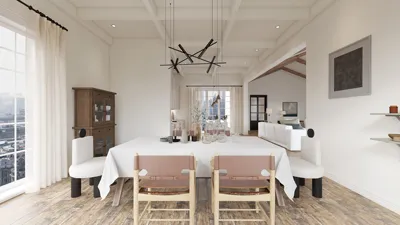


Few sensory devices can alter a room's ambiance as swiftly as a rose room spray. A single spray can help blend sharp outlines, promote tranquility, and establish a sophisticated atmosphere without requiring a change in furniture or décor. In my designs, I regard scent as a subtle enhancement—a means to synchronize color, light, and acoustic elements with the intended function of the area, be it for relaxation, concentration, or socialization.
The surrounding environment greatly influences the perception of scents. The WELL v2 standard highlights the importance of air quality and ventilation in enhancing sensory comfort. Its Air concept emphasizes the connection between pollutant control and the well-being of occupants. Research from Steelcase consistently indicates that environmental factors such as light, air, and sound significantly contribute to the overall quality and satisfaction of workplace settings. When the air is fresh and lighting is well-adjusted, the rose scent feels clearer and less overwhelming, creating a more inviting atmosphere. For strategies on enhancing indoor air quality, refer to the WELL v2 guidelines.
Rose fragrances occupy a perfect balance for influencing moods. Color psychology points out that gentle pink tones promote feelings of calmness and care; pairing a rose spray with soft textiles or warm colors reinforces this emotional signal. An overview by Verywell Mind notes the link between pink and peacefulness, aligning perfectly with how a delicate floral aroma encourages relaxation—ideal for bedrooms, lounges, and serene bathrooms.
Factors That Enhance the Effectiveness of a Rose Room Spray
Not all floral scents are created equal. I prefer finely balanced compositions that blend Damask or Centifolia rose notes with fruity top notes and a fresh musk base. This structure prevents the scent from becoming too powdery or heavy. Atomization is crucial as well: a fine mist distributes evenly, avoiding concentrated areas and preventing residue on fabrics. For compact spaces, one or two sprays will suffice, while in larger, open areas, it's best to mist along the perimeter and allow the scent to gently disperse.
Harmonizing Light, Color, and Scent
The quality of light influences how scents are perceived. Under warm lighting of 2700–3000K, rose aromas evoke a rounder and more comforting sensation; in cooler 3500–4000K lighting, they come across as cleaner and more modern. I adhere to IES recommendations for appropriate light levels based on tasks and areas, adjusting the dimming before applying scent to create a cohesive sensory experience. It’s best to pair rose fragrances with subdued color schemes—like sand, ivory, and muted greens—to minimize visual distractions and let the fragrance enhance the mood.
Considering the Ergonomics of Application
Think about the process of spraying as part of your workflow. In entryways or living areas, mist along pathways rather than on seating, so the scent offers a welcoming atmosphere without overwhelming those who enter. For bedrooms, spray the fragrance 15–20 minutes before relaxation time; avoid direct contact with bedding to keep it gentle on the skin. In work areas, limit sprays near bookshelves or fabric panels, keeping the main workspaces unscented to maintain concentration and consider coworkers' preferences.
Understanding Behavioral Patterns and Spatial Intent
The rose fragrance encourages restorative behaviors—slower breathing and prolonged presence in a space. I utilize it to create a warm ambiance in social areas before guests arrive, then reduce its presence during meal times to maintain palate neutrality. In reading corners, a subtle rose hint invites a pause and aids the transition from screen time to reading. If the goal is active brainstorming or intense physical exercise, I switch to more vibrant citrus-herbal fragrances and bring back the rose scent for relaxation afterwards.
The Relationship Between Acoustic Comfort and Scent Perception
Sound can overshadow scent. In spaces with high reverberation, individuals often find fragrances to be more intense. Incorporating soft furnishings and acoustic panels reduces the reverberation time, allowing for more subtle scent applications. The outcome is a quieter environment where the rose aroma is perceived as a gentle undertone rather than an overpowering element.
Selecting Materials with Sustainability in Mind
Investing in high-quality carriers (phthalate-free bases, IFRA-compliant ingredients) and responsibly sourced oils is essential. Natural rose absolute is highly concentrated; a well-balanced mixture with safe synthetics can keep costs manageable while ensuring reliability. Opt for recyclable glass bottles with fine misters, and store them in cool places to maintain the fragrance integrity. Sustainability also involves sizing appropriately: smaller sprays for powder rooms and larger ones for open spaces ensures minimal waste and consistent effectiveness.
Balancing Visual Appeal and Spatial Ratios
Assess the proportions of the room before applying scent. Tall spaces may require upward mists, while compact areas benefit from applying scent only in corners to avoid overwhelming the breathing zone. If you are redesigning your layout along with your scent strategy, consider using a room layout tool to visualize traffic patterns and scent placement, ensuring flow and balance with the furniture arrangement.
Emerging Interior Trends for 2024–2025: Embracing Subtle Luxury
Current interior design trends favor a sense of understated luxury—soft palettes, tactile materials, and layered sensory experiences. The rose fragrance complements this beautifully: apply micro-doses, utilize linen sprays for bedding, and incorporate a small diffuser to maintain a consistent scent base between manual applications. Pair these with ribbed wood textures, boucle fabrics, and matte metals for a grounded and soft experience.
My Practical Tips for Effective Scent Usage
- Entry: One to two upward sprays near the door, paired with warm 3000K lighting and a soft runner to absorb sound.
- Living room: Mist along the perimeter, dim lighting to 30–40% in the evening; avoid applying on the coffee table.
- Bedroom: Spray across the room, not directly on fabrics; time it before your routine; use blackout curtains for improved sleep cues.
- Bathroom: After running ventilation, a single mist works; rose scent elevates clean finishes without counteracting humidity.
- Workspace: Confine applications to the outer areas; respect shared air dynamics and scent sensitivities.
Frequently Asked Questions
For small rooms (under 150 sq ft), start with one mist and two to three for larger spaces. After five minutes, check if the scent is apparent upon entry; if it is, you’ve achieved the right dosage.
In focused work areas, apply sparingly away from desks. Research from Steelcase demonstrates that environmental comfort can affect focus; keep scents subtle to enhance concentration without distraction.
Warm light (2700–3000K) creates a cozy and intimate vibe, while cooler light (3500–4000K) provides a more modern feel. Align the lighting with the behavioral goals of the room.
Unless clearly labeled as a fabric or linen spray, avoid direct application on fabrics. Mist into the air and let it settle to minimize staining and maintain textile quality.
Prioritize improving ventilation first, then apply fine atomization methods and mist around the perimeter. Following WELL v2 guidelines concerning air exchanges can help maintain the fragrance's lightness.
Choose soft neutrals, blush tones, muted greens, and matte metals to balance the floral scent. The associations of pink in color psychology promote tranquility, perfectly complementing rose aromas.
Yes, in small doses. Aim to keep sprays away from workstations while collaborating with team preferences. Establish scent-free zones for those with sensitivities.
Most quality sprays can last 30–90 minutes depending on airflow and material reactions. Lightly reapply; layering small amounts outperforms heavy single applications.
High reverberation in spaces can make scents seem sharper. Utilizing soft materials and acoustic panels creates a quieter environment where subtle aromas are enjoyed more pleasantly.
Keep products in cool, shaded areas away from heat and direct sunlight to maintain the fragrance and avoid degradation of the carrier materials.
While not a medical solution, the calming properties of gentle floral scents can assist in winding down; pair them with warm light adjustments and adequate ventilation.
Map out circulation paths, ventilation points, and light sources, then decide on spray locations outside of areas meant for focused tasks. Use a layout tool to visualize flow and distribution placement.

Minimalist Pink Fabric Loveseat Sofa with Throw Blanket 3D Model
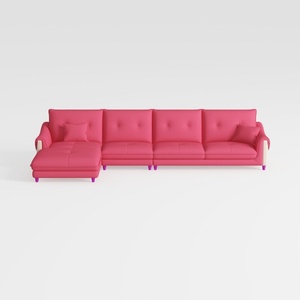
Modern Pink Fabric L Shaped Sectional Sofa 3D Model
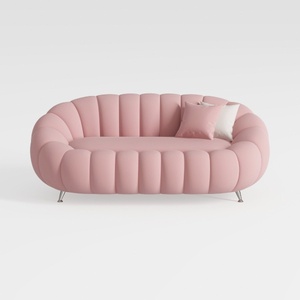

Modern Pink Fabric Tufted Loveseat Sofa 3D Model
Homestyler is your go-to online design platform, perfect for crafting stunning home interiors. With its user-friendly design tool, impressive 3D renderings, diverse design projects, and informative video tutorials, you can easily transform your ideas into reality. Unleash your creativity today!
Desain sekarang Gratis
































