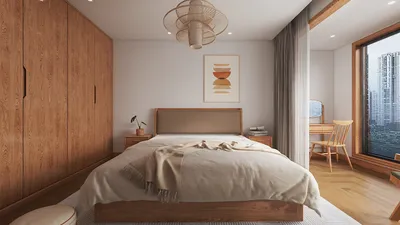


The enchanting rose fragrance has a unique ability to enhance any environment, impacting both the physical space and the emotions of those within it. When incorporating a rose room freshener, I view it as an essential design element that should interact harmoniously with components such as light, color, and acoustics without overwhelming them. Research by Verywell Mind emphasizes that specific scents can alleviate stress and foster relaxation, with rose often recognized for its calming properties and its role in emotional equilibrium. Steelcase's findings point towards the importance of sensory comfort—which includes aspects like light, sound, and air quality—in enhancing satisfaction and productivity, illustrating how fragrance can significantly enhance that comfort when used thoughtfully in the right environments, even with tools like Homestyler for layout visualization.
Design Intent: The Importance of Rose in Spatial Experience
The rose, a fragrant flower, belongs to the floral category and is characterized by its warm, soft, and subtly honey-like notes. In home settings, I utilize its essence to diminish visual distractions and promote relaxation, while in hospitality environments, it conveys a sense of care and a sophisticated brand image. Research from WELL v2 indicates that the quality of indoor environments, including olfactory experiences, is crucial for occupant health, particularly when minimizing pollutants and irritants. A natural rose freshener—especially those that are low in VOCs and alcohol-free—aligns perfectly with these objectives, adding a delicate layer of scent. My focus is on consistent, even diffusion rather than overwhelming bursts of fragrance, which aligns with human factors principles, promoting user comfort and control, especially when utilizing design tools like Homestyler.
Real Rose versus Synthetic: Why It Matters
I prefer utilizing rose absolute or essential oil blends derived from Rosa damascena or Rosa centifolia, as they provide a complex olfactory experience with nuanced top, heart, and base notes that are often lacking in flat synthetic alternatives. However, some modern synthetic options comply with IFRA regulations and can be gentler on allergies. The crucial aspect is ingredient transparency: we should look for clear label descriptions, low-VOC carriers, and options designed for sensitivities, such as unscented areas, limited diffusion, or lighter fragrance accords. Scent should always be an intentional choice, not an imposed experience.
Diffusion Techniques and Strategic Placement
Effective scent diffusion involves understanding airflow and user behavior. In living areas, I position diffusers near return air paths (not supply vents) to avoid overwhelming the space with too much fragrance. In bedrooms, I recommend bedside micro-diffusion to create an inviting atmosphere, stopping the diffusion 30 minutes prior to sleep to prevent overstimulation. For entryways, it’s important to create a subtle impression—using a single reed diffuser or a micro-nebulizer positioned away from direct drafts works best. When managing open-plan layouts, I utilize an interior planner to assess air circulation and how fragrance might spread within the atmosphere; employing a room layout tool such as Homestyler can aid in visualizing paths and understanding attendee density before finalizing arrangements.
Achieving Harmony Among Light, Color, and Scent
The rose scent blends beautifully with warm-white lighting (2700–3000K). Industry standards from IES suggest managing glare and maintaining balanced lighting to create a calming visual space, enhancing the way soft floral fragrances come across. In color psychology, hues like pinks and warm neutrals foster a peaceful atmosphere, while deeper shades of green and charcoal add sophistication to the romance of rose. I often create a color palette inspired by the fragrance profile—think blush, tea rose, soft olive, along with bone and bronze accents—aiming for a unified sensory experience, as no single element should dominate the scene.
Elevating Acoustics and Material Choices
Floral notes convey grace more authentically in acoustically balanced environments. To reduce sound reverberation, I incorporate soft materials such as wool rugs, upholstered panels, and densely woven drapery. Natural elements like oiled oak, rattan, linen, and ceramic not only complement botanical fragrances but also mitigate the impact of chemical scents. In areas like kitchens and bathrooms, it’s important to prioritize surfaces that are easy to clean, preventing scent from clinging to unwanted residues.
Creative Seasonal and Contextual Blending
Rose exhibits remarkable versatility as a fragrance. In spring, it pairs beautifully with citrus notes like bergamot and petitgrain for clarity. During summer, I blend it with airy accompaniments such as geranium or watery greens; autumn calls for merging rose with woodsy and resinous hints, while winter is often celebrated with comforting scents like vanilla and cedar. It’s essential to keep rose's proportions minimal—allowing it to lead softly. In workplace settings, I reduce any sweet undertones and introduce herbaceous scents like rosemary or sage to enhance alertness without harshness.
Health, Sensitivity, and User Control
Every individual's scent tolerance differs. It's vital to provide options: adjustable diffusers, scent-free areas, and clear labeling. The WELL v2 framework emphasizes minimizing pollutants; therefore, selecting products with minimal additives is important, alongside avoiding continuous high-output diffusion. For homes with children or pets, it's crucial to keep concentrations secure and utilize micro-doses. Within hospitality settings, establish a standard operating procedure for scents, detailing timing, intensity, and maintenance schedules to avoid drift and ensure consistency.
Creating Rituals and Behavioral Cues
Fragrance can act as a powerful signal for behavioral transitions. A brief misting of rose at dusk may help in unwinding, while a light citrus rose blend in the morning signifies a fresh beginning. In retail spaces and wellness facilities, utilizing rose creatively can anchor brand recognition, but it's essential to maintain a balance where guests focus on the products or services rather than an overwhelming scent experience.
Various Application Methods: From Mist to Micro-Nebulizers
- Reed diffusers: These provide consistent, low-maintenance fragrance; rotate reeds periodically to prevent saturation spikes.
- Ultrasonic diffusers: These offer flexibility but can add humidity; it’s important to keep the water reservoirs clean to prevent off-odors.
- Micro-nebulizers: Highly effective for larger areas with set schedules; it's best to start at the lowest output setting.
- Room sprays: These deliver an immediate, though fleeting, scent; they work well prior to guest arrivals—two light applications generally suffice.
- Scented ceramics or stones: These provide gentle ambient release; placing them close to seating areas enhances localized effects.
Maintenance, Longevity, and Proper Storage
Changing placements is vital to avoid scent fatigue. Refresh reed diffusers monthly and clean other devices weekly. Store essential oils in dark glass bottles in cool conditions, ensuring they are tightly capped to avoid oxidation. I recommend keeping notes on scent intensity—if visitors don't notice the rose, you likely have reached the perfect balance.
Sustainable Choices in Scenting
Opt for sustainably sourced rose oils, utilize recycled packaging, and consider refill systems. Select diffusers made with durable, repairable materials. Adopting a lighter application of scent is inherently more sustainable as it uses less product while conveying a deeper intention.
To ensure that fragrance enhances overall occupant comfort, it should align with broader environmental strategies. The WELL v2 approach emphasizes low-emission products and gives users control. The research from Steelcase on workplace wellbeing consistently highlights the importance of multisensory balance—integrating sound, light, and air quality—where fragrance acts as a soft layer rather than a prominent feature. For designers looking to align with current industry insights, these references offer valuable guidance without mandating uniform solutions. Explore further at: WELL v2 and Steelcase Research.
Frequently Asked Questions
Q1: What is the ideal strength for a rose room freshener?
A1: The intensity should remain below the level of constant awareness. If you can continuously perceive the rose fragrance, it’s too overpowering. Aim for a subtle presence that surfaces predominantly during transitions.
Q2: Is natural rose safer than synthetic options?
A2: It’s not a blanket statement. Natural oils can trigger sensitivities, whereas compliant synthetics might be milder. Prioritizing low-VOC formulations and providing scent-free zones is advisable for those who prefer absence.
Q3: Which lighting complements rose fragrances best?
A3: Warm-white lighting in the range of 2700–3000K works well to enhance rose’s softer notes. Managing glare and ensuring balanced illumination will help avoid overwhelming the senses.
Q4: Where should diffusers be strategically positioned?
A4: Position them near return air paths for balanced scent distribution and away from supply vents to prevent concentrated zones. In bedrooms, using timed diffusion that ceases 30 minutes prior to sleep is ideal.
Q5: Can rose scents enhance productivity?
A5: While indirectly, fragrances can enrich the sensory experience that supports productivity; using them lightly alongside proper light, sound, and air quality is beneficial.
Q6: How do I blend rose scents seasonally?
A6: Pair rose with citrus in spring, light greens or geranium in summer, woods or resins in autumn, and comforting scents in winter like vanilla or cedar—to always maintain rose as the subtle forefront.
Q7: What materials complement rose fragrances effectively?
A7: Opt for natural, tactile materials such as linen, wool, oak, and ceramic that support the gentle character of floral scents while diminishing the perception of harsh chemicals.
Q8: How can I manage scent sensitivities in shared areas?
A8: Provide adjustable diffusers, implement clear labeling, and establish scent-free zones. Start with the lowest intensity and collect feedback before increasing fragrance levels.
Q9: Does room size influence the fragrance strategy?
A9: Indeed. Larger spaces may benefit from low settings on micro-nebulizers, whereas smaller areas might require reed diffusers or brief sprays. Always test and make the necessary adjustments.
Q10: How frequently should I refresh the scent?
A10: Regularly clean devices weekly and replace reeds monthly. If the scent starts to feel stale, incorporating a slight seasonal blend can help refresh the experience.


Homestyler is your go-to online platform for transforming your home design dreams into reality. With its user-friendly design tool, stunning 3D renderings, and a vast collection of inspiring design projects, plus DIY video tutorials, it makes home redesigning effortless and exciting.
تصميم الآن مجانا
































