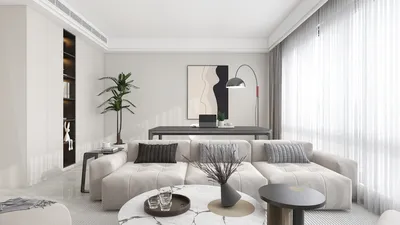


I appreciate how a small live edge side table contributes to a room's ambiance. Its unique, irregular edges, mineral streaks, and bark details have a magical ability to soften harsh angles and create an organic balance against materials such as metal, glass, or concrete. When selected thoughtfully, this compact piece not only serves as a place to set a beverage but also acts as a focal point, enhances movement flow, and enriches the sensory atmosphere within a space. Utilizing tools like Homestyler can help visualize these effects more clearly.
The size of furniture is crucial. In homes, side tables typically range from 22 to 26 inches in height, aligning perfectly with standard sofa arm heights for easy access, while maintaining a diameter of 16 to 20 inches preserves essential space in cozy living areas. Research by Steelcase indicates that informal environments promote better collaboration and concentration when seating styles vary and surfaces remain accessible. Therefore, choosing a small table that matches the height of lounge armchairs facilitates quick tasks and comfort without awkward stretches. In health-focused designs, concepts from WELL v2 highlight the importance of biophilic elements for enhancing mood and well-being. Choosing natural materials such as solid wood effectively supports this goal. The combination of size and strategic design ensures the table's functionality while accentuating its artistic form.
Material quality is essential. A genuine live edge should be crafted from a single slab or robust layering that retains the tree's natural shape. I prefer kiln-dried hardwoods with a moisture content of about 6 to 8 percent to minimize movement; materials like walnut, white oak, and cherry are excellent, with walnut presenting the most striking patterns. For finishes, hardwax oils are great as they provide a warm tactile feel and a matte appearance that reduces glare, in accordance with IES guidelines which recommend lower reflectivity to prevent discomfort near task lighting. If the table is positioned under a floor lamp, aim for warm lights between 2700 and 3000K to enhance the wood’s natural color, keeping ambient lighting around 200 to 300 lux to avoid fading the grain.
Proportion and Placement
Small side tables should harmonize visually and serve practical functions. Ideally, the tabletop should be positioned 1 to 2 inches below the height of adjacent armrests for easy access. If seating lacks arms, the center of the table should be aligned with the sitter’s shoulder, usually about 8 to 12 inches from the edge of the cushion. In compact spaces, it’s vital to keep a main traffic path of 30 to 36 inches clear; placing the table outside this zone prevents potential setbacks. For a floating sofa arrangement, opt for two small live edge tables instead of one large table to maintain open sightlines and distribute surfaces more evenly. Visualization tools like Homestyler can assist in creating these layouts effectively.
Balancing Organic and Modern Elements
Live edge designs can have a rustic feel if not paired appropriately. I often recommend sleek powder-coated steel legs or a tripod base to introduce lightness and shadow under the slab; a matte black finish recedes visually while bronzed bases add warmth to the palette. In minimalist spaces, allowing the natural grain of the wood to be the sole decorative feature avoids clutter. For layered interiors, consider a pebble-shaped rug or a unique vessel that echoes the organic forms of the tabletop. Color psychology suggests that warm wood tones enhance comfort, so pairing them with muted cool hues can maintain visual balance without overwhelming the space.
Acoustic and Tactile Considerations
A small table can make a significant difference acoustically. A solid wood surface absorbs mid-frequency sounds better than glass, helping to mitigate the noise of dishes in rooms with hard finishes. Using felt pads under each foot is advisable if the table is placed on polished concrete or tiles to prevent noise when nudged. For households with children, choosing a rounded edge radius of 2 to 3 mm and a stable base that occupies at least 60% of the top's smallest dimension can minimize the risk of tipping. These considerations ensure the table remains as calming to use as it appears.
Choosing the Right Species
The type of wood selected influences both aesthetics and durability. Walnut boasts deep grain and an elegant chocolate hue that appears luxurious in low light. White oak, known for its straight grain and enhanced hardness, complements contemporary fabrics beautifully. Cherry wood matures to a rich patina, perfect for cozy reading nooks. Reclaimed slabs add a story and uniqueness; ensure they come from certified sources with verified structural integrity. For eco-conscious consumers, sourcing local hardwoods and opting for low-VOC finishes are important steps; hardwax oils and waterborne polyurethanes are effective choices.
Finish and Maintenance
In day-to-day use, a hardwax oil finish is practical and allows for easy touch-ups. If the table will support plants or chilled beverages, using coasters or a leather pad offers an invisible protective layer. It's best to steer clear of silicone products as they can close the wood grain and complicate future refinishing. Seasonal maintenance can be as simple as wiping the table with a white scotch pad and oil to preserve its beauty without creating gloss. Sun exposure can lead to uneven aging; rotating the table quarterly helps distribute UV exposure, especially crucial for cherry wood.
Styling a Small Live Edge Table
Maintain a clean aesthetic when styling. One artistic element—such as a ceramic mug, a hand-blown glass piece, or a small stone—can keep the table's edge as the main focus. If the slab contains a natural void, it’s best to leave it unfilled to highlight the piece’s story; negative space enhances its character. In reading corners, utilizing a slender task lamp with a 2700K bulb minimizes harshness on the wood; position the light so that it softly illuminates the edge rather than casting direct beams onto the surface to reduce glare and enhance texture.
Layout Strategy in Compact Rooms
In studio apartments or smaller lounges, testing layouts digitally before making decisions is vital to ensure the side table doesn’t disrupt circulation or obstruct drawers. A versatile planning tool can help gauge clearances, particularly the 18 to 24-inch reach from seating and the 30 to 36-inch primary pathway. If the seating is modular, consider using two small live edge tables placed diagonally to comfortably serve both seats without crowding the middle area, aided by visualization platforms like Homestyler to provide clarity.
Workplace and Hospitality Use
Live edge tables excel in hospitality settings and collaborative nooks. Research from Steelcase highlights that diverse postures and supportive micro-surfaces enhance user engagement. In these areas, specifying robust top coats (such as oil-wax with extra hardeners or heavy-duty waterborne finishes) along with sealed end grain is crucial for spill resistance. It's advantageous to align these tables with brand themes through the selection of base finishes rather than overpowering the wood with stains; the natural authenticity of the slab remains the focal point.
Ethics and Sourcing
Ensuring traceability is essential. Request harvesting documents or certifications and verify the kiln-drying process. For slabs featuring bark inclusions, stabilize the cambium with resin only in necessary areas; over-filling edges can compromise the tactile quality that makes live edge pieces appealing. I recommend avoiding heavily pigmented stains—natural colors tend to age beautifully. When a project prioritizes high durability, a clear matte finish enhances the grain's visibility while increasing resilience.
FAQ
Q1: What is a live edge side table?
A: A live edge side table retains the tree's natural contours and character on one or more edges, showcasing the organic beauty of the wood.
Q2: How tall should a small side table be next to a sofa?
A: A height of 22 to 26 inches is ideal, ideally sitting 1 to 2 inches below the height of the sofa arm to allow for comfortable access.
Q3: Which wood species are best for small live edge tables?
A: Great options include walnut, white oak, and cherry for their stability and attractive tones. Walnut offers rich graining, oak is durable and neutral, and cherry develops a warm patina over time.
Q4: What finishes help resist rings and stains?
A: Hardwax oils provide a natural appearance and allow for easy repairs. For more frequent use, waterborne polyurethane in a matte finish preserves the wood while offering added protection—always use coasters for cold beverages.
Q5: How do lighting choices impact the appearance of live edge wood?
A: Warm lighting (2700–3000K) enhances the inherent warmth of the wood; overly bright, direct lighting can create glare and detract from its beauty. Aim for ambient lighting in living rooms around 200 to 300 lux to display the grain effectively.
Q6: Will a small live edge table create a rustic vibe in a room?
A: Not necessarily. When paired with slender metal bases, modern fabrics, and thoughtful styling, the live edge can be a striking organic touch that complements modern decor.
Q7: How do I plan for placement in a small room?
A: Ensure there is a clear space of 30 to 36 inches for movement and 18 to 24 inches reach from seating areas. Consider using a digital interior design tool to visualize the necessary clearances.
Q8: Is reclaimed wood suitable for live edge tables?
A: Yes, if it’s properly dried and structurally safe. Reclaimed slabs tell a story and add uniqueness; it's necessary to confirm their origins and stability while embracing the natural irregularities inherent in live edge design.
Q9: Are live edge tables practical in workplace or hospitality environments?
A: Certainly. They provide support for various seating postures and tasks in lounge areas. Durable finishes and sealed edges help resist spills, while base finishes that align with brand identities enhance their workplace fit.
Q10: How can I maintain the finish over time?
A: Quickly address spills, avoid silicone products for polishing, and reapply hardwax oil seasonally. Rotate the table periodically to balance UV exposure, particularly crucial for wooden surfaces like cherry.
Q11: What base styles offer the most stability for small tops?
A: Tripod or splayed metal legs with a footprint at least 60% of the top's smallest dimension provide adequate stability while maintaining a light visual presence.
Q12: Can a live edge table enhance a room's acoustics?
A: Yes, solid wood tops do absorb some mid-frequency sounds, helping to soften noise compared to glass surfaces. Additionally, felt pads can minimize sound on harder flooring.


Homestyler is your go-to platform for effortless home design. With its user-friendly online design tool and stunning 3D renderings, you can unleash your creativity. Explore diverse design projects and enhance your skills with engaging video tutorials, making your dream home a reality in no time!
今すぐ无料でデザイン
































