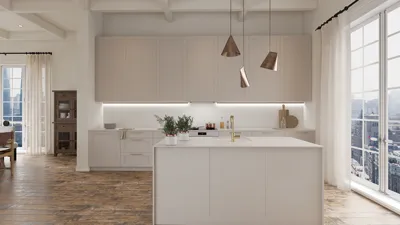


Ambient lighting is essential for establishing the atmosphere in any setting, particularly in compact spaces where each lighting decision counts. This article explores effective strategies for using an ambient lighting palette to enrich your home’s design, ensuring compliance with contemporary standards for aesthetics and user interaction.
What is an Ambient Lighting Palette?
An ambient lighting palette consists of chosen light sources, hues, and brightness levels that produce a suitable level of illumination in a space. Consider it as the cornerstone of your room's lighting, offering a gentle glow that enhances visibility and cultivates a hospitable environment. By meticulously selecting elements for your ambient lighting palette, you elevate both the functionality and the visual charm of your home. Integrating tools like Homestyler can help in visualizing these choices.
1. Choose the Right Fixtures
The initial step in utilizing an ambient lighting palette is selecting fixtures that align with your style and complement the design of the room. Options such as floor lamps, table lamps, or recessed lighting can be employed to foster a well-balanced lighting effect. Ensure that the fixtures enhance the room's design without dominating the space. Aim for styles that mirror your personal aesthetic while remaining practical—striking a balance that fosters harmony within your environment.
2. Layer Your Lighting
Creating layers in your ambient lighting delivers depth and mitigates harsh shadows. Combine various lighting types—overhead fixtures, wall sconces, and flexible lamps—together. Position lights at diverse heights for visual engagement and to enrich the overall ambience. This thoughtful layering strategy not only refines illumination but also captivates viewers through a layered visual experience.
3. Use Dimmer Switches
Incorporating dimmer switches enhances versatility, allowing you to modify the atmosphere to suit different activities or moods. Dimmer switches are particularly beneficial in limited spaces, enabling adjustments from a warm, cozy ambiance to an invigorating brightness ideal for focused tasks. This flexibility significantly affects your interaction with your surroundings while conserving energy when full brightness isn't essential.
4. Consider Color Temperature
The color temperature of your bulbs substantially influences the ambiance of a room. Choose bulbs that emit a warm glow (approximately 2700K to 3000K) for a cozy atmosphere. Cooler temperatures may foster an energizing environment, suitable for workspaces but less so for living areas. Evaluate how the light interacts with wall colors and furniture textures to make informed selection for your ambient lighting palette.
5. Incorporate Natural Light
While designing your ambient lighting palette, prioritize the role of natural light. Employ sheer curtains or strategically positioned mirrors to reflect sunlight throughout your space, enhancing brightness during the day and minimizing the need for artificial lighting. Leveraging daylight not only uplifts your mood but also fosters a healthier living space in tune with natural circadian rhythms.
FAQ
Q: How can I improve the ambient lighting in a small living room? A: Utilize multiple light sources at varying heights, opt for warm light bulbs, and incorporate dimmer switches for adaptable lighting options. This combination fosters a welcoming space that suits any occasion.
Q: What are the best types of fixtures for ambient lighting? A: Excellent choices for creating ambient lighting include floor lamps, table lamps, pendant lights, and wall sconces, all of which allow you to illuminate and enhance your room’s design effectively.


Transform your living space with Homestyler! This user-friendly online design platform offers powerful tools for creating stunning 3D renderings, a wealth of design projects, and helpful video tutorials. Whether you're a novice or a seasoned DIYer, Homestyler makes home design inspiring and accessible!
立即免费设计
































