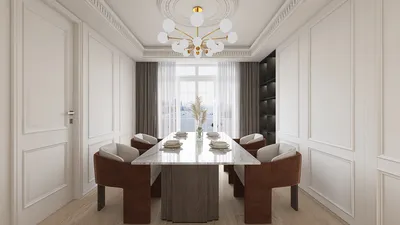


I've transformed countless pantry doors, consistently discovering that the benefits far exceed the effort involved. A thoughtfully executed DIY project can enhance storage efficiency, minimize visual chaos, and introduce a striking detail without altering cabinetry. The essence lies in merging functionality—considering ergonomics, light management, and sound isolation—with a finish that harmonizes with your home’s overall aesthetic, which can be effectively highlighted using tools like Homestyler.
Functionality should always take precedence. Research has shown that improved accessibility and clarity can significantly enhance everyday use: Studies from Steelcase demonstrate that cleaner, more organized spaces decrease cognitive load, leading to marked increases in task efficiency. Furthermore, the WELL v2 standard highlights the importance of managing glare and ensuring user-friendly ergonomics; maintaining a comfortable grip height (ranging from 34 to 48 inches from the ground) along with low-gloss finishes can alleviate physical strain and visual fatigue. I often design pull sizes and door swings according to the most frequent user in a household, ensuring optimal use.
While planning, don’t overlook lighting. According to IES standards, optimal kitchen performance requires ambient light levels between 300 and 500 lux, with careful glare control near reflective surfaces. When selecting a finish for a pantry door, aim for glazing that diffuses brightness effectively and steer clear of highly reflective surfaces, ensuring that design choices promote clear sightlines—opaque lower sections combined with frosted upper panels illuminate the space without revealing every item inside.
Evaluate Your Existing Door
Begin by examining the currently installed door: is it slab wood, hollow-core, bifold, or pocket? Assess the alignment of jams, the condition of hinges, and the maximum opening space. It's standard for interior doors to have a clear width of about 30 inches, but even a 24-inch passage can be functional if you opt for low-profile hardware and maintain shallow shelving near the hinges. When coordinating shelf depth and door swing, using a basic room layout tool like Homestyler to visualize available space can be very helpful, especially around islands and refrigerators.
Select a Door Style That Complements Your Kitchen
Style encompasses more than just aesthetics; it conveys functionality and shapes light. I typically favor five core styles:
Timeless and serene, particularly in muted tones. The color psychology explored by Verywell Mind highlights that greens and blues relate to tranquility; soft olive or pale blue can create a stable and organized kitchen atmosphere. Pair these shades with a satin finish to manage glare.
Allows natural light in while concealing visual clutter. Opt for laminated or tempered frosted glass which prioritizes safety, and favor vertical proportions that align with cabinet styles. Ensure that rail thickness is consistent with adjacent doors for a cohesive visual appeal.
Excellent for light diffusion and adding texture. The vertical ribbing establishes a visual rhythm, complements existing paneling, and lessens the direct visibility of inner shelves.
Ideal for environments needing moisture control—such as coastal homes or pantries designated for produce. Ensure the slat orientation is designed to obscure direct sightlines; selecting a darker paint for the interior can further diminish visibility of stored items.
In compact kitchens, sliding solutions can mitigate swing conflicts with ovens or islands. Before proceeding with a pocket door, verify wall integrity; for surface-mounted barn doors, utilizing soft-close hardware and anti-jump guides enhances safety.
Hardware: Touch, Safety, and Quiet Operation
The handle serves as your everyday interface with the door. I design pulls for a full-hand grip, adhering to WELL v2 height standards for accessibility. The choice of backsets and latches is crucial: there's seldom a need for privacy latches; instead, select passage sets featuring ball catches or magnetic latches for silent functionality. If kids are involved, edge pulls without protruding edges will prevent accidents. Incorporating felt or rubber bumpers can help diminish impact noise; small acoustic enhancements can notably reduce stress levels in open-plan kitchens.
Paint, Finish, and Texture
Colors greatly influence ambience and order. Low-chroma neutrals extend sightlines, whereas bolder contrasts can feature the pantry as a statement piece. Maintain a satin or matte finish to minimize glare; higher gloss levels can amplify harsh lighting in typical kitchen environments. Be sure to prime effectively, sand between applications, and finish edges to avoid chipping at frequently used areas. If refinishing a glass-inset door, color-matching silicone can provide clean glazing lines.
Incorporating Glass Inserts: Privacy Without Dimness
When swapping a solid panel for glass, choose tempered or laminated safety glass. Frosted, reeded, or fabric-interlayer laminates provide a softer visual while allowing brightness. Pay attention to the muntin grid; opting for fewer, taller panes enhances cleanliness and reduces upkeep. Seal edges meticulously to block odors from invading the pantry.
Frosted Film: A Rapid, Reversible Solution
Frosted adhesive film offers the quickest solution for achieving a more tranquil appearance. Begin with a thorough cleaning, mist with water and a splash of dish soap, then squeegee outward from the center. Opt for films designed for kitchen use; UV-resistant varieties will resist fading near heated appliances. Additionally, these films can help obscure high-contrast labels, reducing immediate visual clutter.
Enhance Door Functionality: Hinges, Soft-Close Mechanisms, and Alignment
Update worn hinges with high-quality ball-bearing or soft-close options. Confirm reveal gaps (at the top, latch, and hinge edges) are uniform, ideally between 2 to 3 mm. A magnetic latch can ensure doors close securely without the noise typical of standard strikes. For bifold setups, consider adding a guide pin at the bottom to reduce wobbling.
Door Signage and Typography
Subtle lettering can be appealing if used judiciously. Stay away from overly literal “PANTRY” labels in flamboyant fonts, as these can quickly become outdated. If you choose to use text, consider a simple sans serif font, placed at eye level with moderate contrast. I prefer understated indicators—maybe a unique panel shape or a distinctive pull finish.
Interior Organization Impacts Your Choice of Door
The effectiveness of the door is enhanced when the interior organization is coherent. Schedule shelf heights based on common items: cereals at 50-60 inches, baking essentials at 42-48 inches, and heavier items at waist level. Insights from Steelcase’s workplace studies can transfer well here—minimizing friction in reach and visual navigation boosts efficiency. Should you opt for a glass door, invest in uniform containers and consistent labeling to support a calm visual environment.
Acoustic and Thermal Considerations
In open kitchen designs, even subtle acoustic improvements hold significant value. A hollow-core door tends to transmit more noise, while a solid or semi-solid core can effectively absorb the sound of appliances. Adding weatherstripping along the door stops can slightly enhance temperature regulation for pantries adjacent to outside walls. Ensure adequate ventilation for produce storage; louvers or discreet undercuts can serve this purpose.
Economical DIY Strategies
Here's an efficient method I recommend for most clients:
Throughout the process, test ergonomics—handle height, required pull force, and clearances near nearby devices.
Color Psychology in Kitchens
Color influences behavior significantly. According to Verywell Mind's overview on color theory, cool hues tend to foster relaxation, while warm tones are energizing. In kitchens, I prefer cool base colors (such as soft gray or muted blue) paired with warm metallic accents (like brass or champagne) to anchor the space while making it inviting. If your kitchen already features strong contrasts, select a pantry door that is within a couple of shades of your wall color to minimize visual dissonance.
Sustainability in Material Selections
Whenever possible, refurbish rather than replace. Low-VOC paints help cut down on indoor pollutants; reuse existing door frames with new skins or inserts. Additionally, using FSC-certified woods for new rails and stiles is beneficial. Increasingly, laminated safety glass infused with recycled materials is obtainable; it's essential to check local regulations for tempered glass requirements in food preparation zones.
Coordinating Layout
Ensure the door swing fits smoothly with traffic patterns and appliance clearances. If an island’s corner blocks movement, consider switching to a sliding barn door or a pocket version to save space. During planning, using a layout simulation tool can effectively model clearances, sightlines, and light flow into the pantry, preventing future mishaps.
Final Details
Incorporate a soft-close strike plate, match the door edge paint to the face, and transition to low-glare screws. If glass is included, consider illuminating the interior with 2700-3000K LED tape at a gentle brightness (around 150-200 lux) to keep contents visible without overwhelming the kitchen with light. Ensure labels and storage containers are uniform—your customized door will appear intentional as the interior complements it.
Frequently Asked Questions
I typically install pulls between 34 and 40 inches from the ground for an optimal reach that caters to a wide range of users, in line with reached guidance provided in WELL v2.
Frosted films are both reversible and budget-conscious; frosted laminated glass is a safer, more effective alternative. Film serves as an excellent way to experiment with aesthetics before committing to a permanent insert.
For pantry interiors, aim for about 150-200 lux of lighting to keep labels visible without creating glare, in accordance with kitchen ambient levels of approximately 300-500 lux as recommended by IES.
Yes, provided there is enough wall space. Use soft-close hardware and ensure floor guides are present. In narrow hallways, a pocket door may be the better choice to avoid wall congestion.
Satin or matte finishes can reduce glare and minimize fingerprints, particularly under standard kitchen lighting. Although high gloss presents a sleek appearance, it may reflect task lighting excessively and reveal smudges.
Switching to magnetic latches, adding felt bumpers, and considering semi-solid cores can enhance functionality. Simple acoustic updates can greatly improve comfort in open concept homes.
Certainly, as long as the door’s rails and stiles are adequately wide to uphold structural integrity. Opt for tempered or laminated safety glass and secure it using appropriate glazing methods.
Cool, desaturated colors like soft blues or olives lend themselves to creating a calming atmosphere. Constructive use of uniform container colors within the pantry aligns visibly, reinforcing findings from color psychology.
Louvers facilitate airflow, mitigating humidity build-up. Pairing them with darker inner paint can help keep stored items visually discreet from the broader kitchen area.
Plan the swing or slide paths, ensuring a clearance of at least 36 inches for passage. A quick assessment using a layout simulation tool can prevent clashing with oven doors or dishwasher fronts.



Looking to transform your home? Homestyler offers a fantastic online design tool that lets you create stunning 3D renderings and explore numerous design projects. With helpful DIY video tutorials, it’s easy to bring your creative vision to life—perfect for both beginners and seasoned designers!
Progetta ora GRATIS
































