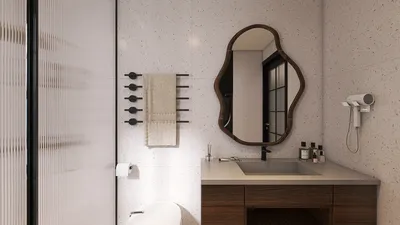


When conceptualizing room fountains, I see them as sculptural statements and sensory enhancers. The aim is to introduce a gentle water flow that harmonizes with conversations, movement, and lighting. A strategically selected fountain can enhance acoustics, define seating arrangements, and convey an air of sophistication, especially when using tools like Homestyler for layout planning.
Managing sound is essential. Research in office environments suggests that ambient noise levels of 40–50 dBA foster concentration without fatigue. Similarly, a drawing room's experience can greatly benefit from water features that emit a soothing 35–45 dBA, thus preserving the clarity of dialogue. Steelcase studies emphasize that environments with well-balanced acoustic elements can alleviate stress and encourage restorative focus, a principle that applies seamlessly to home lounges. The WELL v2 framework connects biophilic elements, such as water, to enhanced moods and comfort, particularly when balanced with adjustable lighting and clean air.
Careful placement is key to maintaining unobstructed pathways and sightlines. Throughout my projects, I’ve found that positioning a small fountain 900–1200 mm away from major transit routes helps avoid splashing mishaps while keeping foot traffic smooth. It’s advisable to have primary seating be within 2.4–3.0 m of the fountain to enjoy its soothing sounds and movement without interference from glare or spray. Utilizing a room layout tool like Homestyler can help visualize sightlines and spatial relationships effectively.
Compact Sculptural Bowls
For smaller spaces, a stone or metal bowl fitted with a central bubbler creates gentle ripples that catch the light without excessive splashing. Selecting materials like honed basalt, soapstone, or brushed stainless steel minimizes glare. Aim for a pump flow of about 100–150 GPH, ensuring a soft sound profile. A matte finish proves effective against bright task lighting; I typically set the color temperature to 2700–3000K to maintain a warm ambiance during evening hours, aligning with WELL v2 standards related to visual comfort.
Wall-Mounted Water Panels
Vertical fountains conserve floor area while adding height and elegance without crowding existing furniture. Using satin glass or slate with laminar flow reduces glare and unintended water droplets. Incorporate a slim catch basin equipped with a removable filter to gather debris. Keep the overall system depth below 140–170 mm to ensure a fluid transition through the space. Consider integrating dimmable backlighting; aiming for 150–300 lux provides a gentle glow without harsh spots when combined with ambient lighting layered to approximately 200–300 lux.
Tabletop Stream Elements
On a console or credenza, a narrow water channel nestled within a tray evokes motion at the edges. I prefer materials like charcoal resin or hand-cast concrete, which feature soft edges and felt pads to safeguard surfaces. This approach fits well in areas focused on upholstery and artwork, allowing the water feature to serve as a tactile accent. Consider employing low-iron glass covers if children or pets are present to ensure safety.
Indoor Courtyard Basins
When a lounge opens into a sunlit atrium, a shallow basin level with the flooring creates a seamless transition between indoors and outdoors. Maintain a water depth of 50–80 mm, and utilize a non-reflective dark lining to minimize visual distractions. If positioned near windows, opt for sheer fabrics with a 20–30% openness to diffuse reflections and minimize glare while still allowing a glimmer of light.
Modern Column and Spout Features
A sleek column featuring a single spout offers simple geometry and an immediate auditory cue. Adjust the spout height to be low enough to prevent splashing—ideally between 120–180 mm above the basin's surface. For a more ceremonial effect, consider using two spouts at varied heights to create soft rhythms. Ensure that the finishes match the surrounding fixtures, such as pairing aged bronze with warm woods or blackened steel with cooler stones.
Sound and Acoustics
Acoustic comfort is fundamental to enhancing the overall experience. Research by Steelcase underlines the importance of controlling ambient sound to foster well-being and reduce cognitive fatigue. To keep pump vibrations at bay, incorporate rubber grommets and foam pads in the design. Choosing laminar nozzles over aerated ones results in a quieter water feature. Avoid positioning fountains directly across from hard corners; instead, place a textile piece or bookshelf nearby to soften sound reflections.
Lighting the Water
Managing glare and color temperature is essential for setting the right ambiance. The Illuminating Engineering Society recommends an ambient level of around 100–300 lux for living areas; I often situate fountains at the lower end of this scale, allowing accent lighting to contribute an additional 75–150 lux on the feature itself. Warm lighting (2700–3000K) promotes relaxation, while cooler 3500K can give a fresh look to stone and metal. Use frosted lenses and a 30–45° cutoff to maintain soft reflections.
Color Psychology and Material Choices
Soft blues and greens evoke feelings of calmness and rejuvenation; as indicated by Verywell Mind, these hues are known to lower perceived stress levels. If a space is largely neutral, consider adding color through the fountain basin or surrounding materials such as verdigris patina, moss ceramic, or rich river stone. In warmer schemes, I prefer bronzed metals and clay to complement leather and walnut elements. Sustainability is key—opt for sealed natural stones, FSC-certified wood, and variable-speed pumps to optimize energy efficiency.
Placement and Layout Strategy
The fountain's placement should facilitate social interaction. Positioning it between two seating areas creates a communal focal point, while offsetting it near art walls encourages quieter contemplation. Maintain at least 800–900 mm of clearance around the edge of the basin. In tighter spaces, a wall panel next to the fireplace can enhance verticality. To ensure circulation and physical access, utilize an interior layout planner like Homestyler to assist in mapping out your arrangement.
Maintenance and Water Quality
A low-maintenance design is always preferable. Specify a closed-loop system with an accessible top-loading reservoir for easy refills. Equip an inline filter to capture particulates and reduce wear on the pump. For indoor air quality—and to curb excessive humidity—select slower, laminar flows and cover larger basins when not in use. Regular maintenance includes wiping surfaces weekly and descaling nozzles monthly, especially in areas with hard water.
Safety and Ergonomics
Consider reach, edges, and stability in your design. Rounded corners and non-slip pads help prevent accidents. Position the fountain out of the direct paths children might take between play areas and seating, and avoid running electrical cables across pathways. For those with mobility concerns, place controls within 900–1100 mm height, ensuring the fountain remains user-friendly without requiring bending or stretching.
Styling the Surround
Strike a balance between hard and soft elements. A wool rug or heavy draperies opposite the fountain can diffuse sound; a lush plant arrangement with broad leaves offers a natural touch of biophilia. Mirrors should be used sparingly—one well-positioned, lightly antiqued mirror can enhance depth without creating harsh glare.
Cost and Sizing Guidance
Based on recent projects, an ideal guideline for sizes includes: tabletop features typically measure 12–20 inches; wall panels can range from 24–36 inches in width with heights of 48–72 inches; floor basins are most comfortable at 30–40 inches in diameter for mid-sized rooms. Factor in costs for high-quality pumps, adjustable drivers, and hidden access panels for maintenance, as concealed options preserve aesthetic integrity when repairs are necessary.
FAQ
Maintain a compact footprint of around 12–20 inches and prioritize vertical heights if space is limited. Wall-mounted panels are excellent options for constrained layouts.
A soothing range of 35–45 dBA is preferred for living environments, ensuring conversations can flow while introducing a relaxing background sound. Proper isolation of pumps and choosing laminar flows will keep within this sound level range.
With shallow basins and laminar flows, humidity levels will remain manageable. Cover larger basins when inactive and ensure proper ventilation to retain comfortable moisture levels.
Warm lighting at 2700–3000K encourages relaxation, while a cooler 3500K can modernize both stone and metal features. Use diffused, shielded fixtures to avoid harsh reflections on the water's surface.
Opt for honed stone, brushed stainless steel, high-quality resin, and sealed concrete as they are less prone to staining and glare. Avoid overly polished surfaces that may exhibit water spots.
Ensure 800–900 mm of clear pathways and position the fountain 900–1200 mm away from primary routes. Utilize layout simulation tools like Homestyler to check sightlines and appropriate distances.
Indeed, a controlled water sound can mask background noise and offer a soothing ambiance. Pair with textiles and bookcases to further diffuse reflections for a harmonized auditory experience.
Select variable-speed pumps, sustainable natural materials, and LED lighting to optimize efficiency. Closed-loop systems help minimize water consumption, while FSC-certified wood ensures responsible sourcing.
Choose low-profile basins, rounded edges, and sturdy bases. Glass covers may be useful for tabletop elements, ensuring security and concealment for electrical components.
Regular maintenance includes wiping surfaces weekly, monitoring water levels every few days, and descaling nozzles monthly in areas with hard water. Replace filters as per manufacturer recommendations to ensure the longevity of your pump.
Homestyler is your go-to online platform for transforming your home design dreams into reality. With its user-friendly design tool, stunning 3D renderings, and a wealth of DIY video tutorials, you can easily create, visualize, and perfect your interior spaces—all from the comfort of your home!
Design Now for FREE
































