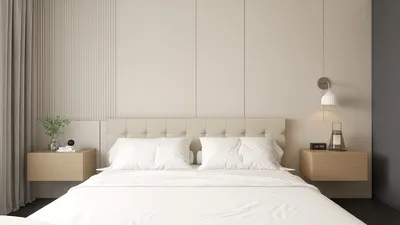


Over the past ten years, I have designed countless living rooms, and my go-to option for achieving a tranquil atmosphere has always been green curtains. When executed properly, they not only soften natural light but also harmonize various finishes and enhance the overall ambiance of the space, steering it towards a restful vibe. The key lies in selecting the right shade of green, fabric weight, appropriate lining, and suitable hardware to ensure the decor feels intentional rather than themed. For those utilizing interior design tools like Homestyler, visualizing these elements becomes much easier.
Research in color psychology consistently connects green to sensations of equilibrium and restoration, largely due to its connection with nature. According to Verywell Mind, green is commonly viewed as soothing, effectively aiding in stress reduction, particularly within home environments. From a performance perspective, WELL v2 advises managing glare and brightness levels to promote visual comfort; curtains contribute significantly by moderating the contrast between windows and interior spaces, thus alleviating eye strain during prolonged periods.
The quality of daylight is more crucial than one might think. The Illuminating Engineering Society suggests targeting illuminance levels in living areas between 50–300 lux, depending on the tasks at hand, while maintaining controlled glare and balanced light distribution. Sheer or semi-sheer green fabrics have the ability to moderate intense midday brightness, allowing views to remain unobstructed while ensuring daylight autonomy. For evening ambiance, layering green curtains with blackout linings helps maintain consistent light levels and prevents disruptions to circadian rhythms.
Choosing the Perfect Shade of Green
Not every shade of green conveys the same effect in a living space. Softer hues such as sage and eucalyptus blend seamlessly with warmer oak, linen, and clay finishes, reducing visual contrast and creating a calming palette. In contrast, deeper shades like emerald and forest green add sophistication, particularly against cool grays, black metals, or walnut tones. If your walls exude a cooler undertone, opt for blue-green; conversely, for warm undertones, olive or moss works best. I take note of how color swatches interact with natural light throughout the day—morning light can cool a green significantly, whereas late afternoon can warm it.
Fabric, Lining, and Light Management
The weight of the fabric significantly affects how green appears. Sheer materials filter daylight while retaining views and color softness; they are ideal in living rooms with existing balanced ambient light. Semi-sheer or textured linen fabrics impart a subtle, natural touch, gently reducing brightness and glare. Richer options, like velvet or dense cotton, enhance color intensity and create a more refined appearance. Utilizing a privacy or blackout lining allows for precise control over evening light levels, aligning with WELL v2 recommendations for glare management and circadian rhythm support.
Enhancing Acoustic Comfort with Textiles
In living spaces with hard flooring and expansive glass surfaces, sound can echo significantly. Heavier drapery can absorb mid-high frequencies and extend conversation clarity by minimizing reverberation time. For open-concept designs, I favor double-width panels and opt for ceiling-mounted tracks to maximize coverage, thereby reducing echo without the need for bulky acoustic installations.
Proportion, Fullness, and Visual Harmony
Proportion is essential in designing window treatments. I typically recommend fabric fullness of 2–2.5 times the rod width to achieve soft, consistent folds and avoid a meager appearance that detracts from a luxurious finish. Hanging green curtains higher—in the range of 2–4 inches below the ceiling or crown—creates the illusion of taller walls and minimizes visual clutter. A floor-kissing style or a slight 1-inch break lends sophistication; exceeding that can risk a heavy, traditional feel unless styled deliberately.
Hardware and Heading Design
Matte black or bronze hardware anchors deeper shades of green, while brushed nickel complements blue-green and cooler interiors nicely. For headings, pinch pleats create a refined look, perfect for formal settings. Ripplefold tracks maintain a sleek, modern appearance, particularly in minimalist environments. If your window spans multiple panels, opting for a continuous track mitigates light gaps and delivers a cohesive aesthetic across the facade.
Patterns vs. Solids: When to Add Textural Movement
Solid colors tend to promise longevity in decor choices. If your living room features pattern in rugs or artwork, solid green curtains serve as a tranquil counterbalance. When considering patterns, select small-scale botanicals or subtle jacquards within a tonal scheme; they lend depth while avoiding overwhelming the space. I advise staying away from high-contrast prints at the windows, as they may increase glare and divert attention from the room's focal points.
Sustainability and Material Choices
Opt for fabrics like linen, TENCEL blends, or OEKO-TEX certified materials to minimize chemical exposure and enhance indoor air quality. Recycled polyester with a soft finish offers durability and color retention for sunlit areas. It’s best to steer clear of overly shiny fabrics that can disrupt brightness balance near windows.
Aligning with Living Room Configuration
Green curtains should enhance spatial flow and focus points. If your seating is oriented towards the windows, aim for soft vertical lines and a color value that stabilizes the horizon rather than competing with it. In corner-window designs, wrap the hardware around the corner for a seamless transition, or split panels to maintain the view corridor. For intricate layouts or asymmetrical windows, utilizing a room layout tool like Homestyler can help visualize panel arrangements, clearances, and light pathways before finalizing your decisions.
Coordinating with Palette, Flooring, and Furnishings
Green interacts dynamically with surrounding finishes. On light oak or hickory floors, sage hues feel uplifting; against dark walnut, forest green provides balance. Warm undertones in paints (like taupe or greige) coordinate with olive, while cooler walls (such as soft gray or pale blue) favor eucalyptus or blue-green. Upholstery in textured neutrals, like bouclé, chenille, or wool blends, ensures a timeless and tactile palette.
Layering Shades and Lighting
For west-facing spaces, blending control measures is key: employ green curtains alongside a 3–5% openness solar shade to mitigate afternoon heat and glare while preserving outside views. Accompany this setup with 2700–3000K ambient light fixtures and 3000–3500K task lighting to maintain a warm atmosphere during the evening. Dim-to-warm lamps help ease the transition between color temperatures, contributing to a cohesive mood.
Important Installation Considerations
Ensure measurements extend beyond the window frame—adding 6–10 inches on each side helps to minimize light leaks and gives the illusion of larger windows. If stacking space is limited, contemplate one-way draw curtains or split stacks that align with furniture positioning. Always verify wall material and use suitable anchors; nothing undermines the aesthetic more than sagging installations.
Maintenance and Durability
Over time, sunlight gradually fades greens. To maintain uniformity, rotate panels annually to distribute exposure evenly and choose UV-stable dyes whenever possible. Vacuum curtains monthly with a soft brush, and steam clean periodically to relieve creases without compromising texture. Replace linings before the outer fabric shows signs of wear to keep the drape looking pristine.
Design Scenarios
- In a compact living room with lower ceilings: position curtains high, select lighter sage in semi-sheer linen, and use minimal hardware to create an illusion of height.
- For a formal lounge: opt for deep emerald velvet with double pinch-pleat headings, bronze hardware, and blackout linings for dramatic nighttime effects and acoustic enhancement.
- In a sun-drenched modern space: choose eucalyptus-toned recycled polyester with a solar shade in the background, ripplefold tracks, and balanced 3000K lighting for evening relaxation.
Further Reading and References
The documented psychological benefits of green can be explored through various resources discussing color and mood. Additionally, guidelines on visual comfort are outlined in healthy building standards. For further exploration, consider delving into perspectives on color psychology and frameworks for building performance, both of which provide valuable insights into translating aesthetic choices into comfort outcomes.
Key resources include overviews on color psychology and WELL v2 performance standards.
Frequently Asked Questions
Q1. What shade of green is best suited for a small living room?
A lighter sage or eucalyptus promotes high reflectance, making the space feel larger. Combine with semi-sheer fabrics to sustain recommended daylight levels.
Q2. How do green curtains influence mood?
Green is linked to feelings of restoration and equilibrium, supported by color psychology; it helps to alleviate visual tension and fosters a peaceful interpretation of space, particularly when paired with natural textures.
Q3. What is the ideal fabric weight?
Using sheer or semi-sheer fabrics allows for effective daylight modulation without sacrificing views; medium-weight linen provides an organic feel, while velvet or tightly woven materials offer deeper color and enhanced sound absorption.
Q4. How can glare be controlled without dimming the room?
Incorporate semi-sheer green curtains with a solar shade positioned behind (3–5% openness). This setup reduces window glare while preserving daylight and outside visibility.
Q5. Is blackout lining necessary?
In urban environments or west-facing rooms, blackout linings help stabilize nighttime luminance and block out external light. For softer ambient evenings, a privacy lining may suffice.
Q6. Which hardware finish complements green best?
Matte black or bronze finishes complement deep shades of green, whereas brushed nickel aligns well with cooler blue-green tones. Maintaining simple profiles avoids competing with the color itself.
Q7. How much fullness should I consider?
Aim for fabric fullness of 2–2.5 times the rod width to ensure nice waves and premium draping. Insufficient fullness creates flat panels and heightens perceived glare.
Q8. Can green curtains enhance acoustics?
Absolutely. Heavier fabric options increase sound absorption, thereby decreasing reverberation time and enhancing speech clarity in living areas with hard surfaces.
Q9. Are patterned green curtains advisable?
It's wise to choose small-scale, tonal patterns for added depth, and to avoid stark prints near windows if glare is already an issue.
Q10. How should I coordinate green curtains with existing finishes?
Warm wall tones pair beautifully with olive or moss greens; for cooler walls, blue-green shades are preferable. Light wood floors lean towards sage, while dark woods complement forest or emerald tones.
Q11. What about sustainability in choice of materials?
Select linen, TENCEL blends, recycled polyester, and OEKO-TEX certified textiles. Avoid high-gloss materials that can increase reflection and visual strain.
Q12. Any installation advice to reduce light leaks?
Extend the coverage area by 6–10 inches outside the frame on both sides, mount curtains high, and utilize continuous tracks in wider window setups to eliminate light gaps.


Homestyler is your go-to online home design platform that makes creating beautiful spaces effortless. Explore its user-friendly design tool, stunning 3D renderings, inspiring design projects, and helpful video tutorials. Bring your interior design dreams to life easily and creatively—perfect for all skill levels!
今すぐ无料でデザイン
































