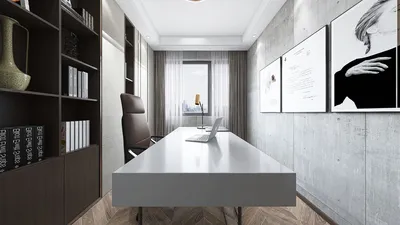


Incorporating texture is one of the fastest methods to enhance the depth and personality of a living room. I have witnessed how spaces evolve dramatically with the application of subtle finishes like plaster, a soft mineral wash, or engaging geometric patterns that beautifully interact with light. This influence extends beyond aesthetics; texture plays a crucial role in controlling reflections, concealing minor imperfections on walls, and providing visual weight to furniture arrangements.
The selection of textures should be guided by the room's usage and the way natural light changes throughout the day. According to WELL v2 standards, it's essential to create visually comfortable environments while managing glare, with suggested lighting levels for living spaces typically between 150 and 300 lux based on various activities. Research by Steelcase also suggests a link between visual comfort, wellbeing, and sustained attention, which aligns with my experience that textured walls effectively diminish harsh reflections and soften transitions.
Understanding Different Textures
Asian Paints provides an extensive variety of textures ranging from understated limewash and brushed effects to more pronounced stucco and combed patterns. I categorize these into three distinct design purposes: calming (low-relief, matte, and softly varied tones), expressive (medium-relief with rhythmic motifs), and statement-making (high-relief with bold geometry). Calmer textures can create a composed atmosphere in smaller living rooms, while expressive patterns balance minimalistic modern furnishings, and textural statements can act as a captivating focal point when a layout requires visual interest.
Scale, Rhythm, and Visual Equilibrium
Scale is essential in design. For smaller living rooms, fine-grain textures (2-4 mm relief) help maintain surface clarity without causing visual clutter. Larger areas can accommodate bolder patterns. I aim for a visual rhythm of 60/30/10: 60% calming textures, 30% medium relief for added interest, and 10% striking textures. This balance ensures coherence in spaces, especially around seating areas and media walls.
The Intersection of Color Psychology and Texture
Texture significantly enhances the principles of color psychology. Warm neutrals like greige and sandy hues in matte finishes evoke feelings of comfort and safety—consistent with Verywell Mind’s insights on color. Feedback from clients concerning family spaces reinforces that warmer tones are inviting, while cooler neutrals with a slight texture (mist, pearl, slate) seem sophisticated, often pairing well with chrome or black details. When introducing intense colors, it’s wise to keep the textures subtle to prevent overwhelming visuals.
Light, Glare Management, and the Ideal Finish
Bright daylight can accentuate heavy textures, so it's crucial to assess the light's orientation first—east and south exposures require careful glare management. Applying a matte or eggshell finish over textured surfaces helps to diffuse light effectively and maintain comfortable luminance. I aim for ambient light levels between 200 and 300 lux, using 2700–3000K for evening warmth and 3500K during the day. Employing dimmable lighting layers, such as cove lights for textures, table lamps for people, and discreet downlights for task areas, adds flexibility while showcasing wall character.
Planning Layouts and Establishing Focal Points
Textures should enhance the room’s focal point hierarchy. If the television takes center stage, I steer clear of bold textures behind it to minimize visual disturbances. For walls featuring art or a fireplace, choosing a mid-relief mineral texture can beautifully frame the area without overshadowing it. When determining seating arrangements and sightlines, using an interior layout planner—like the one from Homestyler—can help assess if a feature wall interferes with movement or storage solutions prior to final decisions.
Creating a Tactile Balance with Materials
It is vital to balance wall textures with other materials, such as sofa fabrics, rugs, and wood grains. For example, bouclé or chenille upholstery pairs well with low-relief textures, while a hand-tufted rug can reflect the wall’s movement without mimicking its pattern. If high-contrast materials like marble are involved, the walls should feature subdued textures to ensure the space remains legible.
Enhancing Acoustic Comfort
Textured walls can slightly enhance sound diffusion and mitigate flutter echo when compared to flat surfaces, but they do not serve as soundproofing solutions. For rooms with hard floors and minimal soft goods, it's beneficial to introduce a thick rug, cushioned seating, and gently draped curtains. This combination, along with textured walls, fosters a more stable acoustic environment, ideal for conversations and media enjoyment.
Prioritizing Ergonomics and Human Interaction
Texture should enhance—not hinder—touchpoints. High-relief finishes should be avoided in areas where individuals frequently brush past, and I recommend smoother textures around switches and door casings to ease maintenance and prevent dirt accumulation.
Emerging Living Room Texture Trends for 2024–2025
Three key trends are emerging: mineral and limewash finishes with subtle movement, soft geometric reliefs that convey a modern yet warm feel, and tone-on-tone layered textures that shift gently in changing light. Clients are attracted to textures that photograph beautifully yet maintain a calming presence—matte, nuanced, and understated.
My Process for Selecting and Testing Textures
I always request large samples and assess them in actual room lighting—testing under natural daylight, evening lamps, and diminished light scenarios. I take note of areas prone to glare and conduct a quick photometric analysis to ensure the wall won’t create hot spots. In family rooms, positioning the feature wall opposite the main seating is vital for maintaining visual comfort.
Notes on Installation and Maintenance
A solid prep process is essential for achieving the best results. This includes priming, skimming, and sanding for a consistent substrate before applying textures according to the manufacturer's instructions. In spaces shared with children or pets, I prefer washable finishes; a low sheen allows for a sophisticated appearance while enabling easier cleaning. Avoid using harsh abrasives—only soft sponges and gentle cleaners should be used.
A Simple Framework for Texture Selection
- Small room with ample daylight: opt for low-relief, matte, warm neutrals.
- Expansive room with various lighting: select medium-relief textures with gentle rhythms and an eggshell finish.
- Space focused on media: use calming textures near screens and expressive textures further away from direct sight.
- Minimalist furnishings: gentle geometric textures can introduce warmth.
- Traditional interiors: consider mineral or brushed textures with coordinating tones.
Frequently Asked Questions
Q1: What texture should I pick for a compact living room?
A1: Choose low-relief, matte textures in warm neutral shades to maintain a serene environment, reduce visual clutter, and look good under ambient lighting of 200-300 lux.
Q2: Do textured walls create glare?
A2: Not necessarily; when properly managing sheen and light direction, matte or eggshell finishes paired with indirect wall lighting are effective. Keeping illuminance around 200-300 lux helps avoid harsh beams focusing on textured areas.
Q3: Which color schemes work best with textured finishes?
A3: Soft warm neutrals provide coziness, while cooler options lend a modern edge. When using vibrant colors, it’s best to pair them with subdued textures to deter visual strain; warmer shades are generally more welcoming according to established color psychology.
Q4: Where should I position the featured textured wall?
A4: It should align with the main focal points. Textured surfaces around fireplaces or artwork are great, while calmer textures work well behind televisions to minimize distraction. Assess sightlines with a design visualization tool such as Homestyler before finalizing placement.
Q5: Are textures beneficial for sound quality?
A5: Yes, they enhance sound diffusion but aren't replacements for soft furnishings. Pair textured walls with rugs, upholstered seating, and curtains to create balanced acoustics.
Q6: What type of lighting complements textured paints?
A6: Effective layered lighting includes soft wall washers to highlight textures, table lamps for direct task illumination, and adjustable ambient lights around 2700-3000K in the evening, extending to 3500K during the day.
Q7: How durable are textured finishes in high-traffic living rooms?
A7: When substrates are adequately prepared and a washable low-sheen topcoat is applied, they are quite durable. It's best to avoid integrating high-relief textures in frequently brushed areas, opting for smoother finishes around switches and corners instead.
Q8: Can textures effectively hide wall flaws?
A8: Absolutely; low to mid-relief textures can disguise minor irregularities more effectively than a flat finish. Ensuring proper priming and skimming is crucial for a smooth base.
Q9: What’s the best way to proceed if I’m uncertain?
A9: Begin with a tranquil field texture and consider adding one feature wall. Sample larger sections under your actual lighting to aid decision-making before full application.
Q10: How do I maintain my textured walls?
A10: Utilize gentle detergents and soft sponges during cleaning. Steer clear of abrasive tools that may damage texture; apply original finishing if any repairs are noticeable after taking care of spots.
For guidance on visual comfort and lighting practices, I often consult WELL v2 Light and IES standards. Steelcase's research offers valuable insights into how visual design impacts user comfort in living environments.
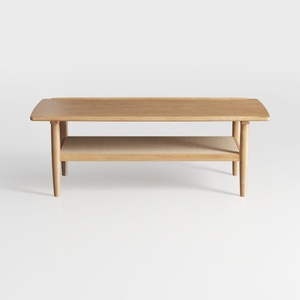
Solid Wood Coffee Table - 42.5” Firwood Farmhouse
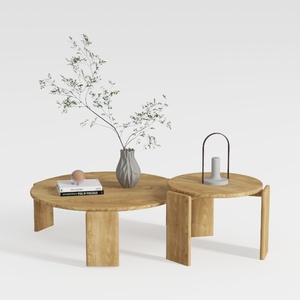
RUSTOWN 2-Piece Round Farmhouse Coffee Table

Fluted 9 Drawers Dresser, 59.1" Wide Modern Chest
Discover the magic of home design with Homestyler! This intuitive online platform features a powerful design tool, stunning 3D renderings, and a wealth of inspiring design projects and video tutorials. Transform your space effortlessly and unleash your creativity—perfect for all skill levels!
Diseño ahora GRATIS
































